
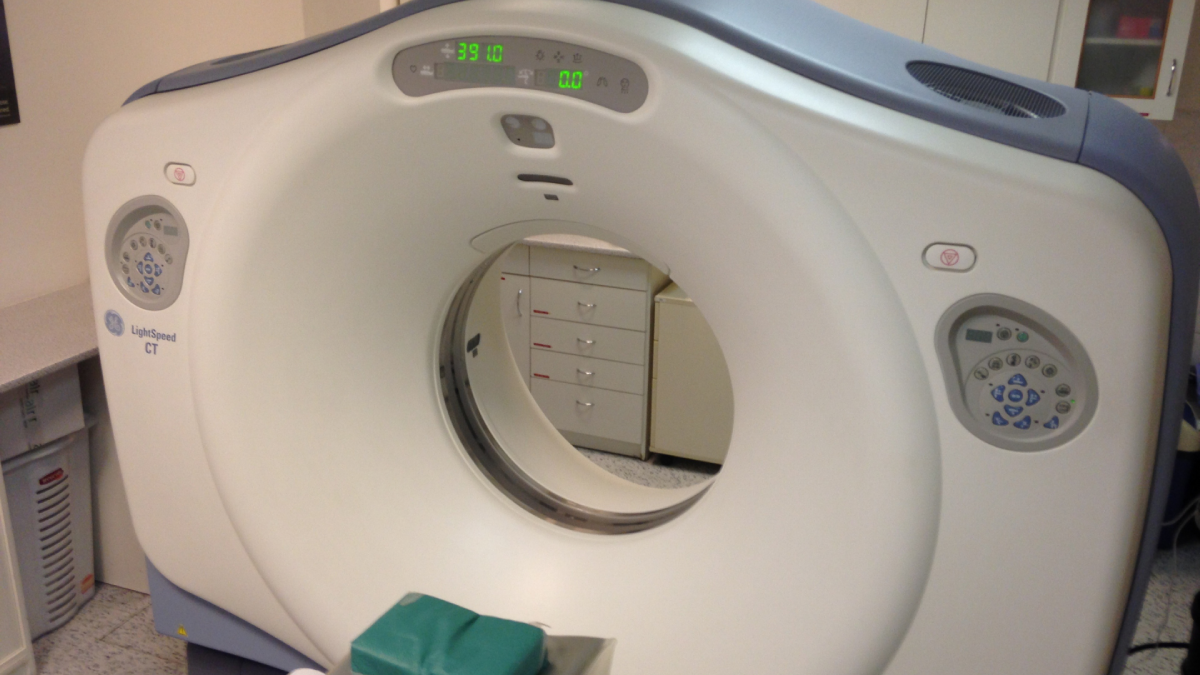
When routine investigations do not provide enough information about a medical condition, doctors may recommend a PET scan for a closer assessment. This imaging test examines how cells use energy, helping identify unusual activity in different parts of the body. It is particularly useful in evaluating certain cancers, heart conditions and neurological disorders.
A PET scan gives doctors functional information that may not be apparent from structural imaging alone. Its findings can help determine whether further investigations are needed, assess disease progression or understand how a patient is responding to treatment.
How Is a PET Scan Performed?
A PET scan (Positron Emission Tomography) is a nuclear medicine investigation that tracks activity within body tissues using a radioactive tracer.
The most commonly used tracer is fluorodeoxyglucose (FDG), a substance similar to glucose. Since active cells use energy, the tracer helps highlight areas where glucose consumption is unusually high or low.
The examination follows these steps:
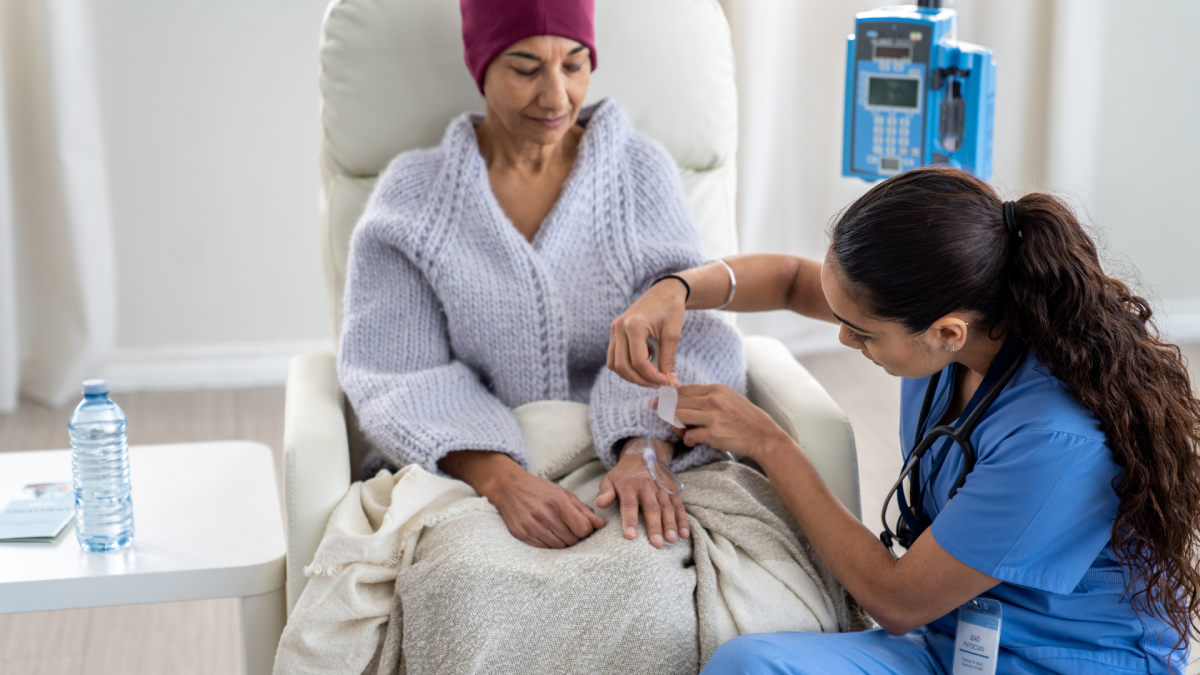
- Tracer administration: The procedure begins with an intravenous dose of the radioactive tracer, usually given through a vein in the patient's arm.
- Tracer uptake: The patient rests while the tracer travels through the bloodstream and reaches different tissues.
- Scanning: The patient lies on a scanning table while images are captured.
- Image assessment: A radiologist studies the images to identify unusual patterns.
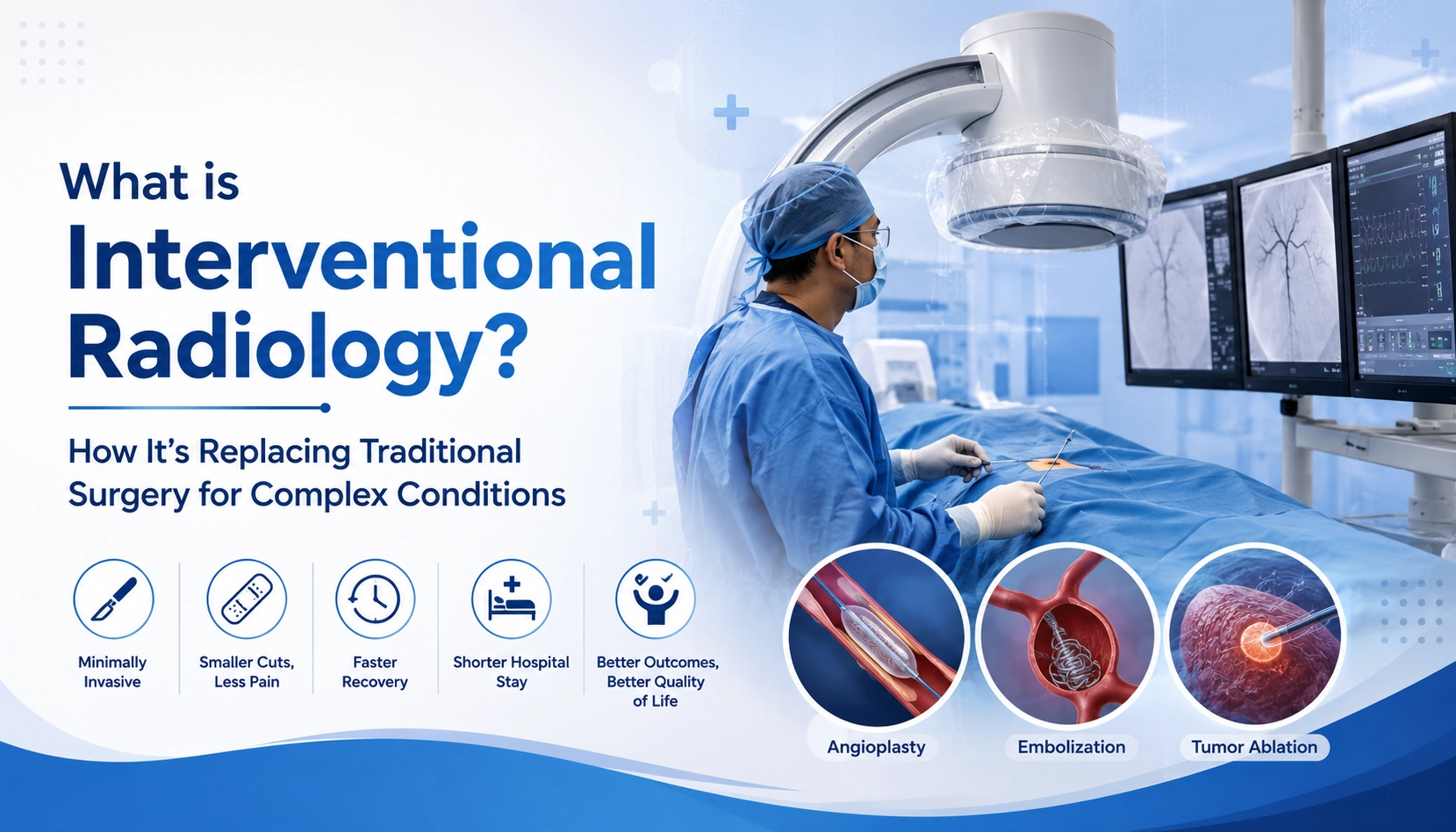
A PET scan is frequently combined with a CT scan. This PET-CT examination helps doctors understand both the location and metabolic activity of an abnormal area.
What Does a PET Scan Detect?
The usefulness of a PET scan depends on the condition being investigated and the tracer selected.
1. Cancer and Its Spread
Cancer cells may consume more glucose than surrounding healthy tissues. This difference in metabolic activity can help doctors identify suspicious areas.
A PET scan may be recommended to:
- Investigate suspected cancer.
- Assess whether certain cancers have spread to other organs.
- Determine the extent of the disease.
- Evaluate response to chemotherapy or other treatments.
- Investigate possible cancer recurrence.
However, increased tracer activity does not automatically confirm cancer. Infections and inflammatory conditions can produce similar findings.
2. Heart-Related Conditions
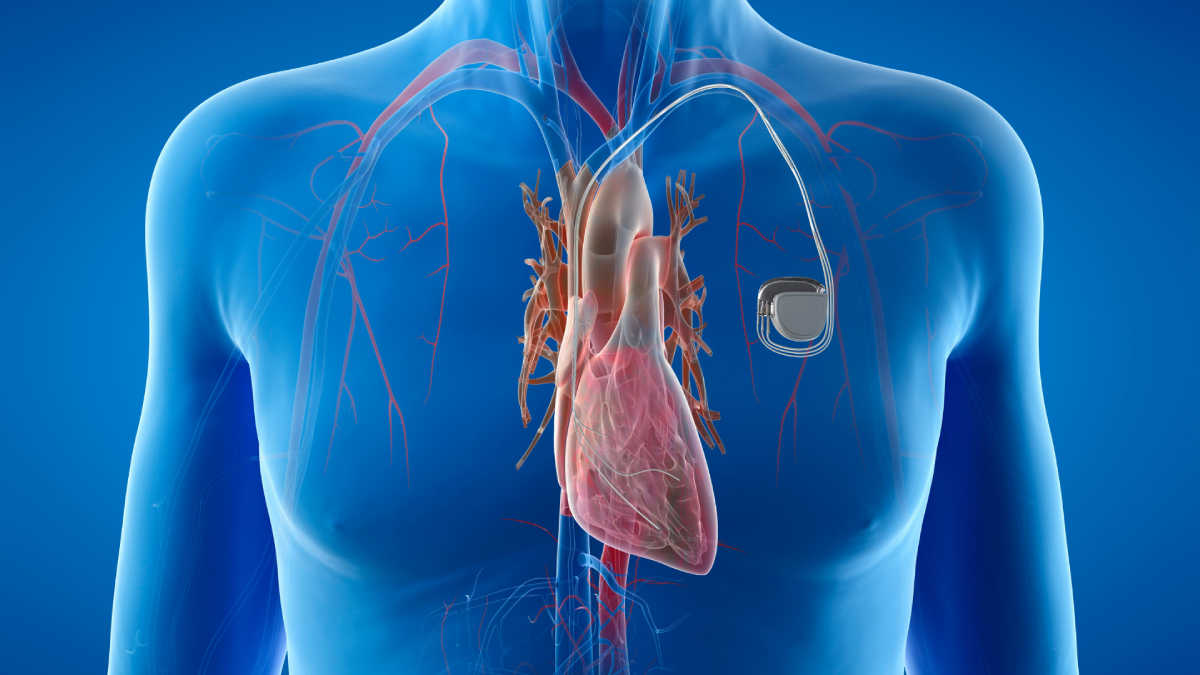
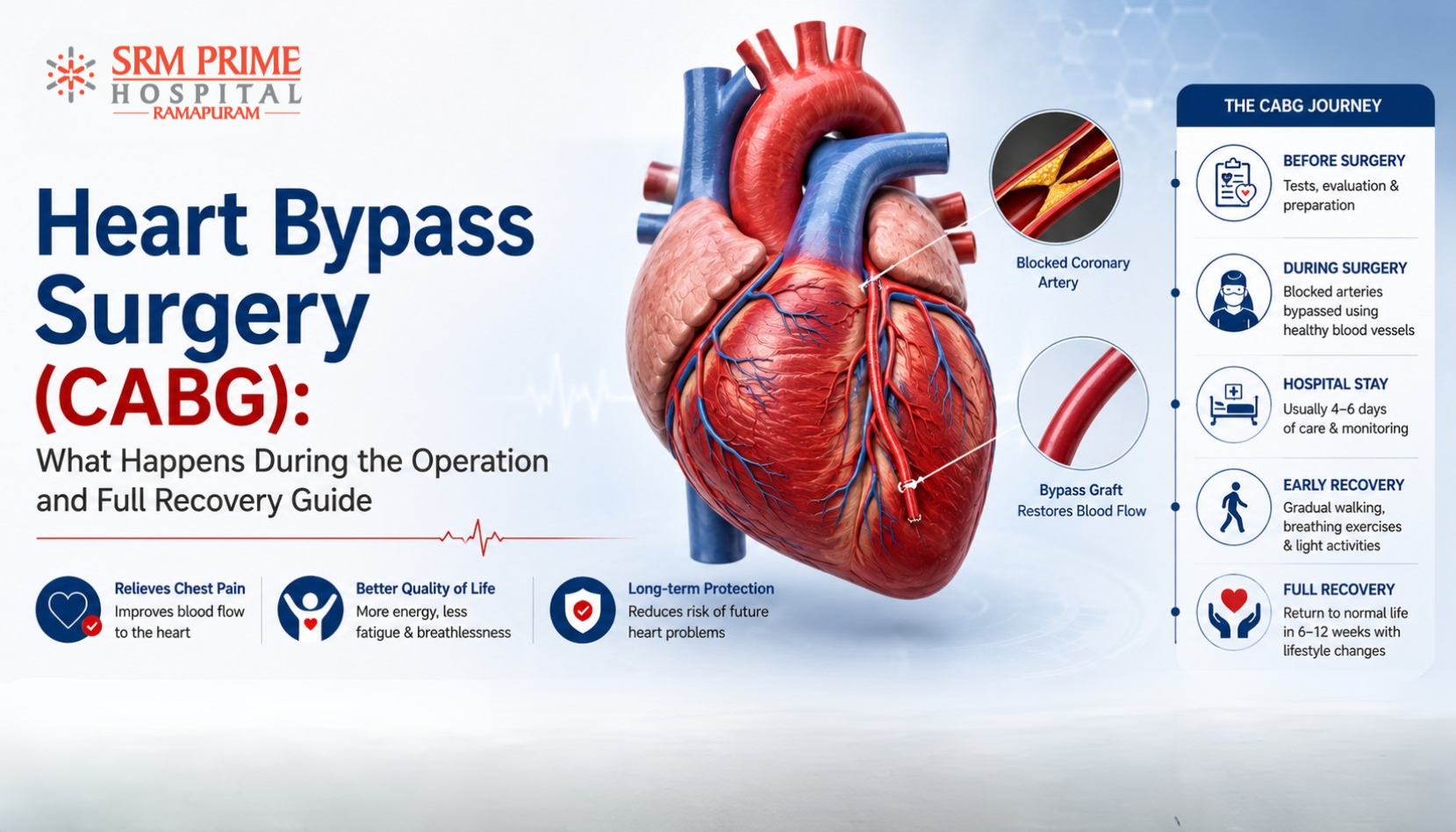
A PET scan can help assess blood supply to the heart and determine whether damaged heart muscle is still viable. This information may assist doctors when evaluating patients with coronary artery disease and certain other cardiac conditions.
3. Brain and Neurological Conditions
Changes in brain metabolism can provide useful information when investigating selected neurological disorders.
A PET scan may help evaluate:
- Alzheimer's disease and certain types of dementia.
- Epilepsy and seizure-related brain activity.
- Selected brain tumours.
- Certain movement disorders.
The findings must be considered alongside clinical symptoms and other investigations.
How to Prepare for a PET Scan
Preparation can influence how the tracer behaves in the body. Patients should follow the instructions provided by the imaging department.
Common precautions include:
- Avoid food for the prescribed fasting period, commonly 4–6 hours.
- Drink plain water as instructed.
- Avoid strenuous exercise before the examination.
- Inform the doctor about diabetes, pregnancy or breastfeeding.
- Discuss existing medications before the appointment.
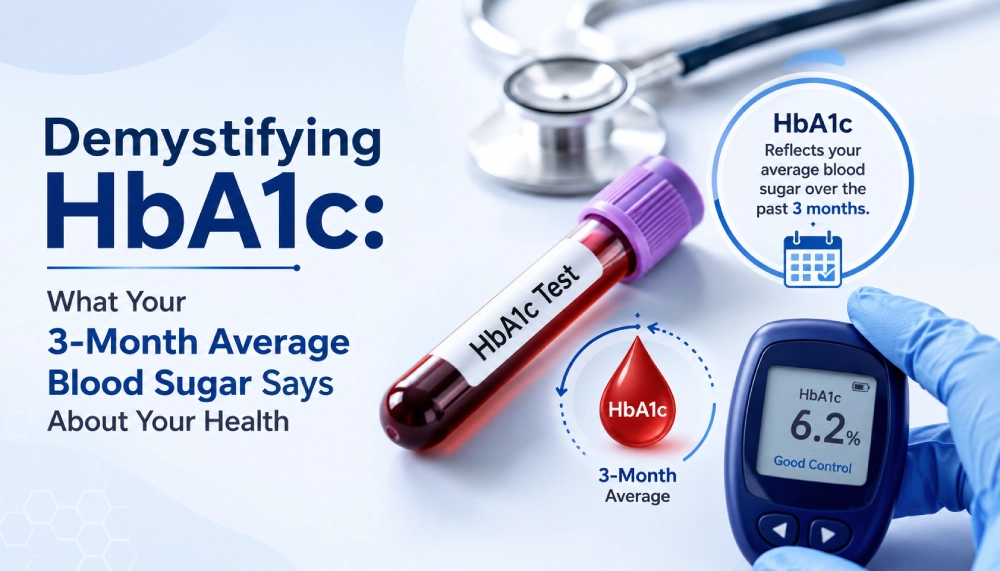
Patients with diabetes may need individualised instructions to manage blood glucose levels before the scan.
What Happens During and After a PET Scan?
After the tracer injection, patients generally wait for 45–60 minutes to allow it to distribute through the body.
During scanning, patients lie still on a movable table while images are recorded. Image acquisition usually takes 30–60 minutes.
Following the examination, most patients can return to their usual routine. Drinking water helps the body eliminate the tracer through urine. Any additional precautions should be followed as advised by the medical team.
Is a PET Scan Safe?
A PET scan is generally safe when recommended for an appropriate medical reason. However, patients should understand the following considerations:
- Radiation exposure: The tracer involves a small radiation dose. PET-CT also includes radiation from the CT examination.
- Pregnancy: Patients who are pregnant or may be pregnant must inform their doctor before the scan.
- Breastfeeding: Specific instructions may be necessary depending on the tracer used.
- Injection-related reactions: Mild discomfort or bruising may occur at the injection site. Allergic reactions are uncommon.
The doctor considers the expected diagnostic benefit before recommending the examination.
Frequently Asked Questions About PET Scans
1. Can a PET scan detect cancer at an early stage?
A PET scan can identify metabolic abnormalities associated with certain cancers. However, it is not suitable for screening every type of cancer, and its ability to detect early disease varies.
2. Does a PET scan confirm cancer?
No. A PET scan identifies unusual metabolic activity but cannot confirm a cancer diagnosis on its own. A biopsy may be required.
3. How long does a PET scan take?
The scanning process usually takes 30–60 minutes. Including preparation and tracer uptake, the hospital visit may take 2–3 hours.
4. Can I eat after a PET scan?
Most patients can eat normally after the examination unless their doctor provides different instructions.
5. Who interprets PET scan results?
A radiologist or nuclear medicine specialist examines the images and prepares the report. The treating doctor explains the findings and recommends further steps if necessary.
Conclusion
A PET scan helps doctors investigate changes in cellular activity that may indicate disease. From cancer assessment to selected cardiac and neurological investigations, it provides information that supports clinical decision-making. Appropriate preparation and expert interpretation are essential for ensuring accurate and reliable results.
At SRM PRIME Hospital, Ramapuram, Chennai, patients can seek medical guidance on diagnostic investigations and understand which imaging procedure is appropriate for their clinical needs.