

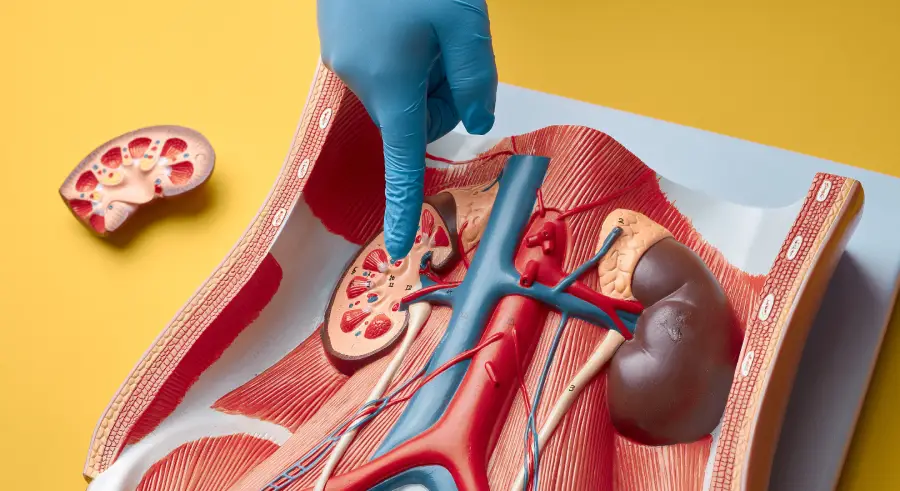
The kidneys work quietly in the background, filtering waste and excess fluid from the blood. When kidney function gradually declines, the changes may not be obvious at first. This is why understanding kidney disease symptoms matters, especially for people with diabetes, high blood pressure, heart disease, or a family history of kidney problems. Chronic kidney disease (CKD) often develops slowly, and many people have no noticeable symptoms during its early stages.
Why Early Kidney Disease Can Be Difficult to Notice
One of the biggest challenges with Chronic kidney disease (CKD) is that the kidneys can lose function without causing clear warning signs. A person may feel completely well while kidney damage is developing.
For this reason, waiting for symptoms is not a reliable way to detect kidney disease. Blood and urine tests can identify changes in kidney function and protein leakage even when a person feels normal.
Diabetes and high blood pressure are among the most important risk factors. Heart disease and a family history of kidney failure can also increase risk.
Common Kidney Disease Symptoms to Watch For
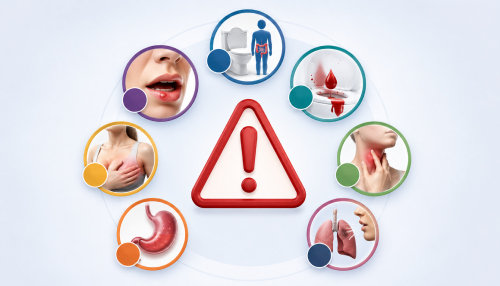
As Chronic kidney disease (CKD) progresses, symptoms may become easier to notice. However, these signs can also occur with many other health conditions, so they should not be used to diagnose kidney disease on their own.
1. Swelling in the Legs, Feet or Ankles
Kidney problems can affect the body's ability to remove excess salt and fluid. This may cause swelling, particularly around the ankles, feet or legs. Swelling can also occur in the hands or face in some cases.
2. Changes in Urination
A noticeable change in how often you urinate may be worth discussing with a doctor. Some people may urinate more often, including at night, while others may experience reduced urine output as kidney disease becomes more advanced.
3. Foamy Urine
Foamy or unusually bubbly urine can sometimes indicate excess protein in the urine. Protein leakage may occur when the kidney's filtering structures are damaged. A urine test is needed to determine whether albumin or other proteins are present.
4. Unusual Tiredness
Reduced kidney function can be associated with tiredness, weakness and sleep difficulties. These symptoms are not specific to CKD, but unexplained or ongoing fatigue deserves medical attention when combined with other warning signs.
5. Nausea, Poor Appetite or Weight Loss
With more advanced kidney disease, waste products can accumulate in the blood. This may contribute to nausea, vomiting, reduced appetite and unintended weight loss.
6. Itching, Dry Skin or Muscle Cramps
Advanced CKD may cause itching, dry or darkened skin, muscle cramps or numbness. These symptoms can develop as kidney function becomes significantly impaired.
7. Breathlessness or Chest Discomfort
Shortness of breath and chest discomfort can occur in advanced kidney disease and may be related to fluid buildup or other complications. These symptoms should never be ignored, particularly when they are sudden or severe.
When Should You See a Doctor?
A medical evaluation is particularly important if you notice changes such as:
- New or worsening swelling
- Repeatedly foamy urine
- Significant changes in urination
- Blood in the urine
- Unexplained tiredness or weight loss
- Nausea combined with other kidney-related symptoms
- Shortness of breath or chest discomfort
- High blood pressure that is difficult to control
People with diabetes, high blood pressure, heart disease, or a family history of kidney failure should discuss regular kidney testing with their healthcare provider, even when they have no symptoms.
How Is Chronic Kidney Disease Detected?
Doctors generally use blood and urine testing to assess kidney health. A blood test can measure creatinine and help estimate the glomerular filtration rate (GFR), which indicates how well the kidneys are filtering blood.
A urine test can check for albumin, a protein that may appear in the urine when the kidney's filtering system is damaged. The urine albumin-to-creatinine ratio (UACR) is one commonly used measurement.
Depending on the findings, medical evaluation may also include blood pressure measurement, medical history, medication review and other investigations.
What Can Help Protect Kidney Function?
Early detection gives doctors an opportunity to identify the cause and manage factors that may contribute to further kidney damage. Management may include:
- Keeping blood pressure under control
- Managing blood glucose when diabetes is present
- Taking prescribed medicines correctly
- Following an appropriate eating plan
- Maintaining a healthy weight
- Staying physically active as advised
- Avoiding smoking
- Discussing potentially kidney-harming medicines with a healthcare professional
The right approach depends on the individual's kidney function, underlying condition and overall health.
Frequently Asked Questions
Can kidney disease have no symptoms?
Yes. Early CKD often causes no noticeable symptoms. Testing may be the only way to identify kidney disease during its earlier stages.
Is foamy urine always a sign of kidney disease?
No. Foamy urine can have several causes. However, repeated or unexplained foamy urine should be discussed with a doctor, who may recommend urine testing for protein or albumin.
Who should get tested for kidney disease?
People with diabetes, high blood pressure, heart disease or a family history of kidney failure are at increased risk and should discuss appropriate kidney testing with their healthcare provider.
Can chronic kidney disease be prevented or slowed?
Some causes of CKD can be prevented or managed. Controlling blood pressure and blood glucose, following medical advice and addressing underlying health conditions can help protect kidney function and may slow further damage.
Conclusion
Recognising kidney disease symptoms is important, but the absence of symptoms does not necessarily mean the kidneys are healthy. Chronic kidney disease (CKD) can develop quietly, making timely screening especially important for people with known risk factors. Swelling, urine changes, unexplained fatigue, appetite changes and other warning signs should be discussed with a qualified doctor rather than ignored.
At SRM Prime Hospital, patients can seek medical evaluation for kidney-related concerns, appropriate investigations and specialist guidance based on their individual health needs. Early assessment can help identify kidney problems sooner and support appropriate management.



















-vs-ESWL-Which-Procedure-is-Right-for-You.webp)










.webp)
.webp)

.webp)
+(1).webp)
.webp)