
Vertigo creates a misleading sense of movement, even when the body remains stationary. The sensation may last only a few seconds or continue for several hours, depending on the underlying condition. Understanding vertigo causes helps distinguish temporary balance disturbances from medical conditions requiring further investigation. Although inner ear disorders are responsible for many cases, certain neurological conditions can produce similar symptoms. Recognising the differences helps patients seek appropriate care.
How Does Vertigo Differ from General Dizziness?
Vertigo produces a false impression that the body or surrounding environment is rotating. This sensation may affect posture, coordination and the ability to remain steady.
General dizziness, however, usually involves light-headedness, faintness or instability without a distinct spinning sensation.
The difference lies in how the brain processes balance information. Vertigo develops when signals from the inner ear, eyes and sensory nerves do not match, affecting the body's perception of movement.
What Are the Most Common Vertigo Causes?
Several conditions can disrupt normal balance signals. Identifying common vertigo causes allows doctors to determine whether the condition is linked to an inner ear disorder or a problem affecting the nervous system.
1. Benign Paroxysmal Positional Vertigo (BPPV)
BPPV develops when tiny calcium crystals become displaced within the inner ear. Specific head movements can trigger sudden spinning sensations lasting less than a minute.
2. Vestibular Neuritis
Inflammation of the vestibular nerve affects communication between the inner ear and brain. Patients may experience prolonged vertigo, nausea and considerable difficulty maintaining balance.
3. Ménière's Disease
This inner ear disorder may produce repeated vertigo episodes alongside hearing fluctuations, tinnitus and pressure within the affected ear.
4. Vestibular Migraine
Vestibular migraine is among the recognised vertigo causes associated with neurological activity. Dizziness may occur with sensitivity to light or sound, even without a headache.
5. Central Nervous System Disorders
Conditions involving the brainstem or cerebellum, including stroke and certain neurological diseases, can interfere with balance processing.
What Symptoms Can Occur Alongside Vertigo?
Symptoms differ according to the condition affecting the balance system.
Common symptoms include:
- A spinning sensation despite remaining still
- Nausea or vomiting during episodes
- Difficulty maintaining balance
- Blurred vision or involuntary eye movements
- Discomfort triggered by head movements
- Hearing changes or ringing in the ears
Since several vertigo causes produce overlapping symptoms, doctors also consider episode duration, triggers and associated neurological findings.
When Should Vertigo Be Evaluated by a Neurologist?
Not every vertigo episode requires neurological treatment. However, persistent or unexplained symptoms may indicate a condition beyond the inner ear.
A neurological consultation may be necessary when:
- Episodes recur without an identifiable trigger.
- Dizziness occurs alongside migraine symptoms.
- Balance difficulties continue despite initial treatment.
- Symptoms suggest abnormal nervous system function.
- Previous treatment provides limited improvement.
Identifying vertigo causes becomes particularly important when standard inner ear treatments fail to resolve symptoms.
Which Warning Signs Require Immediate Medical Attention?
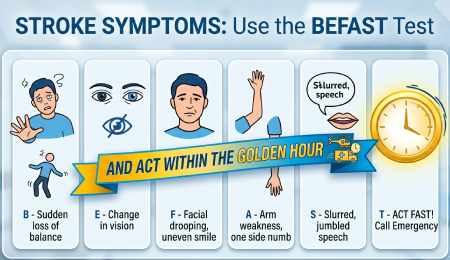
Sudden vertigo accompanied by slurred speech, double vision, facial weakness, severe headache or weakness in the arms or legs requires emergency assessment.
An unexpected inability to stand or maintain balance may also indicate a serious neurological condition, including stroke.
Such symptoms should never be delayed until a routine consultation.
How Do Doctors Diagnose Vertigo Causes?
Diagnosis begins with reviewing symptom patterns, medical history and neurological findings.
Depending on the suspected vertigo causes, doctors may recommend:
- Clinical examination: Assessing balance, coordination and eye movements.
- Dix–Hallpike test: Checking for positional vertigo linked to BPPV.
- Hearing assessment: Identifying possible inner ear disorders.
- Neurological evaluation: Examining nerve function and coordination.
- MRI scan: Investigating suspected brain-related conditions when clinically appropriate.
Not every patient requires imaging. The examination determines which investigations are necessary.
What Treatments Are Available for Vertigo?
Treatment varies because different vertigo causes require different approaches.
Canalith Repositioning Manoeuvres
The Epley manoeuvre may help patients with BPPV by guiding displaced inner ear crystals into a position where they no longer trigger symptoms.
Medicines
Short-term medicines may relieve severe nausea. Patients with vestibular migraine may require medicines to prevent or manage migraine episodes.
Vestibular Rehabilitation
Specialised exercises support balance recovery by helping the brain adapt to changes in vestibular signals.
Neurological Management
If vertigo causes involve the brain or nervous system, treatment targets the identified condition rather than dizziness alone.
Frequently Asked Questions About Vertigo
1. Can vertigo resolve naturally?
Some episodes improve without specific treatment, depending on the underlying condition. Recurring symptoms should still be assessed.
2. Can vertigo occur without hearing problems?
Yes. BPPV, vestibular migraine and several neurological conditions may cause vertigo without affecting hearing.
3. How long can vertigo symptoms continue?
Episodes may last seconds, hours or days. Their duration often provides useful diagnostic information.
4. Can vertigo indicate a brain disorder?
Yes. While most cases of vertigo are linked to inner ear conditions, certain disorders affecting the brain may also interfere with balance.
5. When is a neurologist consultation necessary?
Neurological assessment is appropriate when vertigo remains unexplained, repeatedly returns or occurs with other neurological symptoms. Sudden stroke-like symptoms require emergency assessment.
Conclusion
Understanding vertigo causes allows patients to recognise when balance disturbances need medical investigation. A detailed medical evaluation helps identify whether vertigo originates from an inner ear problem or a neurological condition that needs specialised care.
At SRM Prime Hospital, Ramapuram, Chennai, patients experiencing recurring dizziness, vertigo or unexplained balance problems can consult a specialist for evaluation and individualised treatment recommendations.