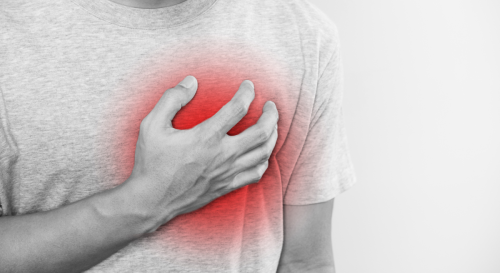

Heart problems can sometimes develop without obvious warning signs, making timely cardiac evaluation important. Non-Invasive Cardiac Procedures allow doctors to examine the heart, assess its function, and identify several cardiovascular conditions without making an incision or inserting instruments into the heart. Common tests include electrocardiograms, echocardiograms, stress tests, cardiac CT, and cardiac MRI.
What Are Non-Invasive Cardiac Procedures?
Non-invasive cardiac procedures are diagnostic tests performed without surgical incisions or instruments being inserted into the heart or blood vessels. Depending on the patient's symptoms and medical history, a cardiologist may recommend one test or a combination of tests to understand:
- Heart rhythm and electrical activity
- Heart muscle structure and movement
- Blood flow through the heart
- Heart valve function
- Blood supply to the heart muscle
- Possible narrowing or blockages in coronary arteries
- Changes caused by previous heart damage
Common Non-Invasive Cardiac Procedures
Electrocardiogram (ECG)
An ECG records the electrical activity of the heart through electrodes placed on the skin. It is quick and painless and can help identify abnormal heart rhythms and certain signs of heart damage.
An ECG may be recommended when a person experiences symptoms such as:
- Chest discomfort
- Palpitations
- Breathlessness
- Dizziness
- Fainting
Echocardiogram
An echocardiogram uses ultrasound waves to create images of the heart. It can show the movement of the heart chambers, heart muscle and valves, as well as blood flow through the heart.
Stress Testing
A stress test evaluates how the heart responds when it has to work harder. Exercise may be used, or medication may be given when exercise is not suitable. Heart rhythm, blood pressure and other findings are monitored during the test.
Cardiac CT and CT Coronary Angiography
Cardiac CT uses X-rays to produce detailed images of the heart. A CT coronary angiogram can provide images of the coronary arteries and may help identify calcium deposits or narrowing.
It can be useful when a doctor needs a clearer view of the coronary arteries without immediately proceeding to invasive coronary angiography.
Cardiac MRI
Cardiac MRI uses magnetic fields and radio waves to produce detailed images of the heart. It can provide information about heart structure, function and certain types of heart damage.
How Do These Procedures Help With Diagnosis?
Non-invasive testing allows cardiologists to build a clearer picture of a patient's cardiovascular health. For example, an ECG may identify an abnormal rhythm, while an echocardiogram can show whether the heart chambers or valves are functioning normally. If coronary artery disease is suspected, stress testing or cardiac CT may provide additional information. Doctors interpret test findings alongside symptoms, medical history, physical examination and risk factors.
Can Heart Problems Be Treated Without Surgery?
Diagnosis and treatment are not the same. Non-invasive procedures are primarily used to diagnose, assess and monitor cardiovascular conditions.
When a condition is identified, treatment may sometimes begin without surgery. Depending on the diagnosis, a cardiologist may recommend:
- Medicines to control blood pressure or cholesterol
- Medicines to manage abnormal heart rhythms
- Treatment aimed at reducing cardiovascular risk
- Lifestyle and dietary changes
- Regular monitoring and follow-up testing
Some patients may eventually require an invasive procedure. Non-invasive testing can help doctors determine when further intervention is appropriate.
When Should You Consider Cardiac Evaluation?
A cardiac assessment may be appropriate when symptoms or risk factors suggest a possible heart problem. Symptoms that deserve medical attention can include chest discomfort, unexplained breathlessness, palpitations, dizziness or fainting.
People with risk factors such as high blood pressure, diabetes, high cholesterol, smoking history or a family history of cardiovascular disease may also require periodic assessment based on their doctor's advice.
Sudden or severe chest pain, especially when accompanied by breathlessness, sweating, nausea or other concerning symptoms, requires urgent medical evaluation.
What Happens After a Non-Invasive Cardiac Test?
Once testing is completed, the cardiologist reviews the findings and considers them in the context of the patient's symptoms and medical history.
The next step may be:
- No additional testing, with routine follow-up.
- Repeat or more specific non-invasive testing.
- Medication or risk-factor management.
- Referral for further cardiac evaluation.
- In selected cases, an invasive procedure for diagnosis or treatment.
This approach helps avoid unnecessary procedures while ensuring that significant heart disease is investigated appropriately.
Frequently Asked Questions
Are non-invasive cardiac procedures painful?
Most are painless. An ECG involves electrodes placed on the skin, while a standard echocardiogram uses an ultrasound probe over the chest. Some tests may involve exercise, medication or an intravenous contrast agent depending on the procedure.
How long does a cardiac test take?
The duration depends on the test. A standard ECG is usually very quick, while imaging studies and stress tests can take longer. The healthcare team can explain preparation and expected duration beforehand.
Can non-invasive tests detect blocked arteries?
Some tests can provide information about coronary artery narrowing or reduced blood flow. CT coronary angiography can produce detailed images of coronary arteries, while stress testing can assess how the heart responds to increased demand.
Does an abnormal test always mean heart disease?
Not necessarily. Test results must be interpreted alongside symptoms, medical history and other findings. Additional testing may sometimes be required to clarify an abnormal or inconclusive result.
Are non-invasive tests an alternative to angiography?
Not in every situation. Non-invasive testing can provide important diagnostic information, but invasive coronary angiography may still be needed in selected patients, particularly when significant coronary disease is strongly suspected or treatment may be required.
Conclusion
Non-Invasive Cardiac Procedures have an important role in modern cardiovascular care. From ECG and echocardiography to stress testing, cardiac CT and MRI, these technologies help doctors evaluate heart rhythm, structure, function and blood flow without surgical intervention.
At SRM Prime Hospital, cardiac evaluation can be planned according to the patient's symptoms, medical history and clinical requirements. A timely assessment can help identify potential heart problems and guide the next stage of care. Patients experiencing cardiac symptoms should consult a qualified cardiologist rather than delaying evaluation.

















-vs-ESWL-Which-Procedure-is-Right-for-You.webp)







.webp)
.webp)

.webp)
+(1).webp)
.webp)