


Finding a breast lump can be worrying, but it does not automatically mean cancer. Breast lumps can develop because of several benign conditions, including cysts and fibroadenomas. The first step is to understand what has caused the lump before deciding whether treatment is necessary.
Depending on the examination and imaging results, a doctor may recommend monitoring, a needle biopsy or breast lump removal surgery. A biopsy takes a small tissue sample for examination, while surgical excision removes the entire lump or abnormal area. The right option depends on the characteristics of the lump and the results of the investigations.
How Is a Breast Lump Assessed?
Assessment usually begins with a physical examination. The doctor may ask when the lump was noticed, whether it has changed in size and whether there are other breast symptoms.
Imaging may include an ultrasound or mammogram, depending on the person's age, symptoms and clinical findings.
A breast lump may be:
- A fluid-filled cyst
- A fibroadenoma
- Another benign growth
- An area of abnormal breast tissue
- A suspicious mass
The feel of a lump alone cannot reliably identify its cause. Further assessment may therefore be needed before deciding on treatment.
When Is a Biopsy Needed?
A biopsy may be recommended when examination or imaging identifies an area that cannot confidently be classified as benign.
A core needle biopsy removes a small tissue sample with a needle. The sample is then examined by a pathologist. Local anaesthetic is generally used, making the procedure less invasive than surgical removal.
A biopsy may be considered when:
- Imaging shows an area of concern.
- The lump has unusual characteristics.
- Scan findings are unclear.
- Examination and imaging findings do not match.
- Tissue confirmation is required before treatment.
A needle biopsy can provide useful diagnostic information without removing the complete lump.
What Happens After a Biopsy?
The tissue sample is examined in a laboratory. The result may confirm a benign condition, identify cancer or show an abnormality requiring further assessment.
If the biopsy provides a clear diagnosis, surgery may not be necessary. If the result is uncertain or shows an abnormal change, the specialist may discuss whether complete removal is appropriate.
The biopsy result is considered together with the clinical examination and imaging findings.
When Is Breast Lump Removal Surgery Considered?
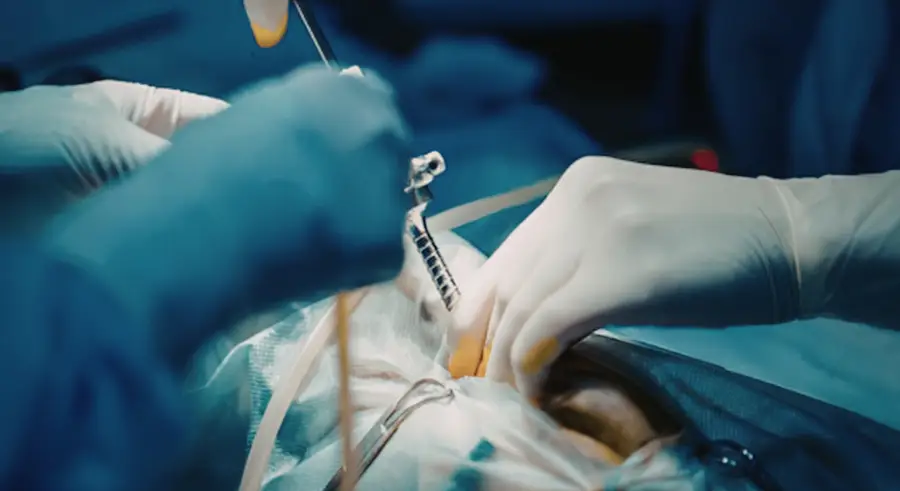
Breast lump removal surgery, also known as an excisional biopsy, involves removing the complete lump or relevant abnormal tissue.
A specialist may recommend this procedure when:
- A needle biopsy does not provide a definite diagnosis.
- The tissue shows atypical or uncertain changes.
- The lump is increasing in size.
- The lesion causes discomfort or other symptoms.
- Imaging and biopsy findings do not correspond.
- The lesion cannot be adequately assessed through needle sampling.
- Complete removal is considered appropriate.
Having the lump surgically removed does not automatically mean that cancer has been diagnosed. In some situations, surgery is recommended because the available tests cannot provide enough information for a firm diagnosis.
Biopsy vs Surgical Excision
Both procedures have a role, but they are not the same.
Needle Biopsy
A needle biopsy:
- Removes a small tissue sample.
- Usually uses local anaesthetic.
- Does not remove the entire lump.
- Is less invasive.
- Generally involves limited recovery.
Surgical Excision
Surgical excision:
- Removes the entire lump or abnormal area.
- Allows the complete lesion to be examined.
- Requires a surgical incision.
- May involve local or general anaesthesia.
- Usually requires more recovery than a needle biopsy.
A biopsy mainly helps determine what the tissue is. Surgical excision can provide the same diagnostic information while removing the lesion.
Does Every Breast Lump Need Removal?
No. Many breast lumps are benign and can be monitored without an operation.
For example, some fibroadenomas can be observed when their clinical and imaging features are reassuring. Certain cysts may also need no treatment unless they cause symptoms or have concerning characteristics.
Removal may be considered when a lump changes, becomes troublesome or remains uncertain after previous investigations. The decision should be based on the diagnosis and the individual's circumstances rather than the presence of a lump alone.
When Should You Seek Medical Assessment?
A new or unexplained breast change should be assessed by a healthcare professional. Along with a lump, changes may include:
- Thickening in the breast
- A change in breast size or shape
- Skin puckering or dimpling
- A newly inverted nipple
- Unusual nipple discharge
- A lump in the armpit
These signs do not necessarily indicate cancer, but timely assessment can help determine their cause and whether further testing or treatment is needed.
How Is the Treatment Decision Made?
The choice between observation, biopsy and breast lump removal surgery depends on several factors.
The specialist may consider:
- The person's symptoms and medical history.
- Findings from the breast examination.
- Ultrasound or mammogram results.
- Previous biopsy findings.
- The size and characteristics of the lump.
- Whether clinical, imaging and pathology results agree.
- Whether removing the entire lesion would provide diagnostic or treatment benefit.
This approach helps reduce unnecessary procedures while ensuring that suspicious or uncertain breast changes receive appropriate attention.
Frequently Asked Questions
Can a breast lump disappear without treatment?
Some breast changes can vary with hormonal changes. However, a new lump should still be assessed rather than assumed to be harmless.
Is a core biopsy painful?
Local anaesthetic is normally used. Some pressure, mild discomfort or bruising may occur during or after the procedure.
Does every breast lump require surgery?
No. If investigations confirm that the lump is benign and there is no medical reason for removal, monitoring may be suitable.
Can a biopsy prevent the need for surgery?
Yes. If the biopsy provides a clear diagnosis that agrees with the imaging and examination, further surgery may not be required.
Does breast lump removal surgery mean cancer is present?
No. Surgical removal may be recommended when a lump is uncertain, atypical or cannot be adequately diagnosed through a needle biopsy.
Conclusion
A breast lump does not automatically require breast lump removal surgery. In many cases, clinical examination, imaging and needle biopsy can establish the diagnosis without removing the entire lump.
Surgical excision may be appropriate when a lump remains difficult to diagnose, shows atypical features, changes over time or requires complete removal. The decision should be based on the clinical findings, imaging and pathology results.
At SRM Prime Hospital, patients can receive appropriate assessment for breast lumps and guidance on whether monitoring, biopsy or breast lump removal surgery is suitable for their individual condition.











-vs-ESWL-Which-Procedure-is-Right-for-You.webp)










.webp)
.webp)

.webp)
+(1).webp)
.webp)