
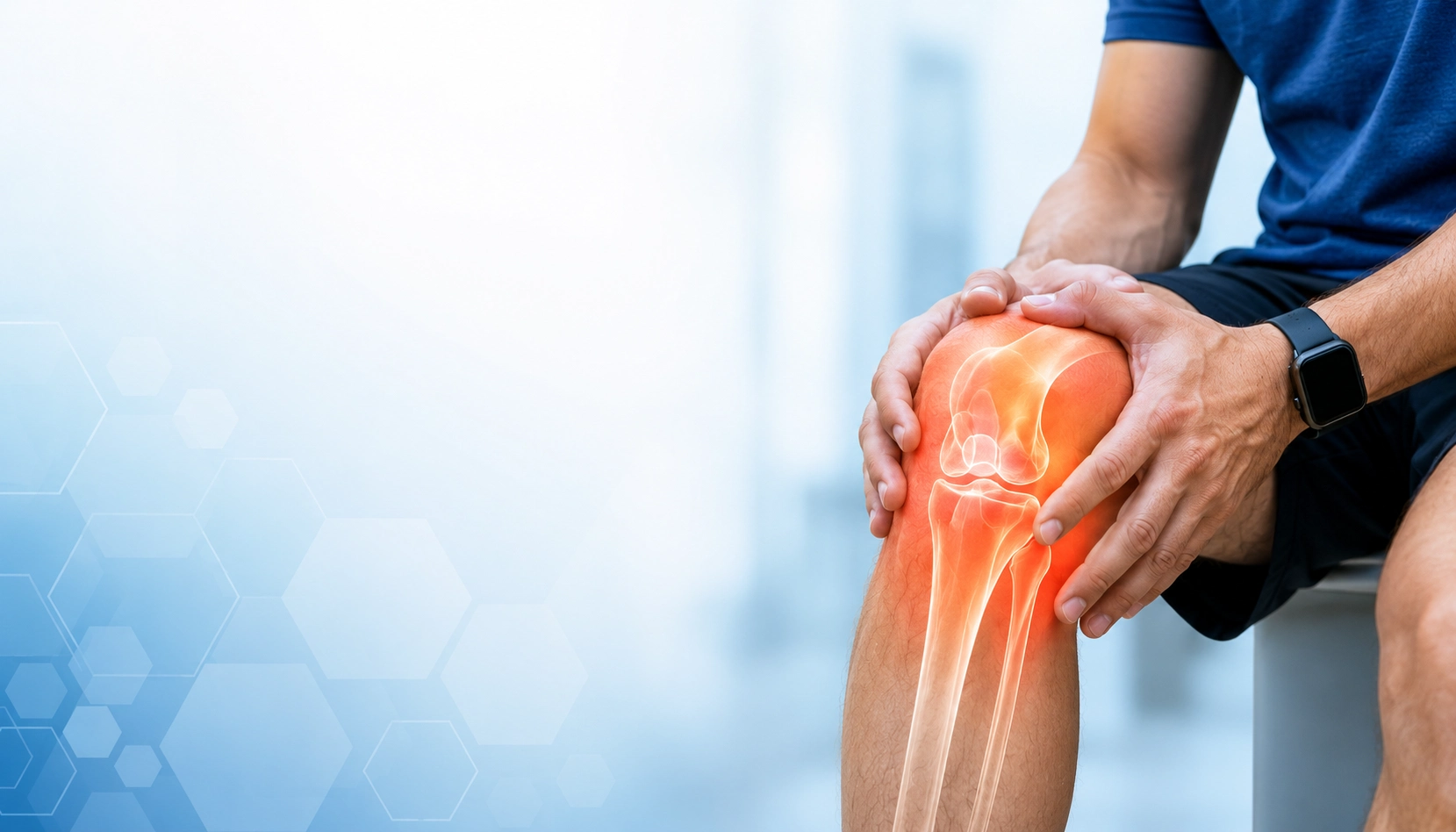
Joint pain is one of the most common complaints among adults over 40 in India — and increasingly in younger people too. From morning stiffness that eases after an hour to severe, disabling pain, joint problems come in many forms with very different causes and treatments. Here is how to understand your joint pain and get the right help.
Key Takeaways
- Arthritis is not a single disease — there are over 100 types with different causes and treatments
- Morning stiffness lasting more than 30 minutes suggests inflammatory arthritis, not osteoarthritis
- Early treatment of rheumatoid arthritis can prevent permanent joint damage
- SRM Prime Hospital offers advanced joint replacement surgery and minimally invasive procedures
Types of Arthritis and Their Key Differences
- Osteoarthritis — wear-and-tear; pain worsens with activity and improves with rest; most common in knee, hip, spine
- Rheumatoid arthritis — autoimmune; symmetrical joint pain (same joint on both sides); morning stiffness >1 hour; affects hands and wrists first
- Gout — sudden, severe pain in one joint (often the big toe); caused by uric acid crystal deposits; often after a rich meal or alcohol
- Psoriatic arthritis — joint pain in people with psoriasis; can affect spine and small joints
- Ankylosing spondylitis — inflammatory arthritis of the spine; back pain and stiffness worse in the morning; common in young men
Common Joint Pain Symptoms
- Pain, swelling, or warmth around a joint
- Stiffness — especially in the morning or after inactivity
- Reduced range of motion
- Cracking, clicking, or grinding sounds (crepitus)
- Muscle weakness around the affected joint
- In inflammatory arthritis: fatigue, low-grade fever, and skin changes
When to Consult a Doctor
- Severe joint pain that interferes with daily activities or sleep
- Joint swelling, redness, or warmth
- Morning stiffness lasting more than 30 minutes
- Pain in multiple joints simultaneously
- Joint pain accompanied by skin rash, eye problems, or fever
Struggling with joint pain? Our orthopaedic and rheumatology specialists at SRM Prime Hospital offer precise diagnosis and personalised treatment — from physiotherapy to joint replacement.
Book an Appointment: srmhospitals.com | Call: 044 3545 3545
Frequently Asked Questions
Is knee replacement surgery safe for Indian patients?
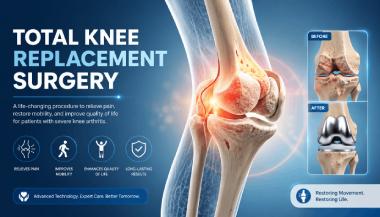
Yes. Knee replacement (total knee arthroplasty) is one of the most successful surgical procedures in modern medicine. At SRM Prime Hospital, we perform advanced knee replacements with rapid recovery protocols — most patients are walking the next day.
At what age does arthritis start?
Osteoarthritis typically starts after 45. Rheumatoid arthritis can start at any age, including in children (juvenile idiopathic arthritis). Gout most commonly affects men aged 30–50.
Can diet affect arthritis?
Yes. An anti-inflammatory diet — rich in omega-3 fatty acids (fish, flaxseed), turmeric, ginger, and colourful vegetables — can reduce inflammation. For gout, reducing red meat, shellfish, alcohol, and sugary drinks is particularly important.
Does cold weather worsen arthritis?
Many arthritis patients report worsening symptoms in cold or wet weather, though the scientific evidence is mixed. Keeping joints warm, staying active indoors, and maintaining a healthy weight help year-round.
What exercises are safe for people with knee arthritis?
Swimming, cycling, walking on flat surfaces, and chair-based exercises are generally safe and beneficial. High-impact activities like running and jumping should be avoided. A physiotherapist can design a personalised programme.







-vs-ESWL-Which-Procedure-is-Right-for-You.webp)



.webp)
.webp)

.webp)
+(1).webp)
.webp)