

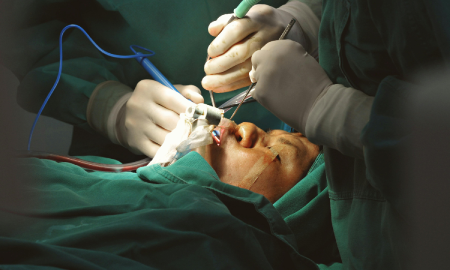
Blocked nose, constant pressure around the eyes, and recurring headaches are not just minor inconveniences they can signal deeper sinus issues. For many patients who do not respond to medication, sinus surgery treatment becomes a reliable option to restore normal breathing and comfort. With the evolution of ENT care, modern procedures are now safer, faster, and far less invasive than traditional methods.
Why Sinus Problems Become Chronic
Sinuses play an important role in filtering air and maintaining respiratory health. When these passages are repeatedly inflamed or blocked, the condition can turn chronic.
Some of the most common triggers include:
- Allergies that cause repeated inflammation
- Untreated infections that keep returning
- Structural abnormalities inside the nose
- Pollution and environmental irritants
Over time, this leads to persistent symptoms such as facial heaviness, nasal blockage, and fatigue. Research indicates that chronic sinusitis affects nearly 1 in 8 adults globally, making it a widespread health concern.
When Doctors Recommend Sinus Surgery Treatment
Medication is usually the first line of treatment. However, when symptoms continue despite proper care, doctors may suggest sinus surgery treatment.
This is typically advised when:
- Symptoms last longer than 10–12 weeks
- There is repeated infection throughout the year
- Nasal growths or polyps obstruct airflow
- Breathing difficulty affects sleep quality
- Imaging shows blocked sinus pathways
The decision is always based on a detailed diagnosis and patient history rather than a one-size-fits-all approach.
Modern Techniques Used in Sinus Surgery Treatment
ENT care has transformed significantly, focusing on precision and patient comfort. Today’s procedures are designed to correct the root cause without major disruption to surrounding tissues.
Endoscopic Sinus Procedure
This technique uses a small camera inserted through the nostrils to access blocked sinuses.
What makes it effective:
- No external cuts
- High accuracy with real-time visualization
- Faster healing compared to older methods
Balloon-Based Sinus Dilation
In this method, a small balloon is used to gently widen blocked sinus openings.
Why patients prefer it:
- Minimal tissue damage
- Short procedure duration
- Quick return to normal routine
Structural Correction (If Needed)
If the nasal structure contributes to sinus blockage, corrective procedures may be performed alongside to improve airflow permanently.
Role of Advanced ENT Care in Better Outcomes
The success of any sinus procedure depends not just on surgery but also on the quality of care provided before and after it.
Advanced ENT setups focus on:
- Accurate diagnosis using high-resolution imaging
- Personalised treatment planning
- Minimally invasive surgical tools
- Continuous follow-up care
Clinical observations suggest that more than 85% of patients report noticeable improvement in breathing and reduction in sinus infections after surgery, especially when treated in advanced care environments.
What Patients Usually Experience
Before the Procedure
- Detailed consultation and examination
- Imaging to identify blocked areas
- Guidance on medications and preparation
After the Procedure
- Temporary congestion or mild discomfort
- Gradual improvement in breathing within days
- Follow-up visits to monitor healing
Most modern procedures allow patients to resume daily activities quickly, depending on the complexity of the case.
Benefits of Choosing the Right Time for Treatment
Delaying treatment often worsens symptoms and affects overall health. Timely intervention through sinus surgery treatment can make a significant difference.
Key benefits include:
- Long-term relief from recurring sinus issues
- Better sleep and improved energy levels
- Reduced need for repeated medications
- Enhanced breathing and comfort
Addressing the issue early also lowers the risk of complications that may affect nearby areas such as the eyes.
Frequently Asked Questions
Is sinus surgery treatment a major procedure?
Most modern sinus surgeries are minimally invasive and do not involve major incisions, making them less complex than traditional surgeries.
How soon can normal activities be resumed?
Many patients return to routine work within a few days, depending on the type of procedure performed.
Will sinus problems come back after surgery?
Surgery addresses the root cause, but long-term results depend on proper care, hygiene, and follow-up.
Is the procedure suitable for all age groups?
Eligibility depends on the patient’s condition and medical history, which is evaluated by an ENT specialist.
Does sinus surgery treatment improve breathing immediately?
Some improvement is noticed within days, but complete relief develops gradually as healing progresses.
Conclusion
Living with chronic sinus discomfort can affect every aspect of daily life, from sleep to productivity. With the advancement of sinus surgery treatment, patients now have access to solutions that are both effective and minimally invasive. The key lies in accurate diagnosis, timely intervention, and expert care.
SRM Prime Hospitals combines modern ENT technology with experienced specialists to deliver comprehensive sinus care, helping patients achieve lasting relief and improved quality of life.












-vs-ESWL-Which-Procedure-is-Right-for-You.webp)






.webp)
.webp)


.webp)
+(1).webp)
.webp)