
Beginning chemotherapy often raises concerns about how treatment might change daily routines. Some patients worry about losing their appetite, while others wonder whether they can continue working or managing household activities. Understanding chemotherapy side effects can help patients prepare for physical changes and recognise when medical attention is necessary.
Chemotherapy involves medicines that kill cancer cells or stop their growth. While these medicines act against cancer, healthy cells can also be affected during treatment. The resulting symptoms vary from patient to patient, and many can be managed with appropriate medical support.
What Happens During Chemotherapy?
Chemotherapy may be given through an intravenous infusion, injection or oral medication, depending on the treatment plan.
Chemotherapy is generally administered in cycles, with breaks between sessions to support physical recovery. Before each cycle, the medical team may check blood counts and assess the patient's overall health.
During chemotherapy, patients may be given medicines to reduce nausea and prevent allergic reactions. The duration of each session depends on the prescribed drugs.
Some patients return home shortly afterwards, while others require longer observation or hospital care.
Why Do Chemotherapy Side Effects Occur?
Chemotherapy affects cells that multiply rapidly. Cancer cells often divide quickly, but certain healthy tissues also contain rapidly dividing cells.
These include cells responsible for producing blood, maintaining the digestive lining and growing hair.
As a result, treatment may temporarily affect several body functions.
The severity of chemotherapy side effects depends on:
- The medicines prescribed and their doses.
- The number and frequency of treatment cycles.
- The patient's age and general health.
- Existing medical conditions.
- Individual responses to cancer treatment.
Experiencing more side effects does not mean chemotherapy is working better.
Common Chemotherapy Side Effects and Ways to Manage Them
1. Fatigue and Reduced Energy
Chemotherapy-related fatigue may continue even after adequate sleep. Patients may experience difficulty carrying out their usual daily tasks due to reduced energy levels.
Management tips:
- Plan demanding activities around periods of higher energy.
- Take short breaks throughout the day.
- Try gentle walking when medically appropriate.
- Inform the doctor if weakness becomes severe or request blood tests for anaemia.
When tiredness continues for an extended period, doctors may recommend blood tests to check for anaemia or other underlying conditions.
2. Nausea and Vomiting
Nausea may begin shortly after treatment or develop over the following days. However, not every chemotherapy medicine causes significant nausea.
Management tips:
- Take prescribed anti-nausea medicines as directed.
- Eat smaller meals instead of large portions and choose easier-to-tolerate foods.
- Drink fluids regularly to maintain hydration.
Patients who cannot retain fluids should contact their medical team.
3. Hair Loss and Scalp Changes
Certain chemotherapy medicines affect hair follicles, causing thinning or hair loss. This may involve scalp hair, eyebrows or eyelashes.
Not all chemotherapy treatments cause hair loss.
Management tips:
- Choose gentle hair-care products and keep the scalp protected from direct sunlight.
- Avoid excessive heat and harsh chemical treatments.
- Discuss suitable head coverings if preferred.
Hair often grows back after treatment, although its texture or colour may change.
4. Mouth Sores and Changes in Taste
Chemotherapy can irritate the tissues inside the mouth. Patients may experience ulcers, dryness or difficulty eating. Patients may notice that familiar foods develop an unusual or unpleasant taste during treatment.
Management tips:
- Clean the mouth gently using a soft toothbrush and choose soft foods.
- Avoid foods that irritate mouth sores.
- Consult the healthcare team to identify an appropriate mouth rinse.
Painful swallowing or difficulty drinking requires medical assessment.
5. Bowel Changes and Appetite Loss
Some patients experience constipation, while others develop diarrhoea. Changes in appetite may also affect their nutritional intake.
Management tips:
- Maintain fluid intake and eat small, nutritious meals throughout the day.
- Discuss persistent bowel changes with the doctor.
- Seek dietary advice if weight loss becomes noticeable.
Patients should avoid taking laxatives or anti-diarrhoeal medicines without medical approval.
6. Increased Infection Risk
Some chemotherapy medicines reduce white blood cell counts, particularly neutrophils, which help defend against infections.
Consequently, infections that are usually mild may become more dangerous during chemotherapy.
Management tips:
- Maintain proper hand hygiene and limit close contact with individuals who are ill.
- Follow food hygiene recommendations and attend scheduled blood tests.
Patients undergoing chemotherapy should seek immediate medical attention if they develop a fever of 38°C or above or experience shaking chills.
7. Tingling or Numbness
Certain chemotherapy drugs can affect nerves, producing tingling, burning sensations or reduced feeling in the hands and feet.
Patients should report tingling or numbness in their hands or feet early to allow medication adjustments.
When Should Patients Seek Immediate Medical Attention?
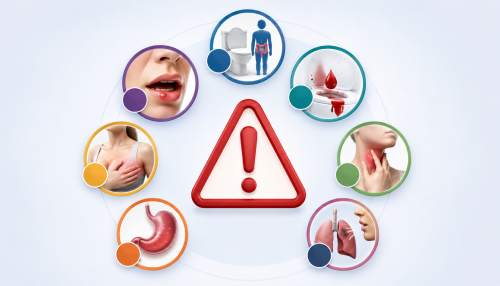
While many chemotherapy side effects can be managed, certain symptoms should never be ignored.
Patients should seek immediate medical care for:
- Fever of 38°C or higher or shaking chills.
- Difficulty breathing or chest pain.
- Unusual bleeding or unexplained bruising.
- Persistent vomiting, severe diarrhoea, or inability to retain fluids.
- Sudden confusion, extreme weakness, or signs of an allergic reaction.
Before using medicines to lower a fever, patients should speak with their cancer care team because these drugs can mask symptoms of an underlying infection.
Frequently Asked Questions
1. How soon do chemotherapy side effects begin?
Some symptoms appear within hours, while others develop several days after treatment. The timing depends on the medicines used.
2. Does every patient lose their hair during chemotherapy?
No. Hair loss depends on the chemotherapy drugs and dosage. Some treatments cause only mild thinning.
3. How long do chemotherapy side effects last?
Several symptoms may ease during the recovery periods between chemotherapy sessions or once the course of treatment is completed. Certain effects, including nerve problems, may continue longer.
4. Can patients work while receiving chemotherapy?
Some patients continue working with adjustments to their schedules. Others need additional rest depending on their symptoms and treatment intensity.
5. Can chemotherapy side effects be prevented?
Not all effects are preventable. However, supportive medicines, nutritional care and regular monitoring can reduce several treatment-related problems.
Conclusion
Chemotherapy affects patients differently, making regular communication with the medical team an important part of treatment. Recognising symptoms early, following prescribed medicines and maintaining adequate nutrition can help patients manage chemotherapy side effects more effectively.
At SRM Prime Hospital, Ramapuram, Chennai, patients can consult specialists to discuss chemotherapy, understand possible treatment-related complications and receive guidance suited to their individual medical needs.