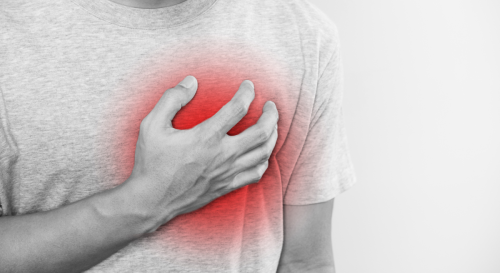

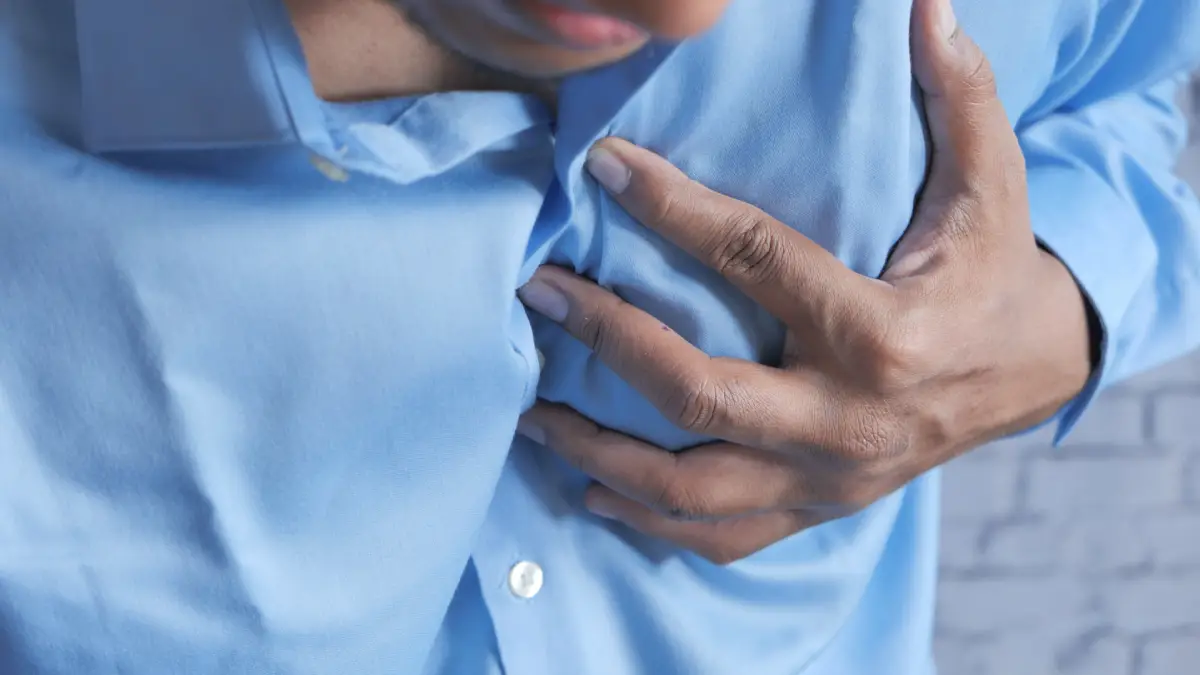
Heart palpitations can feel like the heart is racing, pounding, fluttering, or skipping a beat. They may occur for a few seconds or continue for several minutes. While many heart palpitations causes are related to stress, physical activity, caffeine, or lack of sleep, palpitations can sometimes be linked to an abnormal heart rhythm or another medical condition.
The sensation itself does not always indicate a heart problem. What matters is when it occurs, how long it lasts, how often it happens, and whether other symptoms appear at the same time.
What Are Heart Palpitations?
Heart palpitations are an increased awareness of the heartbeat. A person may notice the heart beating faster, harder, or irregularly. The sensation may be felt in the chest, throat, or neck.
Palpitations can occur while exercising, resting, sitting quietly, or even trying to sleep. Some episodes have an obvious trigger, while others appear without a clear reason.
For many people, occasional palpitations are temporary. However, frequent or unexplained episodes may need medical evaluation.
Common Heart Palpitations Causes
There are several possible heart palpitations causes, ranging from everyday triggers to conditions affecting the heart or other parts of the body.
Stress and Anxiety
Strong emotions can trigger the release of stress hormones, which may increase the heart rate. Anxiety, emotional stress, fear, excitement, or panic may therefore cause noticeable heartbeats.
Caffeine and Other Stimulants
Coffee, tea, energy drinks, nicotine, and some stimulant-containing products can increase heart rate in certain people. Individual sensitivity varies, so even moderate caffeine intake may trigger palpitations in some cases.
Physical Activity
The heart naturally beats faster during exercise because the body needs more oxygen-rich blood. A faster heartbeat during physical activity is often normal. However, unusual palpitations during exercise, especially with other symptoms, should be evaluated.
Lack of Sleep and Fatigue
Poor sleep and exhaustion can affect the nervous system and increase stress hormones. This may make a person more aware of their heartbeat or contribute to episodes of palpitations.
Hormonal Changes
Hormonal fluctuations during pregnancy, menstruation, or menopause may cause changes in heart rate. These episodes are often temporary, but repeated symptoms should still be discussed with a doctor.
Medical Conditions
Some medical problems can also cause palpitations. These may include:
- Overactive thyroid
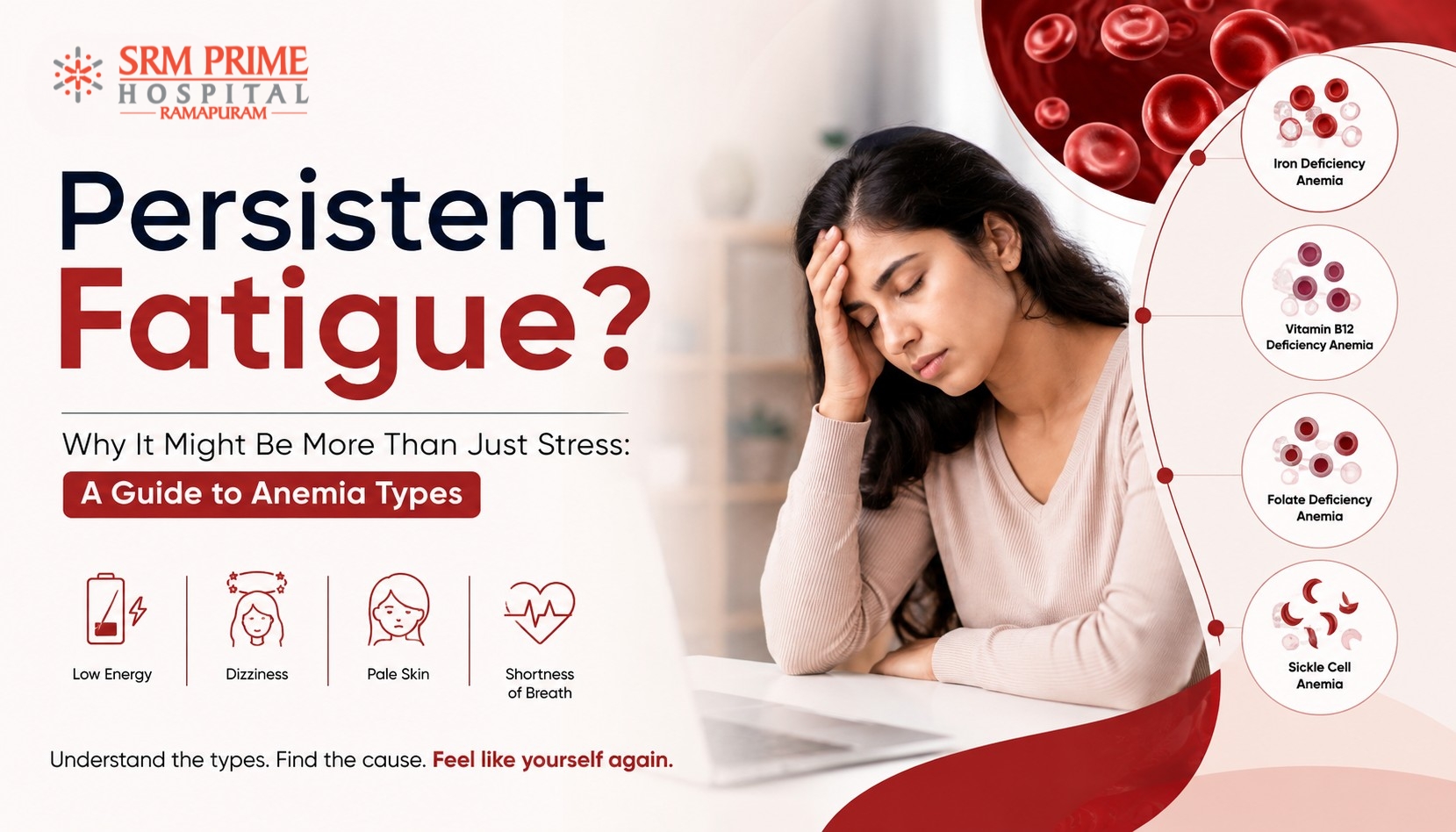
- Anaemia
- Fever
- Low blood sugar
- Dehydration
- Electrolyte imbalance
- Low blood pressure
Treating the underlying condition may help reduce the episodes.
Can Heart Palpitations Be Related to the Heart?
Yes. Some palpitations are caused by changes in the heart's electrical activity. These are known as arrhythmias.
Examples include atrial fibrillation, supraventricular tachycardia and other abnormal heart rhythms. People with existing heart disease may also require closer assessment when new palpitations develop.
This does not mean every unusual heartbeat is dangerous. An ECG or other cardiac tests may be needed to determine whether the rhythm is normal or abnormal.
What Do Heart Palpitations Feel Like?
People describe palpitations differently. Common sensations include:
- Racing heartbeat
- Fluttering in the chest
- Pounding heartbeat
- Skipped or extra beats
- Sudden rapid heartbeat
- A brief pause followed by a strong beat
The sensation may last only a few seconds or continue longer. Recording when episodes occur, their duration, and possible triggers can provide useful information during a medical consultation.
When Should You Worry About Heart Palpitations?
Occasional palpitations without other symptoms may not require urgent treatment. Medical evaluation becomes more important when episodes occur repeatedly, last longer, become more intense, or develop without an obvious trigger.
Immediate medical attention may be necessary when palpitations occur with:
- Chest pain or pressure
- Severe breathlessness
- Fainting or loss of consciousness
- Severe dizziness or weakness
- Unusual sweating
- Palpitations that do not settle
These symptoms can sometimes indicate a significant heart rhythm or cardiovascular problem and should not be ignored.
How Are Heart Palpitations Diagnosed?
A doctor usually begins by asking about the symptoms, medical history, medicines, caffeine intake, stress, and previous heart problems.
An electrocardiogram (ECG) may be performed to examine the heart's electrical activity. If palpitations occur only occasionally, a Holter monitor or another portable rhythm monitor may be recommended.
Blood tests may also help identify anaemia, thyroid disorders, electrolyte abnormalities, or other possible causes.
Can Heart Palpitations Be Prevented?
Prevention depends on the underlying cause. For people whose symptoms are linked to lifestyle triggers, simple changes may help. These can include limiting excessive caffeine, avoiding nicotine, staying hydrated, getting adequate sleep, and managing stress.
People experiencing repeated episodes should avoid assuming that lifestyle factors are always responsible. Identifying the actual cause is more important than simply trying to suppress the sensation.
Frequently Asked Questions
Are heart palpitations always dangerous?
No. Many episodes are harmless and may be related to stress, caffeine, exercise, or other temporary triggers. Frequent or unexplained palpitations should be evaluated.
Can anxiety cause heart palpitations?
Yes. Stress and anxiety can increase heart rate and make the heartbeat feel stronger or more noticeable.
Can dehydration cause palpitations?
Yes. Dehydration can affect blood volume and electrolyte balance, which may contribute to changes in heart rate.
How long can heart palpitations last?
They may last a few seconds, several minutes, or longer depending on the cause. Repeated or prolonged episodes should be discussed with a doctor.
When should someone see a cardiologist for palpitations?
A medical assessment is advisable when palpitations occur frequently, appear without a clear trigger, become more intense, or are associated with dizziness, breathlessness, fainting, or chest discomfort.
Conclusion
Heart palpitations can have many possible causes, from caffeine, stress, dehydration, and poor sleep to thyroid disorders and abnormal heart rhythms. Occasional episodes may be harmless, but recurring or unexplained symptoms deserve medical attention, particularly when they occur with chest pain, fainting, severe dizziness, or breathlessness.
A proper assessment can help identify whether the symptoms are related to lifestyle factors, another medical condition, or the heart's electrical rhythm. For individuals experiencing recurrent or concerning palpitations, the cardiology team at SRM Prime Hospital can evaluate symptoms and recommend appropriate diagnostic tests and treatment based on the underlying cause.








-vs-ESWL-Which-Procedure-is-Right-for-You.webp)




.webp)
.webp)

.webp)
+(1).webp)
.webp)