
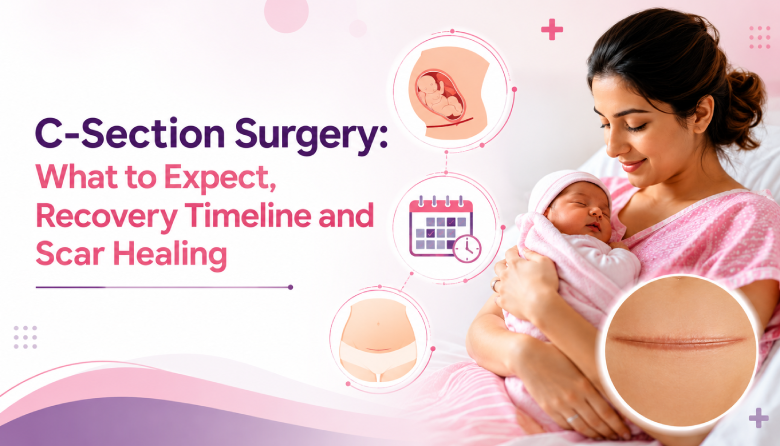
A caesarean section (C-section) is a major abdominal surgery through which a baby is delivered through incisions in the abdomen and uterus. Approximately 40–50% of deliveries in Chennai's private hospitals are now by C-section. Whether planned (elective) or emergency, this surgery — while common — deserves the same preparation and care as any major procedure. This guide walks you through everything from the operation to full recovery.
Key Takeaways
- A C-section is performed under spinal anaesthesia — you are fully awake and aware during the birth.
- The baby is typically delivered within 5–10 minutes of the first incision
- Total surgery time is approximately 45–60 minutes
- Most women are walking within 12–24 hours of surgery
- Full recovery takes 6–8 weeks — patience and rest are essential
When Is a C-Section Recommended?
Planned (Elective) C-Section:
- Placenta praevia — placenta covering the cervix, blocking vaginal delivery.
- Breech position — baby positioned feet-first or bottom-first
- Multiple pregnancy — twins or triplets with unfavourable presentation
- Previous uterine surgeries — previous C-section(s) or myomectomy where uterine scar is at risk.
- Maternal medical conditions — certain heart, lung, or neurological conditions.
Emergency C-Section:
- Fetal distress — baby's heart rate shows signs of oxygen deprivation.
- Failure to progress in labour — cervix stops dilating despite adequate contractions.
- Cord prolapse — umbilical cord comes out before the baby.
- Placental abruption — premature separation of the placenta from the uterine wall.
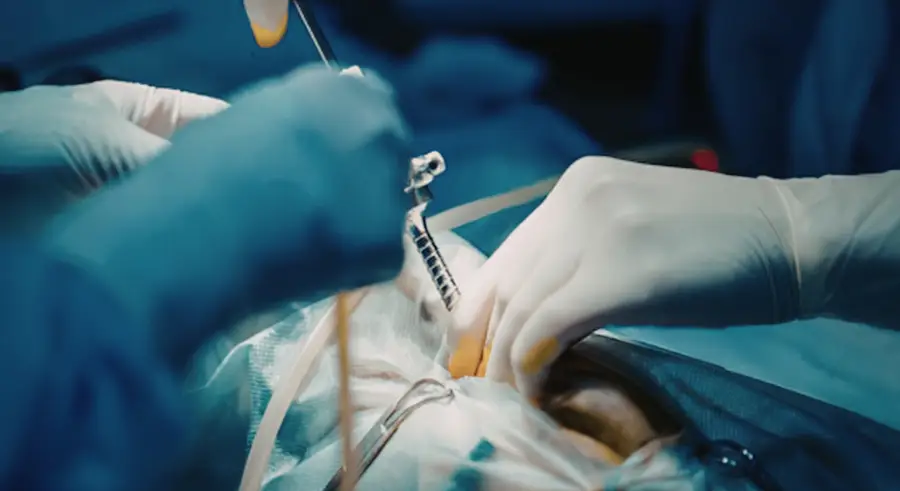
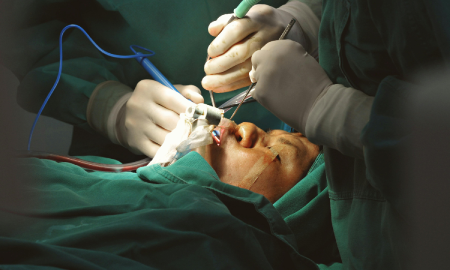
What Happens During a C-Section?
- Spinal anaesthesia injection numbs from the chest downward — you remain fully conscious.
- A horizontal incision (Pfannenstiel incision) is made just above the pubic hairline — approximately 10–15 cm.
- The uterus is opened, and the baby is gently delivered — within 5–10 minutes of the first incision.
- The cord is cut, baby is shown to you.
- The placenta is removed, and the uterus and abdominal layers are closed with absorbable sutures.
- Skin is closed — often with absorbable stitches or staples that are removed on Day 5.
C-Section Recovery — Week by Week
- Hours 1–12: Recovery room. Spinal wears off over 2–4 hours. Catheter in place. Skin-to-skin with a baby is encouraged as soon as you are comfortable.
- Day 1: Catheter removed. Sitting up, dangling legs, and first steps with physiotherapist support.
- Day 2–3: Discharged home (typically). Wound checked before discharge.
- Week 1–2: Rest at home. Light feeding and caring for the baby. No heavy lifting (including older children). Short walks.
- Week 3–4: Increasing activity. Most women can drive at Week 4 if comfortable (check with your doctor).
- Week 6: Postnatal review. Cleared for exercise, swimming, and sexual intercourse (if comfortable).
- Week 8–12: Full physical recovery. Scar softening begins.
C-Section Scar — How to Promote Healing
- Keep the wound dry and clean for the first 2 weeks. Have a daily bath with soap & water.
- After complete healing (2–3 weeks), start silicone scar gel — apply twice daily for 3–6 months.
- Scar massage (gentle circular pressure over the scar) from Week 6 — helps prevent scar tissue adhesions and improves appearance.
- Protect the scar from sun exposure for 12 months — UV radiation darkens scars significantly.
- Wear high-waisted cotton underwear to avoid elastic rubbing the scar Most C-section scars become pale, flat, and barely visible within 12–18 months.
Breastfeeding After C-Section
C-section does not prevent breastfeeding. Skin-to-skin contact can begin in the operating theatre as soon as you and baby are stable. Milk may take 2–4 days to come in (slightly longer than after vaginal birth due to the absence of labour hormones). Position the baby to avoid pressure on the wound — the 'rugby hold' or 'laid-back breastfeeding' positions are recommended.
Planning your delivery or have questions about C-section? Our obstetrics team at SRM Prime Hospital provides comprehensive antenatal care and personalised delivery planning. Call 044 3545 3545.
Book Appointment: srmhospitals.com | Call: 044 3545 3545 | Emergency: 044 3500 3500
Frequently Asked Questions (FAQ)
Is a C-section more painful than normal delivery?
During the procedure: no — spinal anaesthesia means you feel no pain during the surgery. After surgery: C-section recovery involves more post-operative pain than uncomplicated vaginal birth and requires 6–8 weeks for full recovery. Vaginal delivery recovery is typically faster if uncomplicated.
Can I request a C-section even if a vaginal birth is medically appropriate?
A patient's preference for a C-section, after full counselling about risks and benefits, is a valid consideration at SRM Prime Hospital. However, vaginal birth remains the recommended mode of delivery for low-risk pregnancies, and a full discussion with your obstetrician is essential.
How many C-sections can a woman safely have?
Most guidelines consider up to 3 C-sections acceptable in terms of risk. Beyond 3, the risk of abnormal placentation (placenta accreta — where the placenta grows into the uterine scar) increases significantly. This is an important discussion to have with your obstetrician if you plan a large family.
When can I try for another pregnancy after a C-section?
Most obstetricians recommend waiting at least 18 months (ideally 24 months) after a C-section before the next pregnancy, to allow the uterine scar adequate time to heal and reduce the risk of uterine rupture in a subsequent pregnancy.
Is C-section safe for the baby?
C-section is very safe for babies. Babies born by C-section have slightly different respiratory adaptation in the first hours of life (they miss the hormonal changes of labour) — monitored closely by our neonatal team. Skin-to-skin contact immediately after delivery is encouraged to support the baby's microbiome and bonding.






-vs-ESWL-Which-Procedure-is-Right-for-You.webp)



.webp)
.webp)

.webp)
+(1).webp)
.webp)