
.webp)
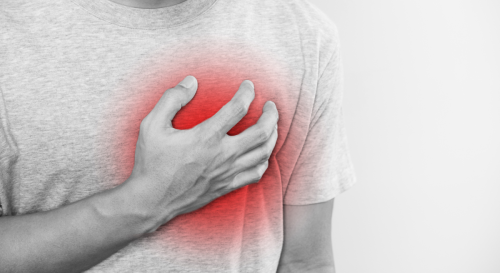
Feeling out of breath after running or lifting something heavy is normal. But what if you start gasping for air while climbing a few stairs or walking across the room? Understanding breathlessness causes becomes important when simple, everyday movements begin to feel exhausting. Many people dismiss early symptoms as tiredness, ageing, or lack of sleep. However, ongoing shortness of breath can be the body’s way of asking for medical attention.
Shortness of breath is not a disease. It is a symptom. The key is knowing when it is harmless and when it signals a deeper issue.
What Does Breathlessness Actually Feel Like?
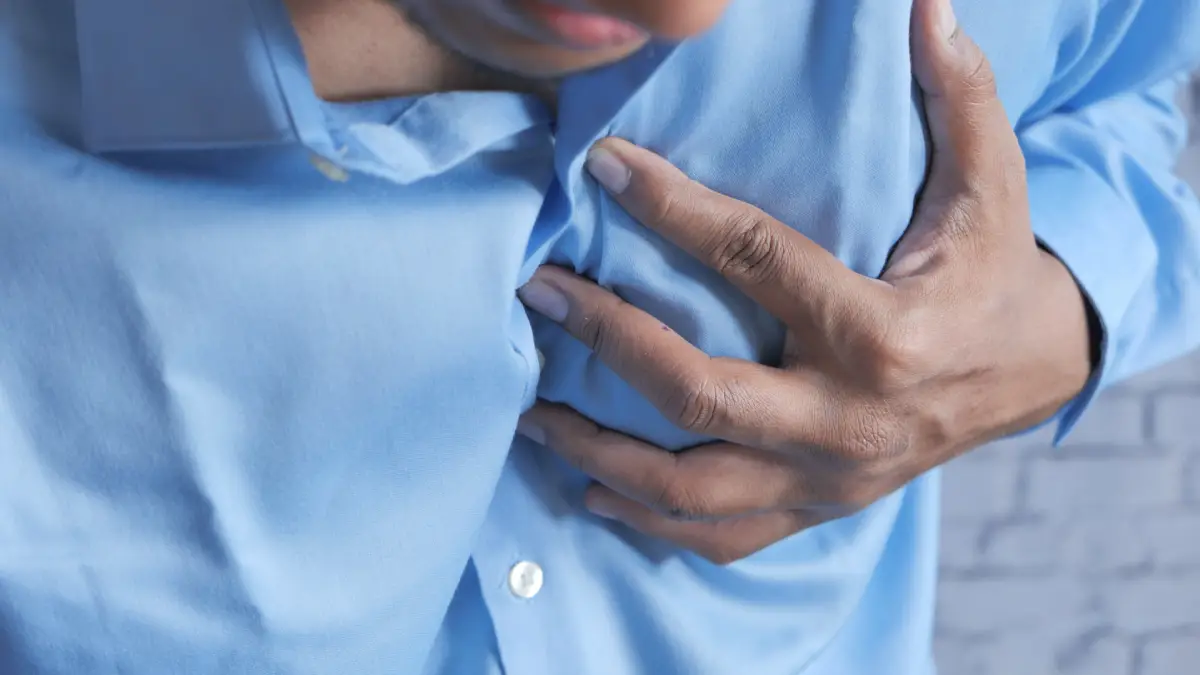
Breathlessness can show up in different ways. Some people feel they cannot take a full breath. Others feel tightness in the chest or the need to breathe faster than usual.
Common sensations include:
- Rapid breathing
- Chest heaviness
- Difficulty speaking in full sentences
- Fatigue during mild activity
- A feeling of air hunger
The experience may develop slowly over months or appear suddenly within minutes. The timing and pattern often help doctors understand the underlying cause.
Common Breathlessness Causes During Daily Tasks
When everyday activities trigger breathlessness, it is usually linked to the heart, lungs, blood, or overall fitness level.
Heart-Related Reasons
The heart pumps oxygen-rich blood to the body. If it struggles to do so efficiently, breathlessness can follow.
Possible heart-related causes include:
- Weak heart muscles
- Blocked arteries
- Valve disorders
- Long-standing high blood pressure
Breathlessness that worsens while lying down or comes with chest discomfort should never be ignored.
Lung Conditions
The lungs are responsible for oxygen exchange. Any disruption in their function may lead to breathing difficulty.
Common lung-related breathlessness causes include:
- Asthma
- Chronic bronchitis
- Emphysema
- Lung infections
- Allergic airway reactions
Symptoms may also include coughing, wheezing, or frequent throat clearing.
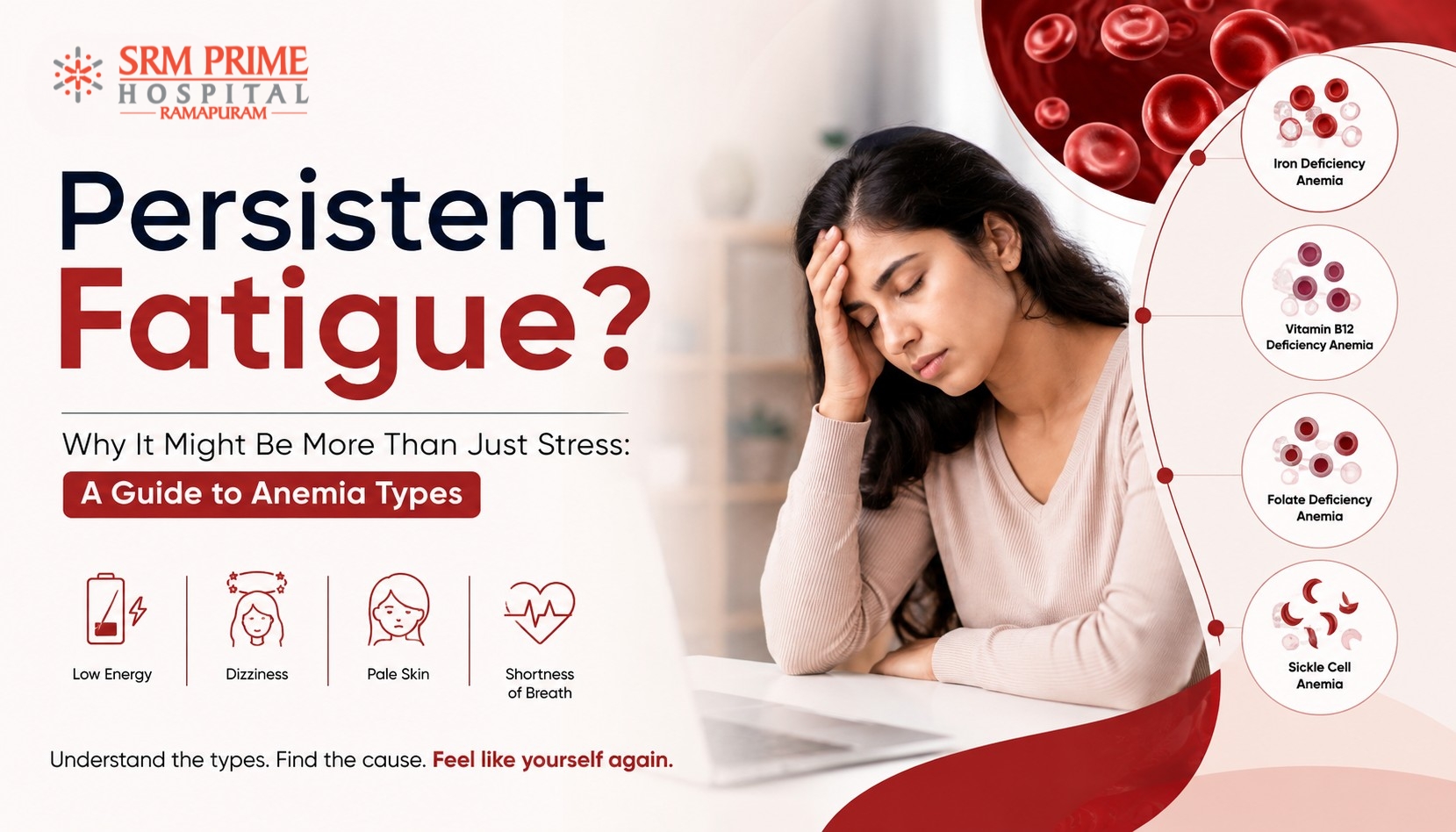
Low Haemoglobin (Anaemia)
When the blood lacks enough Haemoglobin, it cannot carry sufficient oxygen. As a result, even light movement may leave someone breathless.
People with anaemia may also notice:
- Constant fatigue
- Pale skin
- Headaches
- Dizziness
This condition is more common than many realize, especially among women and older adults.
Anxiety and Emotional Stress
Breathing patterns change under stress. During anxiety or panic episodes, a person may breathe too fast or too shallowly.
This can cause:
- A sense of choking
- Racing heartbeat
- Sweating
- Tingling in fingers
While anxiety-related breathlessness feels frightening, it usually improves with calming techniques.
Lack of Physical Conditioning
A sedentary lifestyle reduces lung capacity and heart efficiency. Over time, even mild physical effort may feel overwhelming.
Being overweight can also restrict chest expansion, making breathing more difficult during activity.
When Should You Be Concerned?
It is important to know the difference between normal exertion and warning signs.
Seek medical help immediately if breathlessness:
- Starts suddenly and is severe
- Occurs even at rest
- Comes with chest pain
- Causes fainting
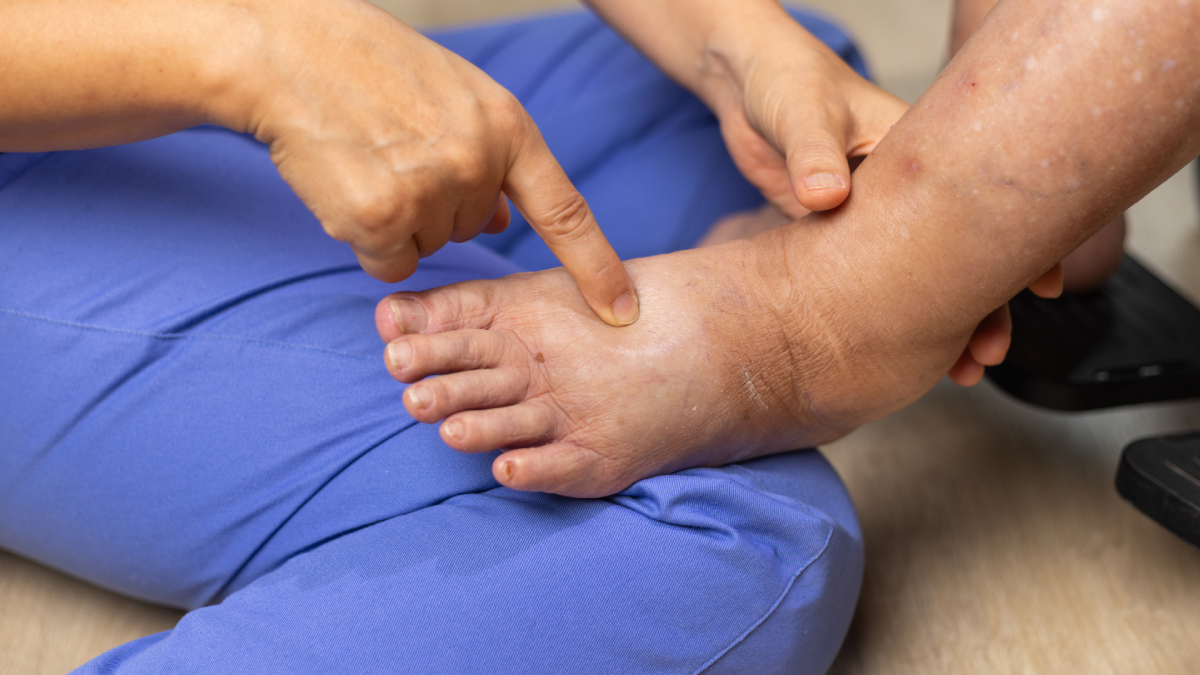
- Is linked to swelling in legs
- Gets progressively worse
Gradual breathlessness that limits daily tasks, even without pain, should still be evaluated by a healthcare professional.
How Doctors Evaluate Breathlessness Causes
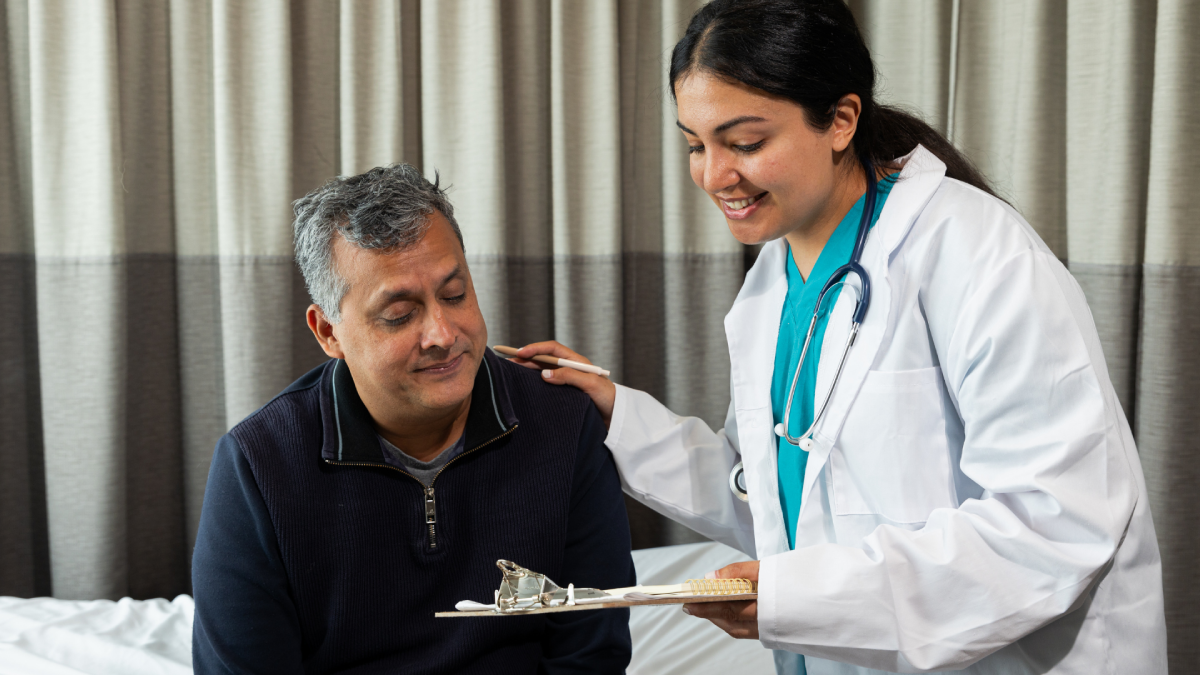
From a clinical perspective, doctors rarely rely on a single symptom. They assess patterns, medical history, and lifestyle factors.
Step 1: Detailed Discussion
The doctor may ask:
- When did it begin?
- Is it constant or occasional?
- Do you smoke?
- Are there other symptoms?
- Is there a family history of heart or lung disease?
Step 2: Physical Examination
This includes checking:
- Heart rate and rhythm
- Oxygen levels
- Lung sounds
- Blood pressure
Step 3: Investigations
Based on initial findings, further tests may include:
- Blood tests
- Chest imaging
- Heart function tests
- Lung capacity assessment
Early detection often makes treatment simpler and more effective.
Why People Often Delay Getting Checked
From an observational standpoint, many individuals normalize breathlessness. They attribute it to ageing, busy schedules, or temporary weakness. Some feel embarrassed to seek help for what seems like a minor issue.
Healthcare professionals frequently notice that patients present late, once symptoms begin interfering significantly with life. Early evaluation, however, often reveals manageable conditions that respond well to timely treatment.
Ignoring persistent symptoms can increase risk and anxiety. Seeking clarity early brings reassurance.
Practical Ways to Support Healthy Breathing
While medical evaluation is important, certain lifestyle adjustments can improve overall respiratory health.
Build Gradual Fitness
Start with:
- Short daily walks
- Light stretching
- Low-impact exercises
Increase activity slowly and consistently.
Maintain Balanced Nutrition
Iron-rich foods help prevent anaemia. Fresh vegetables, fruits, and protein support heart and lung health.
Avoid Smoking and Pollution
Smoking damages lung tissue. Reducing exposure to polluted air can significantly improve breathing comfort.
Practice Controlled Breathing
Techniques like slow inhalation through the nose and gentle exhalation through pursed lips can regulate breathing patterns.
Frequently Asked Questions
1. Is breathlessness part of normal ageing?
Mild reduction in stamina may occur with age, but noticeable shortness of breath during simple tasks is not considered normal.
2. Can dehydration cause breathing issues?
Severe dehydration may affect circulation and lead to fatigue, which can indirectly contribute to breathlessness.
3. How long is too long to ignore symptoms?
If breathing difficulty lasts more than a few days without improvement or worsens, medical advice should be sought.
4. Can infections trigger breathlessness?
Yes. Respiratory infections can temporarily reduce lung efficiency and cause shortness of breath.
5. Is breathlessness reversible?
In many cases, yes. Once the underlying cause is treated, symptoms often improve significantly.
Conclusion
Breathlessness during daily activities is a symptom that deserves attention, not dismissal. While some breathlessness causes may be linked to fitness levels or temporary stress, others may signal heart, lung, or blood-related conditions. Recognising patterns early and seeking medical evaluation can prevent serious complications.
For those experiencing persistent or worsening symptoms, professional assessment is essential. SRM Prime Hospital provides comprehensive diagnostic and treatment services for respiratory and cardiac concerns, ensuring patients receive timely and expert care. Early action not only protects health but also restores confidence in everyday life.







-vs-ESWL-Which-Procedure-is-Right-for-You.webp)





.webp)
.webp)

+(1).webp)
.webp)