


A preventive health checkup is one of the smartest decisions a person can make for long-term wellness. It is not just about testing; it is about staying ahead of potential risks. Many serious conditions such as diabetes, heart disease, and thyroid disorders develop silently. A preventive health checkup helps detect early warning signs before symptoms appear. Instead of reacting to illness, it allows people to respond early, make lifestyle changes, and avoid major complications.
Health needs evolve with age. That is why preventive care should not be limited to one stage of life. It should grow with you.
What Is a Preventive Health Checkup?
A preventive health checkup is a structured medical screening designed to evaluate overall health and identify hidden risks. It usually includes:
- Physical examination
- Blood pressure monitoring
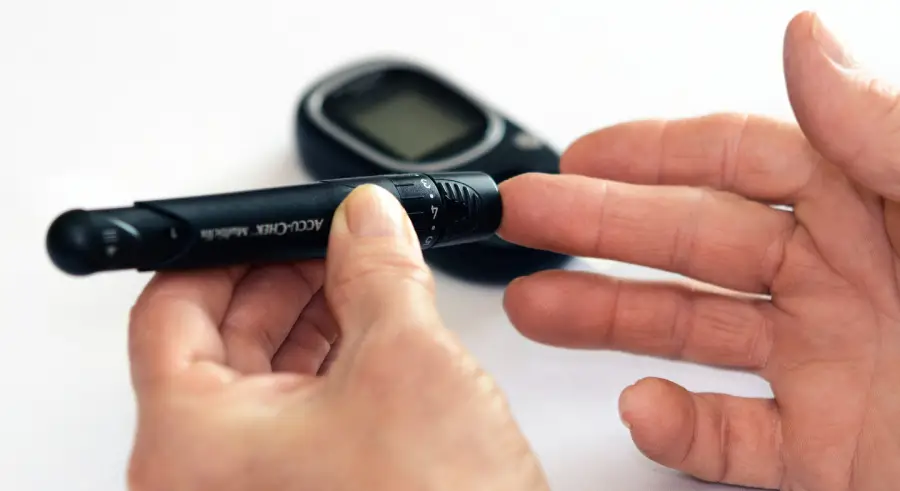
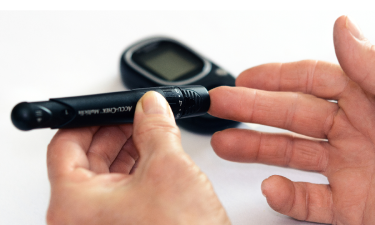
- Blood sugar testing
- Lipid profile
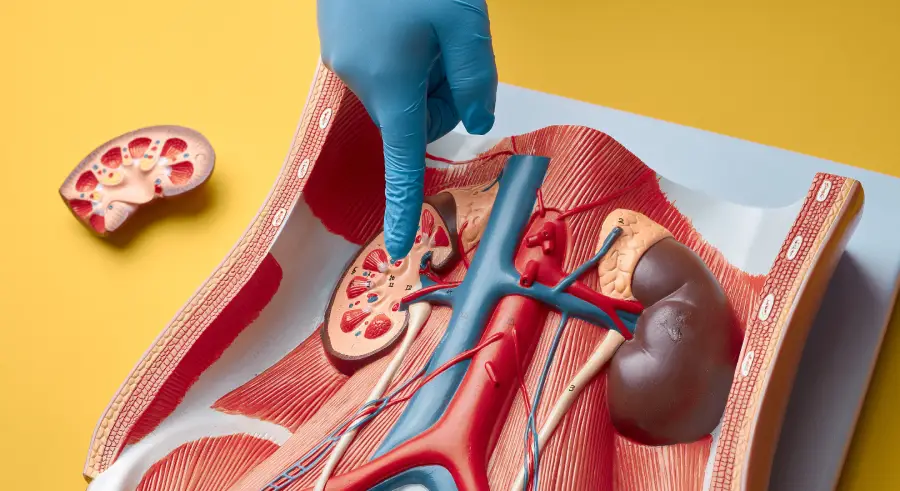
- Liver and kidney function tests
- Age-specific screenings
The goal of a preventive health checkup is simple: detect early, act early, and prevent long-term damage.
Rather than waiting for symptoms, preventive care gives clarity about your current health status.
Preventive Health Checkup in Your 20s and 30s
Young adults often feel invincible. But lifestyle patterns today tell a different story. Long working hours, processed food, lack of sleep, and stress can quietly affect health.
A preventive health checkup during your 20s and 30s helps to:
- Establish baseline health numbers
- Identify vitamin and mineral deficiencies
- Monitor thyroid levels
- Track cholesterol trends
- Detect early metabolic changes
Starting a preventive health checkup routine early builds awareness. From a broader perspective, individuals who monitor their health in their younger years are more likely to maintain healthy habits later. Prevention becomes a mindset, not a reaction.
Why Preventive Health Checkup Becomes Essential After 40
After 40, the risk of chronic illness increases. Blood pressure may rise gradually. Blood sugar levels may shift. Hormonal balance changes.
At this stage, a preventive health checkup becomes more detailed and focused. It may include:
- Comprehensive cardiac screening
- Advanced lipid profile
- Diabetes evaluation
- Thyroid assessment
- Cancer screening based on risk factors
A regular preventive health checkup during midlife often prevents emergency situations. Early detection allows doctors to recommend medication, dietary changes, or lifestyle adjustments before complications occur.
Experts often notice that people who commit to annual screening after 40 experience fewer unexpected health crises. Prevention reduces uncertainty.
Preventive Health Checkup After 50: Protecting Quality of Life
Health priorities shift after 50. The focus moves from early detection to maintaining function, mobility, and independence.
A preventive health checkup in this stage may include:
- 60 Bone density scan
- Detailed cardiac evaluation
- Cancer screening
- Kidney function monitoring
- Vision and hearing tests
Routine preventive health checkup appointments help seniors stay active and confident. Instead of fearing hidden illness, they gain reassurance from regular monitoring.
From a third-person perspective, older adults who prioritize preventive screening often show greater emotional stability. Knowing their health status gives them peace of mind.
Financial Benefits of Preventive Health Checkup
Healthcare expenses can be overwhelming when diseases are diagnosed late. Hospital admissions, surgeries, and long-term medications increase financial strain.
A preventive health checkup helps reduce costs by:
- Detecting disease in early stages
- Lowering hospitalisation risk
- Reducing need for complex procedures
- Minimizing productivity loss
Investing in a preventive health checkup today can prevent major expenses tomorrow. Prevention is not an added cost; it is cost control.
Mental Health and Preventive Health Checkup
Preventive care is not limited to physical tests. Stress, anxiety, and burnout are increasingly common across age groups.
Many preventive health checkup packages now include mental health assessments. Early recognition can:
- Improve sleep quality
- Reduce chronic stress impact
- Strengthen coping ability
- Support emotional balance
A comprehensive preventive health checkup considers both body and mind.
How Often Should You Schedule a Preventive Health Checkup?
Frequency depends on age and personal risk factors:
- Every 1–2 years in your 30s to 40s
- Annually after 40
- More frequent testing if chronic conditions exist
Consistency is key. A single preventive health checkup provides insight, but regular screening provides protection.
Signs You Should Not Delay a Preventive Health Checkup
Even without symptoms, certain signs call for immediate evaluation:
- Family history of heart disease or diabetes
- Sudden weight changes
- Persistent fatigue
- High stress levels
- Sedentary lifestyle
A timely preventive health checkup can reveal hidden imbalances before they become serious.
Frequently Asked Questions
1. Is a preventive health checkup necessary if I feel healthy?
Yes. Many conditions do not show symptoms in early stages.
2. At what age should preventive screening begin?
Basic screening can start in early adulthood and should become more comprehensive with age.
3. Can a preventive health checkup prevent disease completely?
It may not eliminate all risk, but its early diagnosis & treatment may significantly reduce complications and severity.
4. How long does a preventive health checkup take?
Most complete screenings are finished within a few hours.
5. Does insurance cover preventive health checkup packages?
Many policies include annual health screening benefits. It is best to confirm with your provider.
Conclusion
A preventive health checkup is not just a medical routine. It is a long-term health strategy that evolves with every decade of life. In your younger years, it builds awareness. In midlife, it prevents complications. In later years, it protects independence and quality of life.
Those who prioritize preventive care often experience fewer medical surprises and greater confidence in their health decisions. Knowledge reduces fear, and early action reduces risk.
Choosing a trusted healthcare partner makes a significant difference. Institutions like SRM Prime Hospitals emphasize the importance of preventive health checkup programmes across all age groups, helping individuals take control of their health before illness takes control of them.
Prevention is not about expecting problems. It is about preparing wisely for a healthier future.











-vs-ESWL-Which-Procedure-is-Right-for-You.webp)






.webp)
.webp)

.webp)
+(1).webp)
.webp)