A cholesterol test can reveal something unexpected about a person's health. Consider someone who walks regularly, eats home-cooked meals and has never experienced chest discomfort. Their report may still show an LDL level of 185 mg/dL. This is possible because high cholesterol symptoms do not usually appear when cholesterol first increases. The real concern lies in what may happen to the arteries over time. Reading a cholesterol report correctly helps patients understand when their results need medical attention.
How Does Excess Cholesterol Affect Blood Vessels?
The liver makes cholesterol for essential functions, including cell maintenance and hormone production. It also plays an important role in removing cholesterol from the blood.
When LDL cholesterol remains elevated, some cholesterol can enter artery walls. The body's response to these deposits can lead to plaque formation.
As plaque gradually accumulates inside the arteries, it can reduce the space available for blood to circulate. In some cases, a damaged plaque can trigger a clot that suddenly blocks an artery.
This process explains why cholesterol management focuses on preventing future damage rather than treating immediate discomfort.
High Cholesterol Symptoms: What Does the Body Reveal?
There is no specific feeling that tells someone their LDL level is too high. A person cannot identify high cholesterol symptoms by checking their pulse, appetite or energy levels.
However, changes caused by artery disease may eventually produce warning signs.
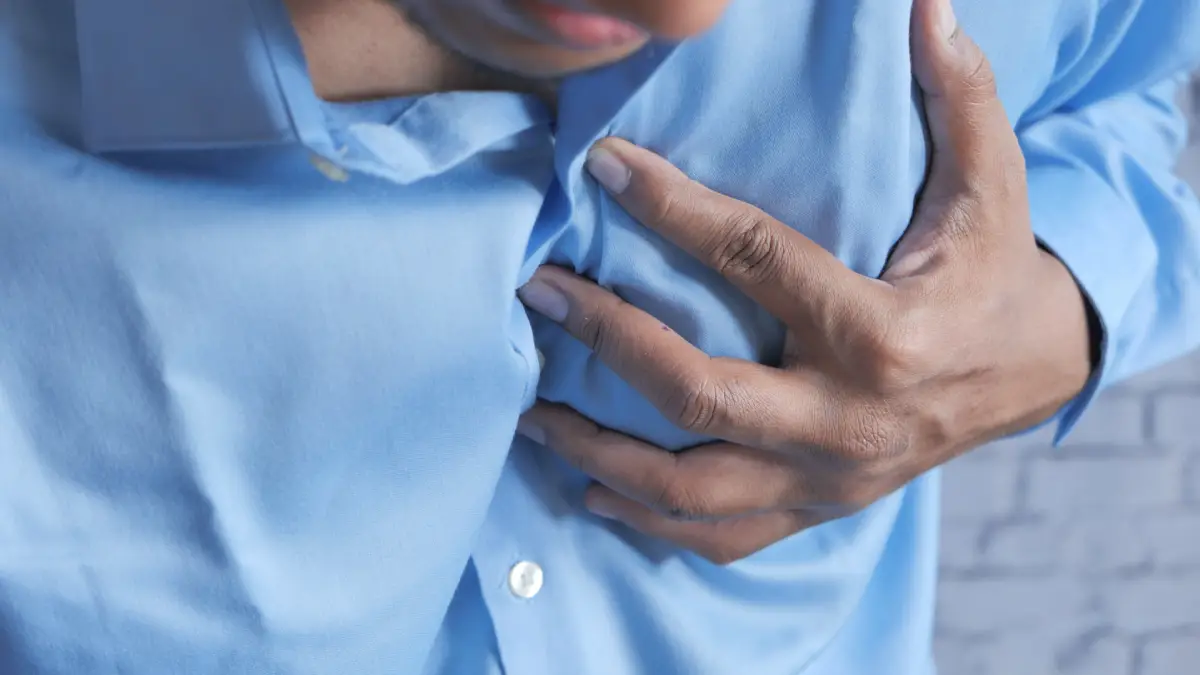
Chest Discomfort During Physical Effort
If the arteries supplying the heart become narrowed, someone may experience chest pressure when walking uphill. The discomfort may ease after resting.
Pain That Interrupts Walking
A person who repeatedly stops walking because of calf pain may have reduced blood supply to the legs. The pain often improves during rest.
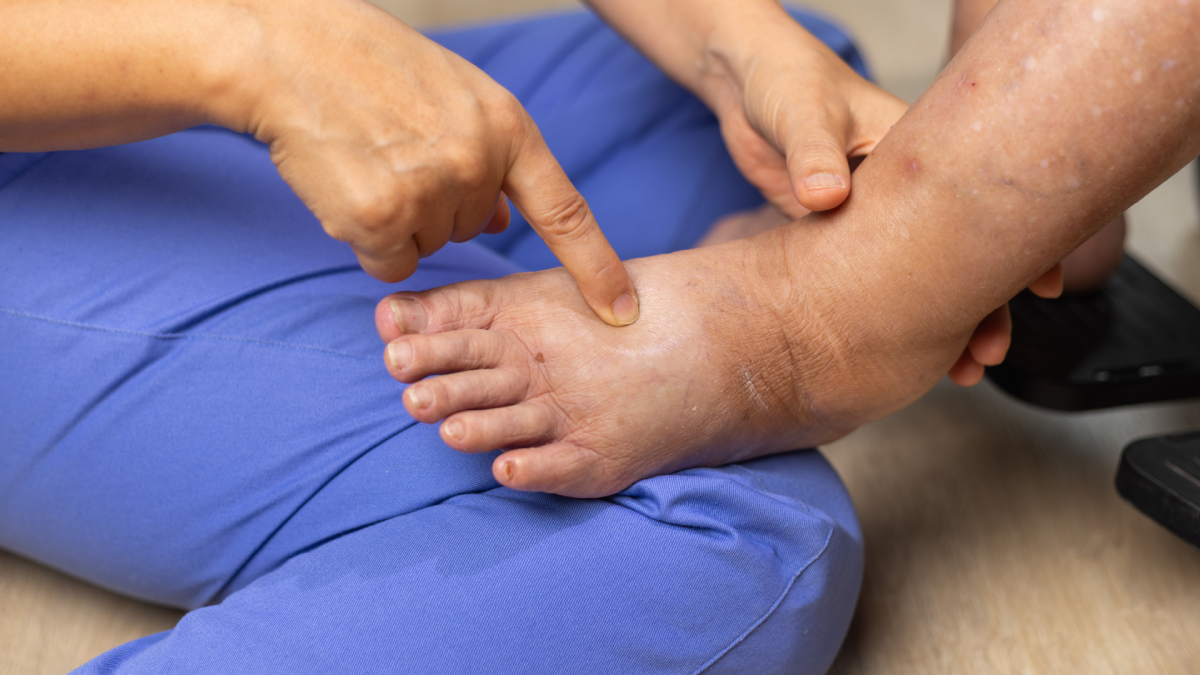
Unusual Skin Deposits
Certain inherited cholesterol conditions can produce yellowish deposits near tendons. These changes are uncommon and do not occur in most patients.
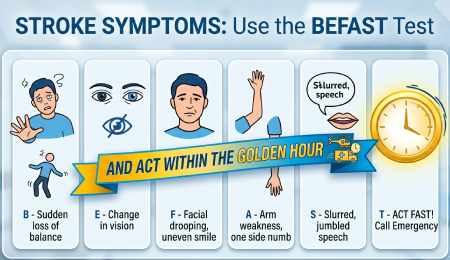
Sudden Problems With Speech or Movement
Unexpected speech difficulty, facial drooping or weakness in one arm may indicate a stroke.
These complications should not be mistaken for routine high cholesterol symptoms. Anyone showing signs of a heart attack or stroke should receive immediate medical attention.
Normal Cholesterol Range: Understanding the Numbers
Doctors measure cholesterol using a blood test called a lipid profile. Results are generally reported in mg/dL.
Total Cholesterol Levels
- Below 200: Desirable
- 200–239: Borderline high
- 240 or above: High
LDL Cholesterol Levels
- Below 100: Optimal for many adults
- 100–129: Near optimal
- 130–159: Borderline high
- 160–189: High
- 190 or above: Very high
HDL Cholesterol Levels
- Below 40 in men: Low
- Below 50 in women: Low
- 60 or above: Generally favourable
Triglyceride Levels
- Below 150: Normal
- 150–199: Borderline high
- 200–499: High
- 500 or above: Very high
These ranges are general screening categories. Patients with heart disease or other significant risks may need lower LDL targets.
Why Can Cholesterol Increase Despite Healthy Eating?
Diet matters, but cholesterol levels also depend on how the body processes blood fats.
A person may develop raised cholesterol because of:
- Inherited factors: The liver may remove LDL less efficiently.
- Thyroid disorders: Low thyroid activity can increase LDL.
- Diabetes: Metabolic changes can disturb triglyceride and cholesterol levels.
- Saturated fat intake: Frequent excess consumption may raise LDL.
- Certain medicines: Some treatments can affect blood lipid levels.
Since high cholesterol symptoms are usually missing, these factors become important during medical assessment.
How Do Doctors Assess Cholesterol Results?
A doctor examines more than the total cholesterol reading. LDL, HDL and triglycerides are reviewed alongside blood pressure, diabetes status and family history.
For example, an LDL result of 155 mg/dL may have different implications for someone with previous heart disease than for someone without known risk factors.
Doctors therefore assess the complete health picture rather than using one cholesterol number to decide treatment.
What Treatment Helps Lower Cholesterol?
Cholesterol management focuses on lowering LDL levels while also controlling other risk factors for cardiovascular disease.
Making Useful Food Changes
Replacing butter-rich foods with options containing unsaturated fats can help. Foods such as oats, beans and lentils contain soluble fibre, which can help lower cholesterol levels.
Portion sizes and regular eating habits also matter.
Increasing Physical Activity
Walking, swimming and cycling can improve cardiovascular fitness. Patients with pre-existing heart conditions should consult their doctor before starting or changing their exercise routine.
Using Cholesterol-Lowering Medicines
Statins help lower LDL cholesterol and reduce cardiovascular risk. Depending on cholesterol levels and cardiovascular risk, doctors may recommend ezetimibe or other cholesterol-lowering medicines.
Doctors choose medicines according to test results and medical history, not high cholesterol symptoms alone.
Frequently Asked Questions
1. Can High Cholesterol Symptoms Include Headaches?
Headaches are not a dependable sign of raised cholesterol. Repeated headaches should be evaluated for other causes.
2. Is an LDL Reading of 180 mg/dL Concerning?
Yes. This reading falls within the high category and requires medical assessment.
3. Can High Cholesterol Affect People Under 30?
Yes. Inherited conditions can cause markedly raised cholesterol during childhood or early adulthood.
4. Will Avoiding Oil Completely Lower Cholesterol?
Removing all dietary fat is unnecessary. Choosing healthier fats and reducing saturated fat is more useful.
5. Does Normal Cholesterol Mean Medication Can Be Stopped?
Not necessarily. Improved readings may result from ongoing treatment. Patients should consult their doctor before stopping medicines.
6. Can High Cholesterol Symptoms Improve After Treatment?
Cholesterol-lowering treatment reduces cardiovascular risk, but symptoms caused by existing artery disease may need separate medical care.
Conclusion
High cholesterol symptoms are not a dependable way to judge cholesterol levels. A lipid profile, combined with an assessment of personal risk factors, provides a clearer basis for treatment decisions.
At SRM Prime Hospital, a multispeciality hospital in Chennai, patients can consult specialists for cholesterol evaluation, interpretation of test results and suitable medical management.