

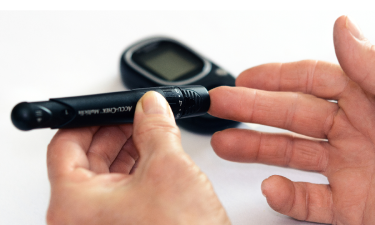
Diabetes is becoming increasingly common across the world, and many people live with the condition for years before realizing it. According to the International Diabetes Federation, about 11.1% of adults globally, nearly 1 in 9 people are currently living with diabetes, and millions remain undiagnosed. Recognising diabetes early symptoms can help individuals seek medical advice sooner and prevent long-term complications.
In India, the concern is equally significant. Recent estimates suggest that over 89 million adults in India are living with diabetes, representing roughly 10.5% of the adult population, making the country one of the largest contributors to the global diabetes burden.
Many early signs may seem harmless at first fatigue, increased thirst, or frequent urination. Because these symptoms can easily be mistaken for everyday issues, people often ignore them. In fact, research suggests that over 40% of people with diabetes worldwide are unaware they have the condition, which delays diagnosis and treatment. However, paying attention to these signals can make a significant difference in managing health and preventing serious complications related to uncontrolled blood sugar levels.
Understanding what the body is trying to communicate is the first step toward protecting long-term health.
Understanding Diabetes and Why Early Detection Matters
Diabetes is a chronic condition that occurs when the body cannot properly regulate blood sugar levels. This usually happens because the body either does not produce enough insulin or cannot effectively use the insulin it produces.
When blood sugar remains high for a prolonged period, it can damage blood vessels, nerves, and vital organs. Early detection allows individuals to manage the condition with lifestyle changes, medication, and regular monitoring.
Recognising diabetes early symptoms helps prevent complications such as heart disease, kidney damage, nerve issues, and vision problems.
Common Diabetes Early Symptoms
Many early symptoms appear gradually and may go unnoticed. Being aware of these signs can help individuals take timely action.
Frequent Urination
One of the most common early signs of diabetes is frequent urination. High blood sugar forces the kidneys to work harder to remove excess glucose from the body.
People may notice:
- Needing to urinate more often during the day
- Waking up multiple times at night to urinate
- Larger urine volume than usual
Frequent urination is often one of the first noticeable diabetes early symptoms.
Excessive Thirst
Because the body loses more fluids through frequent urination, dehydration can occur. This causes constant thirst even after drinking water.
Individuals may experience:
- Persistent dryness in the mouth
- A constant need to drink water
- Feeling thirsty shortly after drinking
This symptom often appears alongside frequent urination.
Unusual Fatigue
Persistent fatigue without a clear reason may be linked to blood sugar problems. When glucose cannot enter the cells efficiently, the body struggles to produce energy.
Individuals may experience:
- Constant tiredness
- Difficulty concentrating
- Low energy levels
Fatigue is commonly overlooked but can be one of the important early symptoms.
Increased Hunger
Another sign that may appear early is increased hunger, even after eating normal meals.
When the body cannot properly use glucose for energy, it signals the brain to consume more food. This can lead to:
- Frequent hunger shortly after meals
- Cravings for carbohydrates or sugary foods
- Difficulty feeling full
Unexpected Weight Loss
Sudden weight loss without changes in diet or exercise may be a warning sign of diabetes.
When the body cannot use glucose for energy, it begins breaking down fat and muscle instead. This can lead to noticeable weight loss over time.
People experiencing unexplained weight loss should consider medical evaluation, especially if other diabetes early symptoms are present.
Skin and Vision Changes
Some early symptoms affect the skin and eyesight, which many people may not immediately associate with diabetes.
Blurred Vision
High blood sugar can affect fluid levels in the eyes, leading to temporary vision changes.
People may notice:
- Difficulty focusing
- Blurred or fluctuating vision
- Eye strain
If blood sugar remains uncontrolled, it can eventually lead to serious eye problems.
Slow Healing Wounds
Another warning sign involves wounds or cuts that take longer to heal.
High blood sugar can impair circulation and weaken the immune system. Signs include:
- Cuts or wounds healing slowly
- Frequent skin infections
- Recurrent infections
These issues may indicate underlying diabetes early symptoms.
Dark Patches on the Skin
Some individuals develop dark patches of skin in areas such as the neck, armpits, or groin. This condition may be linked to insulin resistance and can appear before diabetes is diagnosed.
Tingling or Numbness in Hands and Feet
Another possible early sign of diabetes is nerve-related symptoms.
People may experience:
- Tingling sensations
- Burning feelings in the feet
- Numbness in hands or toes
These sensations occur due to nerve irritation caused by prolonged high blood sugar levels.
Who Should Pay Closer Attention to Diabetes Early Symptoms
While anyone can develop diabetes, some individuals have a higher risk.
People who should monitor symptoms carefully include:
- Individuals with a family history of diabetes
- People who are overweight or physically inactive
- Adults over the age of 40
- Individuals with high blood pressure or cholesterol
- Women with a history of gestational diabetes
For these individuals, noticing diabetes early symptoms and seeking medical advice is particularly important.
Frequently Asked Questions
What are the first diabetes early symptoms people usually notice?
The earliest signs often include frequent urination, excessive thirst, unusual fatigue, and increased hunger.
Can diabetes develop without noticeable symptoms?
Yes. In many cases, type 2 diabetes develops gradually and may not show obvious symptoms in the early stages.
Are diabetes early symptoms the same for everyone?
Not always. Symptoms can vary from person to person. Some individuals experience several symptoms, while others may notice only a few.
Conclusion
Diabetes often develops quietly, but the body usually provides early warning signals. Recognising diabetes early symptoms such as frequent urination, excessive thirst, fatigue, unexplained weight loss, blurred vision, and slow healing wounds can help individuals seek timely medical attention.
Early detection plays a critical role in preventing complications and improving quality of life. Hospitals like SRM Prime Hospitals focus on early screening and preventive healthcare to help individuals identify warning signs early and take proactive steps toward better health.


















-vs-ESWL-Which-Procedure-is-Right-for-You.webp)











.webp)
.webp)

.webp)
+(1).webp)
.webp)