


Vomiting is the forceful emptying of stomach contents through the mouth. While many vomiting causes are linked to temporary digestive problems, vomiting can also be associated with infections, medication effects, pregnancy, migraine, or more serious medical conditions.
The reason can differ between adults and children. How long vomiting lasts and whether it occurs with fever, abdominal pain, dehydration, headache, or other symptoms can help determine when medical evaluation is needed.
What Causes Vomiting?
Vomiting occurs when the brain activates the body’s vomiting reflex. Signals may come from the digestive tract, inner ear, brain, bloodstream, or other parts of the body.
Common vomiting causes include:
- Viral or bacterial infections
- Food poisoning
- Indigestion or overeating
- Motion sickness
- Migraine
- Pregnancy
- Certain medicines
- Excessive alcohol consumption
- Digestive tract disorders
Common Vomiting Causes in Adults
Gastroenteritis
Gastroenteritis is an infection or inflammation of the stomach and intestines. It can cause sudden vomiting, diarrhoea, stomach cramps, mild fever, and tiredness.
Repeated vomiting and diarrhoea can lead to dehydration, making adequate fluid intake important.
Food Poisoning
Contaminated food or water can cause vomiting. Symptoms may begin within a few hours or later and can include diarrhoea, abdominal cramps, nausea, fever, and weakness.
Medical care may be needed if symptoms become severe or dehydration develops.
Indigestion and Digestive Problems
Eating too quickly, overeating, or consuming foods that irritate the digestive system can trigger vomiting.
Conditions affecting the stomach, gallbladder, pancreas, or intestines can also be vomiting causes, especially when symptoms occur repeatedly or with significant abdominal discomfort.
Migraine
Migraines may cause nausea, vomiting, headache, and sensitivity to light or sound.
Vomiting with a sudden or unusual headache should be assessed, particularly when accompanied by confusion, weakness, or vision changes.
Pregnancy
Nausea and vomiting are common during early pregnancy. Although often called morning sickness, symptoms can occur at any time.
Severe vomiting during pregnancy can cause dehydration and nutritional problems. Medical evaluation is important when food or fluids cannot be kept down.
Medicines and Treatments
Certain antibiotics, pain medicines, anaesthesia, chemotherapy medicines, and other treatments may cause nausea and vomiting.
A doctor should be consulted before stopping prescribed medication.
Vomiting Causes in Children
Children may vomit for many of the same reasons as adults, but dehydration can develop more quickly.
Stomach Infections
Viral gastroenteritis is among the common vomiting causes in children. Symptoms can include vomiting, diarrhoea, fever, stomach cramps, and reduced appetite.
Maintaining adequate fluid intake is particularly important for younger children.
Food-Related Illness
Food poisoning can cause vomiting, diarrhoea, stomach pain, or fever. Children showing dehydration or unusual tiredness should receive medical attention.
Coughing and Respiratory Illness
Young children may vomit after intense coughing. However, repeated vomiting should not automatically be assumed to result from coughing when other concerning symptoms are present.
Motion Sickness
Travel by car, bus, boat, or plane may trigger dizziness, nausea, sweating, and vomiting in some children. Symptoms usually improve after movement stops.
Other Medical Conditions
Less common vomiting causes in children include appendicitis, intestinal obstruction, head injury, meningitis, and other medical conditions.
Vomiting with severe pain, unusual sleepiness, neck stiffness, or confusion requires prompt assessment.
How Can Vomiting Lead to Dehydration?
Repeated vomiting causes the body to lose fluids and electrolytes.
Signs of dehydration include:
- Dry mouth or tongue
- Increased thirst
- Reduced urination
- Dark-coloured urine
- Dizziness or weakness
- Sunken eyes
- Unusual sleepiness or irritability in children
Infants, young children, older adults, and people with existing medical conditions may become dehydrated faster. Small, frequent sips of appropriate fluids may be easier to tolerate.
When Do Vomiting Causes Require Medical Attention?
Medical assessment becomes important when vomiting is severe, repeated, or prevents adequate fluid intake.
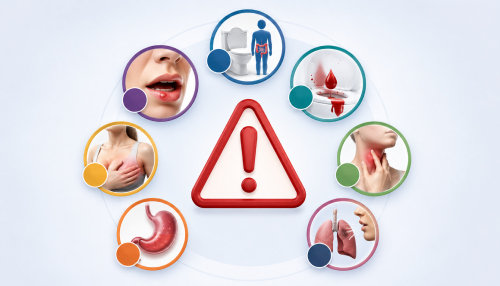
Seek prompt medical care when vomiting occurs with:
- Blood or material resembling coffee grounds in vomit
- Green vomit, particularly in children
- Severe or worsening abdominal pain
- Severe headache or neck stiffness
- Confusion or difficulty staying awake
- High or continuing fever
- Chest pain
- Significant dehydration
- Very little or no urination
- Vomiting after a significant head injury
- Inability to keep fluids down
Infants and young children who vomit repeatedly, appear unusually weak, or show dehydration should also be assessed.
How Are Vomiting Causes Diagnosed?
Diagnosis depends on symptoms, duration, age, medical history, medicines, recent food intake, and other factors.
A doctor may assess hydration and perform a physical examination. Depending on the suspected vomiting causes, tests may include:
- Blood or urine tests
- Stool tests
- Pregnancy testing
- Ultrasound
- X-ray
- CT scan or other imaging
Not everyone with vomiting requires testing. Investigations depend on the symptoms and suspected condition.
Frequently Asked Questions
What is the most common cause of vomiting?
Digestive infections, particularly gastroenteritis, are common causes. Food poisoning, indigestion, migraine, medicines, and pregnancy can also cause vomiting.
When should vomiting become a concern?
Repeated vomiting that prevents fluid intake or occurs with dehydration, blood, severe pain, confusion, or high fever requires medical attention.
What causes sudden vomiting without warning?
Sudden vomiting causes include gastroenteritis, food poisoning, migraine, motion sickness, medication reactions, and other acute illnesses.
Why does a child vomit without fever?
Possible reasons include indigestion, motion sickness, coughing, food intolerance, reflux, migraine, or digestive conditions.
Can vomiting cause dehydration?
Yes. Repeated vomiting causes fluid and electrolyte loss, especially in infants, young children, and older adults.
What should someone drink after vomiting?
Small, frequent sips of water or an appropriate oral rehydration solution can help replace lost fluids.
Is vomiting always caused by a stomach problem?
No. Vomiting causes may include migraine, pregnancy, motion sickness, medicines, inner-ear problems, and other medical conditions.
Conclusion
There are many vomiting causes, from short-term stomach infections and food poisoning to migraine, pregnancy, medication effects, and less common medical conditions. Dehydration, severe abdominal pain, blood in vomit, high fever, or neurological symptoms can indicate a need for medical attention.
Children, older adults, pregnant women, and people unable to keep fluids down may require earlier assessment.
For repeated vomiting, dehydration, severe abdominal symptoms, or other warning signs, patients can consult the medical team at SRM Prime Hospital for clinical evaluation, diagnosis, and appropriate treatment.














-vs-ESWL-Which-Procedure-is-Right-for-You.webp)











.webp)
.webp)


.webp)
+(1).webp)
.webp)