

Obstetrics & Gynaecology
Expert obstetrics & gynaecology care in Ramapuram, Chennai — high-risk pregnancy, delivery, laparoscopic surgery, PCOS, infertility & menopause at SRM Prime.
About Our Obstetrics & Gynaecology Department
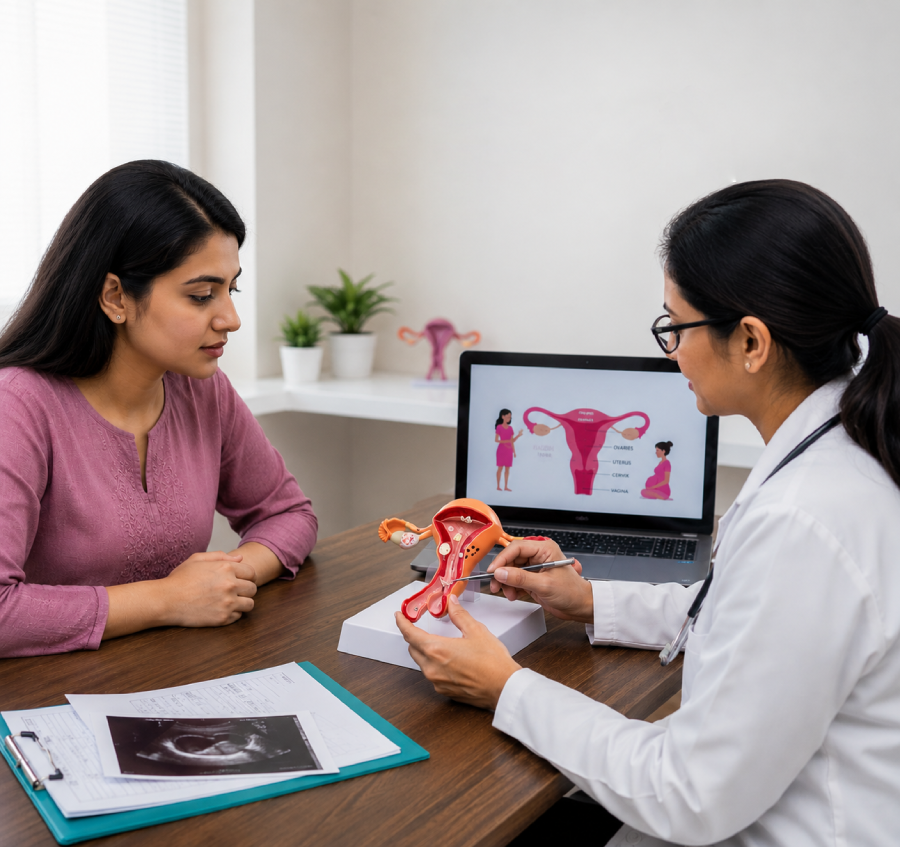
Comprehensive Women's Health & Maternity Care at SRM Prime Hospital, Ramapuram
At SRM Prime Hospital, Ramapuram, our Obstetrics & Gynaecology Department is committed to delivering compassionate, evidence-based, and comprehensive women's healthcare — from adolescence through pregnancy, childbirth, and menopause. As a trusted gynaecology hospital in Chennai, we combine advanced surgical expertise with deeply personalised clinical care, making specialist women's health services readily accessible to patients across western Chennai.
Our O&G team brings over 57 years of combined clinical experience, led by three highly qualified consultants whose expertise spans high-risk obstetrics, normal and operative deliveries, advanced laparoscopic and robotic gynaecological surgery, infertility evaluation and management, fetal medicine, reproductive medicine, menopause care, and cosmetic gynaecology. Whether you are planning a pregnancy, navigating a gynaecological concern, or managing a complex hormonal condition, our specialists have the breadth of expertise and sensitivity of approach to support you at every stage.
From your first antenatal visit and detailed anomaly scans through to a safe delivery, post-partum recovery, and beyond — SRM Prime Hospital's Obstetrics & Gynaecology Department provides a complete, woman-centred continuum of care, all within your community.
Why Choose Us
Why Choose SRM Prime Hospital for Obstetrics & Gynaecology
Experience world-class, patient-first care backed by advanced technology, expert specialists and a commitment to better outcomes.

Dedicated high-risk obstetric care for gestational diabetes, pregnancy-induced hypertension, preeclampsia, twin pregnancies, placenta praevia, preterm labour, previous caesarean sections, and fetal growth concerns.
Comprehensive infertility evaluation for both partners, ovulation induction, IUI, IVF coordination, PCOS management, and reproductive surgery — supporting couples on the path to parenthood.

From adolescent menstrual health, PCOS, and contraception through maternity, to menopause hormone therapy and gynaecological oncology screening — complete women's healthcare under one roof.
.png)
Laparoscopic hysterectomy, myomectomy, cystectomy, endometriosis surgery, and robotic gynaecologic procedures — delivering precision surgery with reduced recovery time, minimal blood loss, and shorter hospital stay.
300+
Beds of Advanced Care
30+
Medical Specialities
7
Modular Operation Theatres
75+
Specialised ICU Beds
Meet Our Obstetrics & Gynaecology Team
Our O&G Department is led by three senior consultants who collectively bring over 57 years of specialist clinical expertise in obstetrics, gynaecology, minimally invasive surgery, reproductive medicine, and maternal-fetal medicine. Each consultant is trained at premier national and international institutions — ensuring our patients receive women's healthcare that meets the highest global standards.
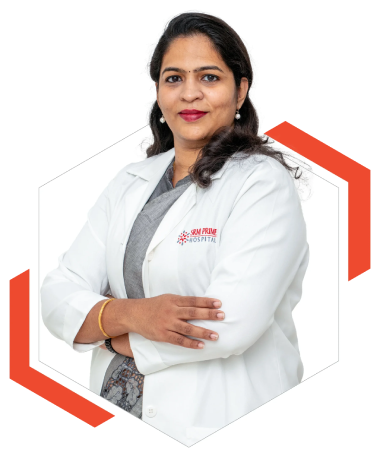
Dr. Keerthana Rajasekaran
Consultant – Obstetrics & Gynaecology
12+ years of experience

English • Tamil • Hindi

10:00 - 16:00
•
Mon–Sat
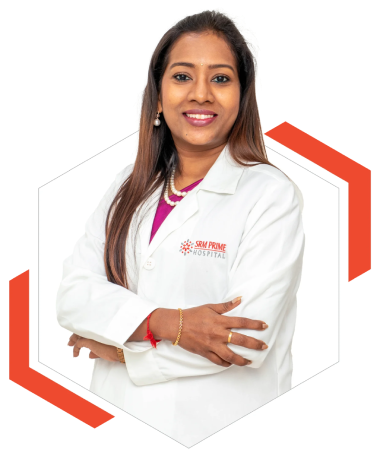
Dr. Nandhini Elumalai
Senior Consultant – Obstetrics & Gynaecology
15+ years of experience
English • Hindi • Tamil
10:00 - 16:00
•
Mon–Sat

Dr. Palaniappan N
Senior Consultant – Obstetrics & Gynaecology
30+ years of experience
English • Tamil
10:00 - 16:00
•
Mon–Sat
Key Highlights
Specialised Obstetrics & Gynaecology Services
A complete spectrum of systemic and surgical care — personalised to each patient's needs.
Structured antenatal care programme from early pregnancy — booking visit, first trimester screening (NT + serum markers), anomaly scan (TIFFA 18–20 weeks), GDM screening (OGTT), growth and Doppler scans, GBS testing, birth planning, and Bradley/Lamaze preparation.
Conditions Explained
Conditions We Commonly Treat
Polycystic ovary syndrome (PCOS) is the most common endocrine disorder in women of reproductive age — affecting 1 in 5 Indian women. It is characterised by a combination of androgen excess (hyperandrogenism), ovulatory dysfunction, and polycystic ovarian morphology on ultrasound (Rotterdam criteria). PCOS is associated with insulin resistance, metabolic syndrome, type 2 diabetes risk, cardiovascular risk, and long-term endometrial cancer risk. It is the most common cause of anovulatory infertility in India.
Irregular or absent periods (oligomenorrhoea or amenorrhoea); heavy or prolonged menstrual bleeding (less commonly); excess facial or body hair (hirsutism) — upper lip, chin, chest, abdomen; acne — especially jawline and chin; hair thinning or scalp hair loss (female-pattern alopecia); weight gain — particularly central (abdominal) obesity; skin darkening in neck creases and armpits (acanthosis nigricans); and difficulty conceiving.
Hormonal blood tests — FSH, LH, LH:FSH ratio, testosterone, SHBG, FAI, DHEAS, prolactin, TSH. Pelvic ultrasound — antral follicle count (AFC ≥12 per ovary) and ovarian volume (≥10 ml). Metabolic screen: fasting glucose, OGTT (75g), fasting insulin, HOMA-IR, lipid profile, HbA1c. Treatment: lifestyle modification (first-line — 5–10% weight loss restores ovulation in 50% of overweight patients); combined oral contraceptive pill (COCP) for menstrual regulation and anti-androgen effect; metformin for insulin resistance; clomiphene or letrozole for ovulation induction in fertility-seeking patients; spironolactone or cyproterone acetate for hirsutism and acne.
Diagnostic Services
Advanced Gynaecology Diagnostics
Accurate diagnosis is the cornerstone of safe and effective women's healthcare. SRM Prime Hospital provides a comprehensive gynaecological and obstetric diagnostic platform — all coordinated by our clinical team to ensure every investigation is clinically directed and correctly interpreted.

Dating scan (7–10 weeks), NT scan (11–13+6 weeks), TIFFA anomaly scan (18–20 weeks), growth scan, Doppler studies (umbilical, MCA, DV), cervical length, amniotic fluid index (AFI), biophysical profile.
.png)
Detailed fetal cardiac structural assessment for suspected cardiac anomaly — 4-chamber view, outflow tracts, and vascular connections. Referral indication: family history of CHD, maternal diabetes, anti-Ro/La antibodies, nuchal oedema, fetal arrhythmia.

Gold standard for deep infiltrating endometriosis (DIE) mapping; fibroids — size, location, and vascularity for pre-surgical planning; ovarian mass characterisation; cervical and endometrial cancer staging; placenta accreta spectrum assessment.

Tubal patency assessment in infertility workup — visualisation of uterine cavity (polyps, fibroids, septa, Asherman's adhesions) and fallopian tube patency. Performed under image intensifier with water-soluble contrast.

Direct visualisation of the uterine cavity — assessment of endometrial polyps, submucosal fibroids, endometrial hyperplasia, intrauterine adhesions (Asherman's), and uterine septa. Saline infusion sonography (SIS) as office alternative.

Magnified visualisation of the cervix with acetic acid and Lugol's iodine — assessment of transformation zone, CIN (cervical intraepithelial neoplasia), and directed biopsy of acetowhite or abnormal vascular areas following abnormal Pap smear or HPV test.

Day 2/3 FSH, LH, oestradiol, AMH (ovarian reserve); prolactin; thyroid panel (TSH, free T4); testosterone, SHBG, FAI, DHEAS (androgen profile); progesterone (Day 21 — ovulation confirmation); antiphospholipid antibodies; thrombophilia screen.

Liquid-based cytology (LBC) Pap smear — CIN 1/2/3 classification; HPV 16/18 genotyping and high-risk HPV co-testing; endocervical swabs for Chlamydia, Gonorrhoea, and vaginal microbiome assessment.
Obstetric & Gynaecological Emergencies
24/7 care for obstetric and gynaecological emergencies



Patient Journeys
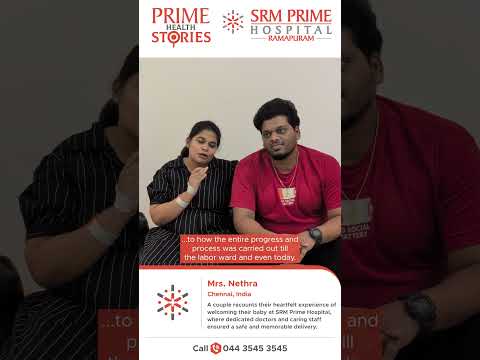
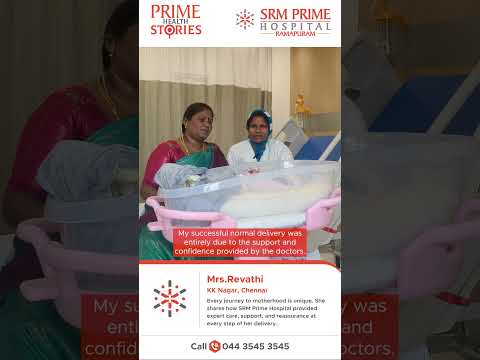
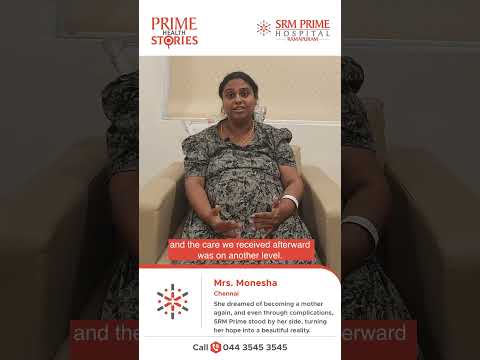
Thousands of patients have trusted us during their most important health moments. Their stories reflect the expertise of our doctors, the clarity of our guidance, and the compassion that supports them at every stage of their treatment.








Frequently Asked Questions
Girls should ideally have their first gynaecology consultation at around 13–15 years — or earlier if there are concerns about delayed puberty, severe period pain, or menstrual irregularity. For women of reproductive age, an annual gynaecology check-up is recommended from age 21, including cervical cancer screening. Any woman experiencing irregular periods, pelvic pain, abnormal bleeding, vaginal discharge, or difficulty conceiving should consult a gynaecologist without delay.
High-risk pregnancies are managed by our senior O&G consultants with a structured monitoring protocol tailored to each specific condition — whether GDM, PIH, preeclampsia, multiple pregnancy, IUGR, or placenta praevia. This includes more frequent antenatal visits, targeted ultrasound scans and Doppler studies, specialised blood tests, multidisciplinary input from endocrinology or nephrology where needed, and a planned delivery approach optimised for maternal and fetal safety.
In a normal vaginal delivery, the baby is born through the birth canal. In a caesarean section (LSCS), the baby is delivered through a surgical incision in the abdomen and uterus. Our team strongly supports and facilitates normal vaginal delivery wherever it is safe for mother and baby. Caesarean section is performed when there is a medical indication — fetal distress, malpresentation, placenta praevia, failure to progress in labour, or maternal request after thorough counselling. Our goal is always the safest outcome for both mother and child.
Laparoscopic (keyhole) hysterectomy is a well-established, safe, and effective procedure when performed by trained minimally invasive surgeons. Compared to open abdominal hysterectomy, it offers significantly less post-operative pain, reduced blood loss, shorter hospital stay (2–3 days vs 5–7 days), faster return to normal activities (2–3 weeks vs 6–8 weeks), and better cosmetic outcomes. Our team has extensive experience in laparoscopic and robotic hysterectomy.
Yes — PCOS is highly manageable, and the majority of women with PCOS can achieve pregnancy with appropriate treatment. The foundation of PCOS management is lifestyle modification — even modest weight loss (5–10% of body weight) significantly improves ovulation rates, hormonal balance, and fertility in overweight patients. Medical treatment with clomiphene citrate or letrozole restores ovulation in the majority of patients. For those who do not respond, laparoscopic ovarian drilling (LOD) or IVF are effective options.
We perform liquid-based cytology (LBC) Pap smear and high-risk HPV co-testing. Women aged 21–29 should have a Pap smear every 3 years. Women aged 30–65 should have a Pap smear plus HPV co-test every 5 years (preferred) or a Pap smear every 3 years. If a result is abnormal, we perform colposcopy with directed biopsy and manage CIN (cervical intraepithelial neoplasia) accordingly. We also provide HPV vaccination (Cervarix and Gardasil) for eligible patients.
We provide a complete infertility evaluation — including hormonal blood tests, pelvic ultrasound and ovarian reserve assessment (AMH, AFC), HSG for tubal patency, and semen analysis. Treatment options include ovulation induction (clomiphene or letrozole with monitoring), IUI with ovarian stimulation, surgical management of infertility-related conditions (endometriosis, fibroids, tubal disease), and referral and co-management for IVF and ICSI. We assess and treat both partners together for a comprehensive approach.
Cosmetic gynaecology refers to procedures that address the aesthetic and functional aspects of the female genitalia. Our team includes a Diploma-certified cosmetic gynaecologist (ICCG) offering procedures such as labiaplasty (labial reduction), vaginal tightening (vaginoplasty), PRP vaginal rejuvenation, and vulvar aesthetics. All procedures are performed with a strong emphasis on informed consent, patient safety, and realistic outcome expectation. A thorough pre-procedure consultation is mandatory.
Blog & Articles
Latest Updates & Health Insights

Recognising Diabetic Foot Problems Before They Get Worse
Learn about diabetic foot symptoms, early warning signs, daily checks and when changes like wounds, swelling or colour changes need medical care.
How to Choose the Right Specialist at SRM Prime Hospital
Learn how to choose the right SRM Prime Hospital specialist doctors based on symptoms, diagnosis, medical history and the specialist care you may need.
SRM PRIME Zone: Free Healthcare Benefits for Families Within 5 km of Ramapuram
SRM PRIME Zone: Get your free SRM PRIME Card if you live within 5 km of Ramapuram. 2 free specialist consults, 20% off lab tests, free ambulance and more.

Vomiting: Causes in Adults and Children and When It Becomes Serious
Learn the common vomiting causes in adults and children, warning signs, dehydration risks, and when vomiting needs prompt medical attention and evaluation.

How to Book an Appointment at SRM Prime Hospital
Learn how to book an appointment at SRM Prime Hospital, choose the right specialist, prepare medical records, and plan your consultation with confidence.
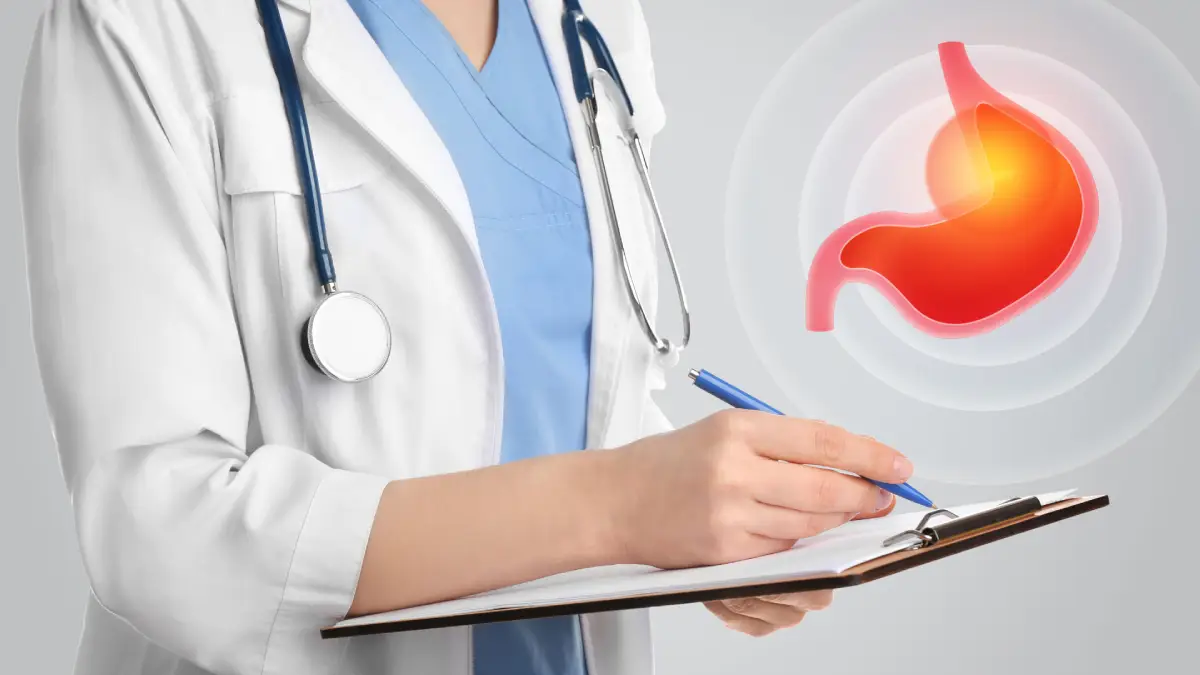
Acidity Symptoms: When Everyday Heartburn May Be Signalling More Than Indigestion
Learn about acidity symptoms, common triggers, warning signs and when recurring heartburn may need medical assessment for reflux or GORD.
Request a Callback
Can’t Find What You’re Looking For?