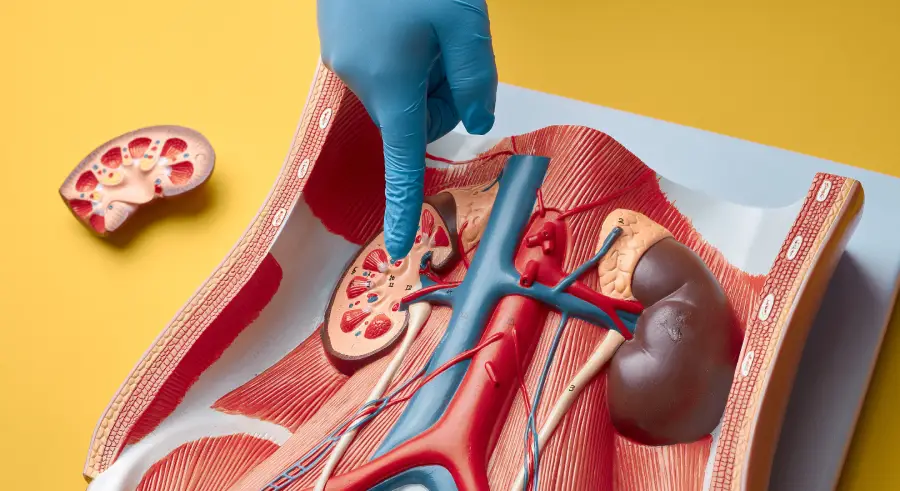

Blood in urine, medically known as haematuria, may cause urine to appear pink, red or dark brown. Sometimes, blood is detected only through laboratory testing, even when urine looks normal. Understanding blood in urine helps identify whether bleeding is linked to urinary infections, kidney stones, prostate conditions or kidney disease. Although several conditions are treatable, visible blood in urine requires medical assessment, even without pain. Identifying blood in urine causes early helps doctors recommend appropriate investigations and treatment.
What Is Haematuria and Why Does It Occur?
Haematuria occurs when red blood cells enter urine from the kidneys or urinary tract.
There are two main types:
- Visible haematuria: Blood changes the urine's colour to pink, red or brown.
- Microscopic haematuria: Blood cells are detected during laboratory testing without visible colour changes.
Understanding blood in urine causes also involves identifying where bleeding originates. The kidneys, ureters, bladder and urethra can all be possible sources.
Blood in Urine Causes: Common Medical Conditions
Haematuria can result from several conditions affecting the kidneys, bladder or urinary tract.
1. Urinary Tract Infections (UTIs)
Bacterial infections can irritate the urinary tract lining and cause bleeding.
Common symptoms include:
- Burning during urination
- Frequent urge to urinate
- Cloudy or strong-smelling urine
- Lower abdominal discomfort
Urinary infections are among the common blood in urine causes, particularly when bleeding occurs with painful urination.
2. Kidney Stones
Kidney stones develop when minerals form hard deposits within the kidneys. These deposits may irritate urinary tissues and cause bleeding.
Patients may experience sharp pain in the back, side or groin, sometimes accompanied by nausea.
3. Kidney Infections
Kidney stones form when minerals in the urine crystallise and build up into hard deposits inside the kidneys. Prompt treatment is important because untreated infections can affect kidney function.
4. Enlarged Prostate
Benign prostate enlargement may contribute to urinary bleeding, particularly in older men.
Associated symptoms include difficulty starting urination, a weak urinary stream and frequent urination at night.
Prostate enlargement is one of the possible blood in urine causes in men and may require specialist evaluation.
5. Kidney Diseases
Conditions such as glomerulonephritis affect the kidney's filtering structures, allowing red blood cells to enter urine.
Additional symptoms may include swelling, high blood pressure or protein in urine.
6. Bladder or Kidney Tumours
Blood in urine can occasionally indicate bladder or kidney cancer. Bleeding may occur without pain, making medical investigation important.
Although less common than infections, tumours remain among the serious blood in urine causes that doctors must consider.
When Is Blood in Urine Serious?
Visible haematuria requires prompt medical assessment, even when it occurs only once.
Warning signs include:
- Repeated urinary bleeding
- Blood clots during urination
- Persistent back or side pain
- Fever with urinary symptoms
- Difficulty passing urine
Seek emergency medical attention if bleeding occurs alongside an inability to urinate, severe pain, heavy bleeding or signs of serious illness.
Recognising serious blood in urine causes is especially important when bleeding is painless or keeps returning.
Which Tests Help Identify Blood in Urine Causes?
Doctors recommend investigations based on symptoms, medical history and examination findings.
Urinalysis
A urine test detects red blood cells and checks for infection, protein or other abnormalities.
Urine Culture
A urine culture identifies bacteria when infection is suspected and helps guide antibiotic treatment.
Blood Tests
Blood tests assess kidney function and identify abnormalities associated with infection or significant bleeding.
Ultrasound or CT Scan
Imaging helps identify kidney stones, urinary obstruction, structural abnormalities or suspicious growths.
Cystoscopy
A specialist uses a thin instrument with a camera to examine the bladder and urethra.
These investigations help distinguish different blood in urine causes and determine whether further specialist assessment is necessary.
How Is Haematuria Treated?
Treatment depends on the underlying diagnosis rather than the amount of visible bleeding.
Common approaches include:
- Antibiotics: Treat confirmed bacterial urinary infections.
- Kidney stone treatment: Medicines or procedures based on stone size and location.
- Prostate treatment: Medicines or selected procedures for prostate-related problems.
- Kidney disease management: Treatment directed at the diagnosed condition.
- Specialist care: Further assessment and appropriate treatment for tumours or structural abnormalities.
Since blood in urine causes vary, treatment should follow a confirmed diagnosis rather than assumptions based on symptoms.
Frequently Asked Questions
1. Can blood in urine occur without pain?
Yes. Painless haematuria may occur with bladder, kidney or urinary tract conditions and requires medical assessment.
2. Can dehydration cause blood in urine?
Dehydration can darken urine but does not usually directly cause haematuria. Confirmed bleeding requires investigation.
3. Is blood in urine always related to kidney disease?
No. Common blood in urine causes include urinary infections, kidney stones and prostate conditions.
4. Can medicines cause haematuria?
Certain medicines, including blood thinners, may contribute to bleeding. Patients should not stop prescribed medicines without medical advice.
5. Can haematuria disappear without treatment?
Bleeding may stop temporarily while the underlying condition remains. Medical evaluation is still necessary.
6. Which specialist treats haematuria?
A general physician may conduct initial tests and refer patients to a urologist or kidney specialist when required.
Conclusion
Identifying blood in urine causes is essential for selecting appropriate treatment and recognising conditions that require specialist attention. Early assessment helps determine whether bleeding results from infection, kidney stones, prostate disorders or other urinary conditions.
Patients experiencing haematuria can consult SRM Prime Hospital for medical evaluation, diagnostic investigations and treatment guidance based on their clinical findings.