

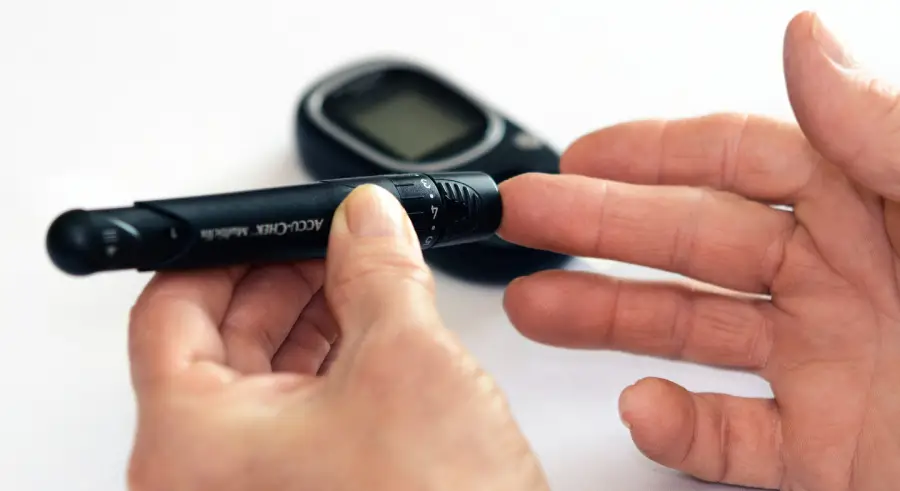
Diabetes can affect much more than blood sugar levels. Over time, high blood glucose can damage the tiny blood vessels that nourish the retina, the part of the eye that receives light and sends visual signals to the brain. This damage can lead to diabetic retinopathy, a condition that may gradually affect vision and, in advanced cases, cause serious sight loss. The challenge is that diabetic retinopathy can develop quietly, without obvious symptoms in its early stages.
What Is Diabetic Retinopathy?
Diabetic retinopathy develops when prolonged high blood sugar affects the blood vessels in the retina. These vessels may become weak, blocked or leaky. As the condition progresses, the retina may receive less healthy blood flow, while damaged vessels can leak fluid or blood into the eye.
In advanced disease, the retina may respond by forming abnormal new blood vessels. These vessels are fragile and can bleed easily. Scar tissue can also develop and pull on the retina, creating further complications. One important complication is diabetic macular edema (DME). In this condition, fluid builds up in the macula, the central area of the retina responsible for sharp, detailed vision. This swelling can cause central vision to become blurred.
Diabetic Retinopathy Can Begin Without Warning
One of the biggest concerns with diabetic retinopathy is the lack of early symptoms. A person may be able to read, work and carry out everyday activities normally while changes are already occurring inside the eye.
As retinal damage becomes more advanced, symptoms may include:
- Blurred or fluctuating vision
- Difficulty seeing clearly
- Dark spots or floating shapes
- Cobweb-like lines in the field of vision
- Distorted central vision
- Reduced vision
Sudden changes should not be ignored. A sudden increase in floaters, flashes or a shadow across the field of vision requires prompt assessment because serious retinal complications can sometimes present this way.
Who Is More Likely to Develop Diabetic Retinopathy?
Anyone with diabetes can develop retinal complications. The risk generally rises with the length of time a person has diabetes. Blood sugar control also plays an important role.
Other factors that can increase the risk of diabetes-related eye damage include:
- High blood pressure
- High cholesterol
- Poorly controlled blood glucose
- Long-standing diabetes
- Pregnancy in women with diabetes
How Is Diabetic Retinopathy Detected?
A comprehensive dilated eye examination allows an ophthalmologist to examine the retina for changes that may not be visible through everyday vision.
During the examination, eye drops are used to widen the pupils. The ophthalmologist can then look for signs such as abnormal blood vessels, bleeding, retinal swelling or other changes.
For people with diabetes, regular eye examinations are important even when there are no vision complaints. A comprehensive dilated eye examination is generally recommended at least once a year, although some patients may need examinations more frequently.
How Can Diabetic Retinopathy Be Prevented?
There is no guarantee that diabetic retinopathy can be completely prevented. However, controlling the factors that contribute to retinal damage can reduce the risk and help slow progression.
1. Keep Blood Sugar Under Control
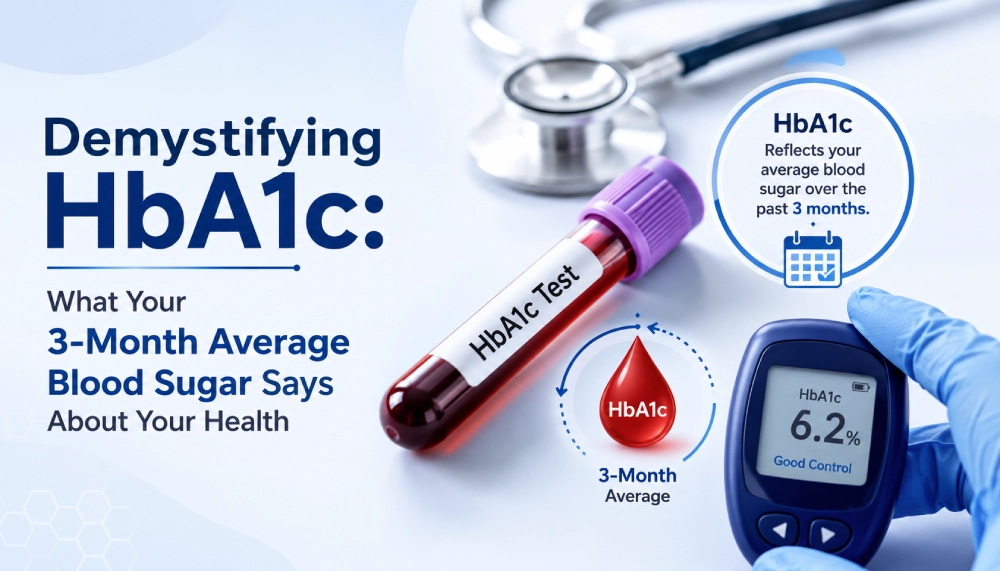
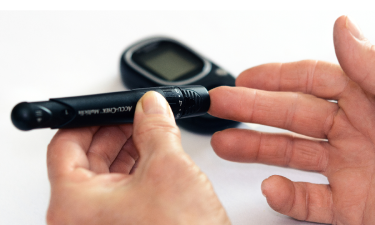
Following the diabetes treatment plan is one of the most important steps. Regular monitoring and HbA1c testing can help the treating doctor understand how well blood glucose is being managed.
2. Monitor Blood Pressure and Cholesterol
Diabetes combined with high blood pressure or high cholesterol can increase the risk of vision complications. Managing these conditions is therefore part of protecting the eyes.
3. Do Not Skip Eye Examinations
An annual eye examination should not be treated as optional simply because vision appears normal. Retinal changes can be detected before noticeable symptoms develop.
4. Follow the Prescribed Treatment Plan
Diabetes medicines, insulin and medicines for associated conditions should be taken as advised by the treating doctor.
5. Maintain Healthy Daily Habits
Regular physical activity, nutritious food choices and avoiding smoking can support better overall diabetes management and eye health.
What Treatments Are Available?
Treatment depends on the stage of diabetic retinopathy and whether complications such as diabetic macular edema are present.
When treatment is required, options can include:
- Anti-VEGF injections: These medicines can reduce abnormal blood vessel activity and retinal swelling in suitable patients.
- Steroid treatment: Steroids may be considered for certain cases involving retinal swelling.
- Laser treatment: Laser therapy may be used for selected cases of advanced diabetic retinopathy.
- Vitrectomy surgery: Surgery may be recommended when there is significant bleeding, scar tissue or other serious retinal complications.
Treatment is selected according to the retinal findings, severity of disease and the patient's overall eye health.
Frequently Asked Questions
Can diabetic retinopathy occur when vision is normal?
Yes. Early diabetic retinopathy may not cause noticeable symptoms. This is why regular retinal examinations are important for people with diabetes.
Can diabetic retinopathy cause blindness?
Advanced diabetic retinopathy can cause severe vision loss. Early detection and appropriate treatment can help reduce the risk of serious visual damage.
Is diabetic retinopathy reversible?
Treatment can control or slow the disease and protect remaining vision, but established retinal damage or vision loss may not always be completely reversible. The earlier significant changes are identified, the more opportunities there are to manage them.
How often should a person with diabetes have an eye check-up?
A comprehensive dilated eye examination is generally recommended at least once a year, but the interval can be shorter when retinal disease is present or the ophthalmologist identifies a higher risk.
Conclusion
Diabetic retinopathy can progress quietly, which makes prevention and regular screening particularly important for anyone living with diabetes. Good blood glucose control, management of blood pressure and cholesterol, healthy daily habits and timely eye examinations all have a role in protecting retinal health.
Most importantly, a person should not wait for vision to deteriorate before getting the eyes checked. Early retinal changes can be identified during an eye examination even when day-to-day vision seems normal. For evaluation, screening and management of diabetic eye conditions, patients can consult the ophthalmology team at SRM Prime Hospital for appropriate assessment and treatment based on their individual condition.














-vs-ESWL-Which-Procedure-is-Right-for-You.webp)










.webp)
.webp)

.webp)
+(1).webp)
.webp)