

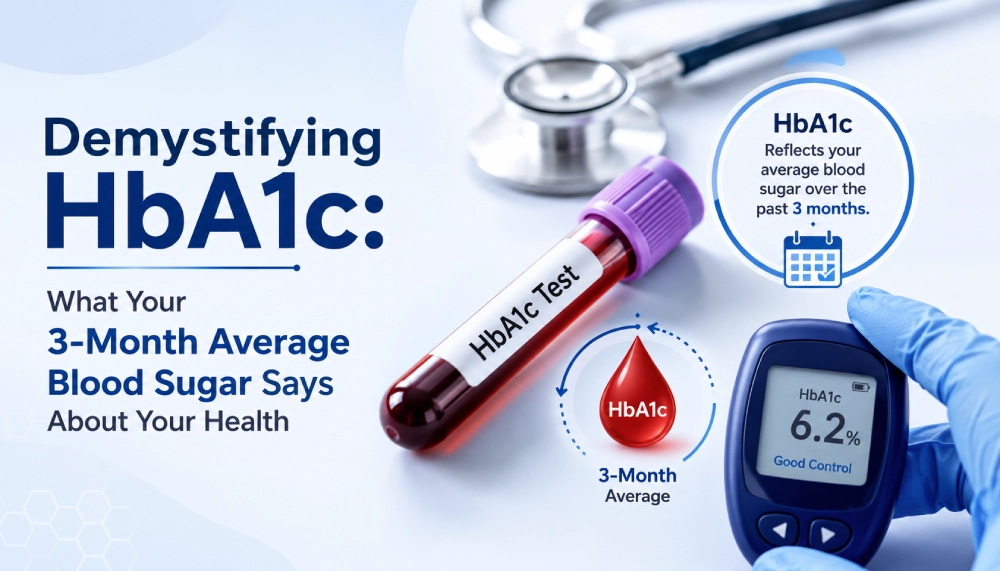
Managing blood sugar is not just about checking glucose levels on a single day. For people with diabetes or those at risk of developing it, understanding long-term blood sugar control is equally important. This is where the HbA1c test plays a vital role.
Often referred to as the “3-month average blood sugar test,” HbA1c helps doctors understand how well blood glucose levels have been controlled over time. It is one of the most important tools used to diagnose diabetes, monitor treatment effectiveness, and prevent long-term complications.
What is HbA1c?
HbA1c, also known as glycated hemoglobin, is a blood test that measures the percentage of hemoglobin coated with sugar (glucose).
Hemoglobin is the protein in red blood cells responsible for carrying oxygen throughout the body. Since red blood cells typically live for about three months, the HbA1c test reflects the average blood sugar levels over the previous 8–12 weeks.
Unlike a regular blood sugar test, which shows glucose levels at a specific moment, HbA1c provides a broader picture of long-term glucose control.
Why is the HbA1c Test Important?
The HbA1c test helps in:
- Diagnosing prediabetes and diabetes
- Monitoring diabetes management
- Evaluating treatment effectiveness
- Assessing the risk of diabetes-related complications
- Guiding lifestyle and medication adjustments
Consistently high HbA1c levels can increase the risk of complications affecting the heart, kidneys, nerves, eyes, and blood vessels.
Understanding HbA1c Levels
HbA1c levels help determine whether your blood sugar is within a healthy range or indicates diabetes.
- Below 5.7% – Normal: Blood sugar levels are within the healthy range.
- 5.7% to 6.4% – Prediabetes: Indicates higher-than-normal blood sugar levels and an increased risk of developing type 2 diabetes.
- 6.5% or higher – Diabetes: Suggests diabetes and requires medical evaluation and appropriate treatment.
HbA1c Target for People with Diabetes
- Many people with diabetes are advised to maintain an HbA1c level below 7%.
- Your target may vary based on factors such as age, overall health, existing medical conditions, and your doctor's recommendations.
- Regular HbA1c testing helps monitor long-term blood sugar control and assess the effectiveness of your diabetes management plan.
What Causes HbA1c Levels to Rise?
Several factors can contribute to elevated HbA1c levels:
1. Poor Blood Sugar Control
Frequent spikes in blood glucose due to uncontrolled diabetes can raise HbA1c significantly.
2. Unhealthy Diet
High intake of sugary foods, processed carbohydrates, and unhealthy eating habits may increase blood sugar levels over time.
3. Lack of Physical Activity
Sedentary lifestyles reduce the body’s ability to use insulin efficiently.
4. Stress and Poor Sleep
Chronic stress and inadequate sleep can affect hormone balance and glucose metabolism.
5. Inconsistent Medication Use
Skipping diabetes medications or insulin therapy may lead to poor glucose control.
Symptoms That May Indicate High Blood Sugar
People with elevated HbA1c levels may experience:
- Frequent urination
- Excessive thirst
- Fatigue
- Blurred vision
- Slow wound healing
- Increased hunger
- Unexplained weight loss
- Recurrent infections
However, some individuals may have high HbA1c levels without obvious symptoms, which is why routine screening is important.
How Often Should HbA1c Be Tested?
Doctors may recommend HbA1c testing:
- Every 3 months for individuals with uncontrolled diabetes
- Every 6 months for patients with stable glucose control
- Annually for individuals at risk of diabetes
Regular testing helps track progress and identify the need for treatment modifications.
How to Improve HbA1c Levels
Maintain a Balanced Diet
Focus on:
- Whole grains
- Vegetables
- Fruits in moderation
- Lean proteins
- Healthy fats
- Fiber-rich foods
Limiting sugary beverages and processed foods can help stabilize glucose levels.
Exercise Regularly
Physical activity improves insulin sensitivity and supports healthy blood sugar control. Activities such as walking, cycling, yoga, and swimming can be beneficial.
Follow Medication Instructions
Taking medications consistently and monitoring blood glucose as advised by healthcare providers is essential.
Manage Stress
Relaxation techniques, adequate sleep, meditation, and healthy routines can help reduce stress-related glucose fluctuations.
Monitor Overall Health
Managing blood pressure, cholesterol, weight, and kidney health is equally important in diabetes care.
The Role of Early Detection
Prediabetes and early-stage diabetes often remain undiagnosed for years. HbA1c testing allows early identification of blood sugar abnormalities before severe complications develop.
Timely diagnosis and intervention can help:
- Delay or prevent diabetes
- Reduce cardiovascular risks
- Protect kidney and eye health
- Improve quality of life
Advanced Diabetes Care at SRM Prime Hospitals
SRM Prime Hospital provides comprehensive diabetes screening, diagnosis, and management services with a patient-focused approach. The hospital’s experienced endocrinologists, diabetologists, nutritionists, and multidisciplinary specialists work together to help patients achieve better glucose control and long-term wellness.
The diabetes care services include:
- HbA1c and advanced blood sugar testing
- Personalised diabetes treatment plans
- Nutritional counseling
- Lifestyle modification guidance
- Preventive screening for diabetes complications
- Long-term diabetes management support
With advanced diagnostic facilities and expert care teams, SRM Hospitals focuses on helping patients manage diabetes effectively while improving their overall health and quality of life.
Conclusion
The HbA1c test is much more than just a number — it offers valuable insight into your long-term blood sugar control and overall health. Understanding your HbA1c levels can help detect diabetes early, guide treatment decisions, and reduce the risk of serious complications.
Whether you are living with diabetes, at risk of developing it, or simply prioritizing preventive healthcare, regular HbA1c testing and healthy lifestyle choices can make a significant difference in maintaining long-term wellness.



















-vs-ESWL-Which-Procedure-is-Right-for-You.webp)










.webp)
.webp)

.webp)
+(1).webp)
.webp)