The heart relies on electrical signals to maintain a steady rhythm and pump blood throughout the body. When these signals become delayed or interrupted, the heartbeat may become unusually slow or irregular. In certain cases, pacemaker implantation is recommended to maintain an appropriate heart rate and prevent complications. The procedure involves placing a small electronic device that monitors the heartbeat and delivers electrical impulses when needed. Understanding when a pacemaker is necessary, how the procedure works and what recovery involves can help patients make informed treatment decisions.
What Is Pacemaker Implantation and How Does It Work?
Pacemaker implantation is a cardiac procedure in which a small, battery-powered device is placed inside the body to regulate abnormal heart rhythms.
The device monitors the heart's electrical activity. When it detects a heartbeat that is too slow or a missed beat, it sends an electrical impulse to stimulate the heart muscle.
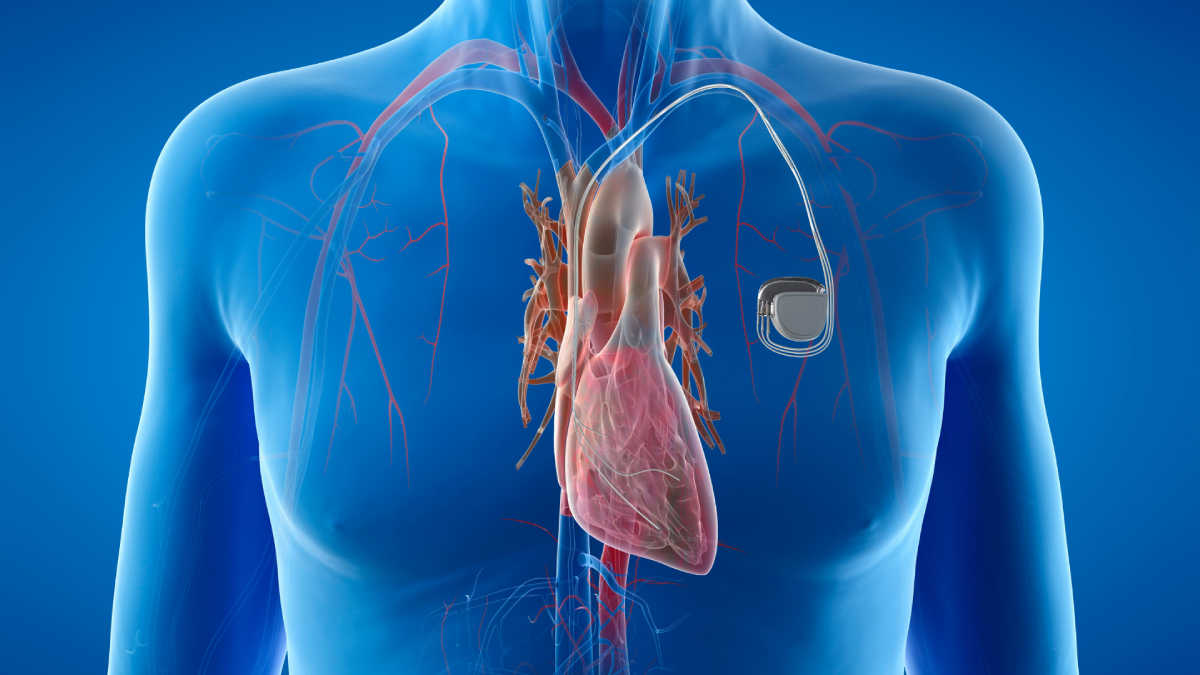
A conventional pacemaker has two main components:
- Pulse generator: Contains the battery and electronic circuits that control pacing.
- Leads: Insulated wires that carry electrical signals between the device and the heart.
Some newer pacemakers are leadless and are placed directly inside the heart.
The device is programmed according to the patient's medical condition and required heart rate.
When Is Pacemaker Implantation Necessary?
Not every abnormal heartbeat requires a pacemaker. Cardiologists consider the underlying condition, symptoms and results of cardiac investigations before recommending treatment.
1. Bradycardia
Bradycardia occurs when the heart beats unusually slowly. Although a low heart rate can be normal in some individuals, it may become concerning when the heart cannot maintain adequate blood circulation.
Pacemaker implantation may be considered when persistent bradycardia causes fainting, dizziness or significant fatigue.
2. Heart Block
Heart block develops when electrical signals travelling between the upper and lower chambers of the heart become delayed or interrupted.
Advanced heart block may require a permanent pacemaker to maintain a reliable heartbeat.
3. Sick Sinus Syndrome
The sinus node controls the heart's natural rhythm. When it functions poorly, the heartbeat may become excessively slow, pause unexpectedly or alternate between fast and slow rhythms.
A pacemaker may help manage clinically significant slow rhythms associated with this condition.
4. Certain Heart Failure Conditions
Some patients with heart failure experience poor coordination between the heart's pumping chambers.
A specialised pacemaker used for cardiac resynchronisation therapy may improve the timing of heart contractions in selected patients.
What Symptoms Suggest the Need for a Pacemaker?
Symptoms alone cannot confirm whether pacemaker implantation is necessary. However, certain signs may indicate a disturbance in the heart's electrical system.
Common symptoms include:
- Repeated dizziness or light-headedness
- Unexplained fainting episodes
- Persistent tiredness
- Breathlessness
- Unusually slow heartbeat
- Reduced physical endurance
Cardiologists may recommend an electrocardiogram (ECG), Holter monitoring, echocardiography or blood tests to identify the cause.
Sudden fainting, severe breathlessness or chest pain requires immediate medical assessment.
How Is Pacemaker Implantation Performed?
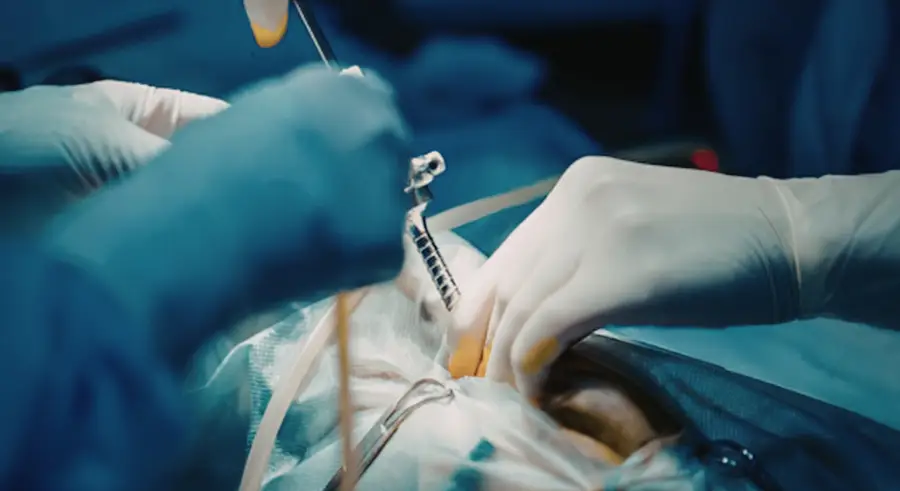
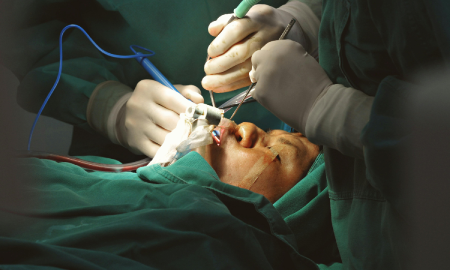
Conventional pacemaker implantation is usually performed under local anaesthesia, sometimes with sedation.
The procedure generally involves the following steps:
- Preparation: The medical team monitors the patient's heart rhythm and vital signs.
- Incision: A small opening is made below the collarbone.
- Lead placement: One or more leads are guided through a vein into the heart.
- Device positioning: The pulse generator is positioned beneath the skin.
- Testing: The cardiologist checks the device's electrical function before closing the incision.
The procedure often takes approximately one hour, although complex cases may require longer.
Most patients remain in hospital overnight for observation.
What Is the Recovery Timeline After Pacemaker Implantation?
Recovery depends on the patient's health, pacemaker type and whether complications develop.
First 24–48 Hours
Mild soreness, bruising and swelling near the incision are common. The medical team checks the wound and confirms that the device is functioning correctly.
First Two Weeks
Patients should follow instructions regarding wound care, prescribed medicines and physical activity.
Heavy lifting and strenuous upper-body movements should be avoided until the treating team advises otherwise.
Four to Six Weeks
During early healing, patients with conventional pacemakers may need to avoid raising the affected arm above shoulder height or placing excessive strain on it.
These restrictions help reduce the risk of lead displacement. Recovery instructions may differ for leadless devices.
Long-Term Recovery
Most patients can gradually resume their usual activities following medical clearance.
Regular pacemaker checks are necessary to monitor battery status, device settings and electrical performance.
What Precautions Are Important After Pacemaker Surgery?
Following medical instructions helps reduce the likelihood of complications after pacemaker implantation.
Patients should:
- Maintain proper hygiene around the incision and follow the recommended wound-care instructions.
- Avoid pressure or injury near the implanted device.
- Carry their pacemaker identification card.
- Inform healthcare professionals before MRI scans or other medical procedures.
- Attend scheduled cardiology reviews.
- Follow individual medical advice before resuming driving.
Increasing redness, discharge, fever, worsening swelling or recurring dizziness should prompt medical assessment.
Frequently Asked Questions About Pacemaker Implantation
1. Is pacemaker implantation a major surgery?
Conventional implantation is usually a minimally invasive procedure performed under local anaesthesia. It does not generally require open-heart surgery.
2. How long does a pacemaker battery last?
Pacemaker batteries commonly last around 5–15 years, depending on the device and its usage. Regular checks help determine when replacement is necessary.
3. Is pacemaker implantation painful?
Patients receive local anaesthesia during the procedure. Mild discomfort or soreness around the incision may occur afterwards.
4. Can patients live normally with a pacemaker?
Following recovery, most patients can gradually resume their regular activities. Individual restrictions depend on their heart condition and medical advice.
5. Does a pacemaker require regular monitoring?
Yes. Routine follow-up appointments allow cardiologists to assess device function, battery life and pacing requirements.
Conclusion
Pacemaker implantation is an established treatment for selected heart rhythm disorders, particularly when electrical conduction problems cause an excessively slow heartbeat. Appropriate diagnosis, careful device selection and regular monitoring are important for successful long-term management.
At SRM Prime Hospital, patients experiencing symptoms of abnormal heart rhythms can consult the cardiology team for cardiac evaluation and guidance on suitable treatment options, including pacemaker implantation when clinically indicated.