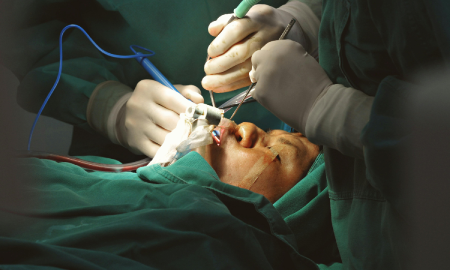


A sudden inability to speak clearly, unexpected weakness in the limbs or changes in vision may indicate a problem with the brain's blood supply. A stroke can affect essential body functions within minutes, making immediate medical attention necessary. Stroke treatment focuses on identifying the cause, limiting further brain injury and selecting an appropriate intervention based on the patient's condition.
The golden hour, thrombolysis and mechanical thrombectomy are important developments in emergency stroke care. Understanding these approaches helps explain how doctors make time-sensitive decisions and why early access to stroke treatment matters.
Why Does the Golden Hour Matter in Stroke Treatment?
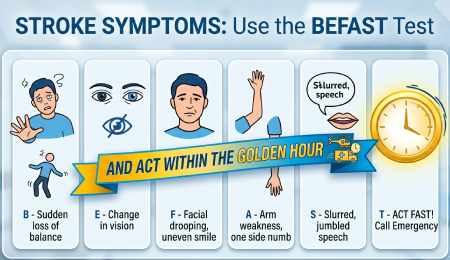
The golden hour highlights the importance of beginning medical assessment as soon as stroke symptoms appear. It is not a strict 60-minute deadline. Rather, it represents the value of acting early, when intervention may help preserve more brain tissue.
Doctors also consider the last known well time, which records when the person was last seen without symptoms. This becomes particularly important when someone wakes up with signs of a stroke.
Delaying stroke treatment can reduce the opportunity to use certain emergency procedures. Anyone experiencing sudden neurological changes should receive immediate medical assessment.
How Do Doctors Recognise and Diagnose a Stroke?
A stroke can affect different functions depending on the region of the brain involved. Some people develop speech difficulties, while others experience changes in movement, vision or coordination.
The BE FAST method helps identify possible symptoms:
- Balance: Sudden problems with coordination.
- Eyes: Unexpected changes in vision.
- Face: Uneven facial movement.
- Arms: Weakness or numbness in an arm.
- Speech: Difficulty speaking or understanding language.
- Time: Call emergency services (or an ambulance) immediately.
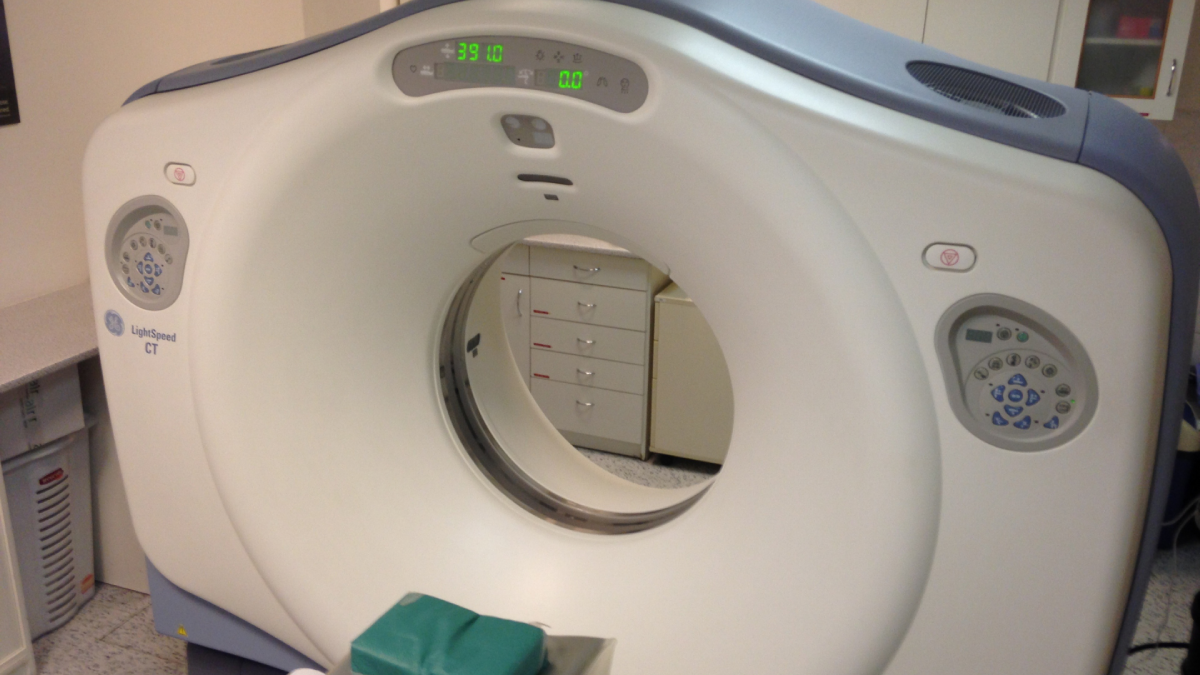
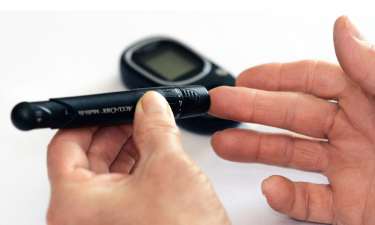
At the hospital, doctors assess neurological function, blood glucose and other vital signs. An urgent CT scan helps establish whether bleeding is present. Further imaging may identify blocked arteries and assess the affected brain tissue.
These investigations guide stroke treatment by helping doctors distinguish between conditions that require very different interventions.
Why Does the Type of Stroke Change the Treatment?
There are two main types of stroke, and each requires a different medical approach.
Ischaemic stroke: Occurs when a clot restricts or completely blocks blood flow through an artery that carries blood to the brain. The resulting reduction in circulation can damage surrounding tissue. Treatment may involve medication to dissolve the clot or a procedure to remove it.
Haemorrhagic stroke: A blood vessel ruptures, allowing blood to collect within or around the brain. Doctors aim to control the bleeding, manage blood pressure and reduce pressure on surrounding structures. Selected cases require surgery.
Accurate diagnosis is essential because clot-dissolving medicines used in ischaemic stroke can be dangerous when bleeding is responsible for the symptoms.
Thrombolysis: Breaking Down the Blood Clot
Thrombolysis uses specialised medication to break down a clot obstructing blood circulation in the brain. It is an important option in emergency stroke care for eligible patients with acute ischaemic stroke.
Medicines such as alteplase and tenecteplase can be delivered directly into a vein to help dissolve the clot.
Before recommending this approach, doctors examine:
- The time since symptoms began.
- The patient's brain imaging results.
- Previous medical conditions and medication use.
- The possibility of bleeding complications.
Intravenous thrombolysis is generally considered within 4.5 hours of symptom onset in eligible patients. Certain patients may qualify through specialised imaging-based selection. The potential benefit must always be weighed against the risk of bleeding.
Mechanical Thrombectomy: Removing the Clot Directly
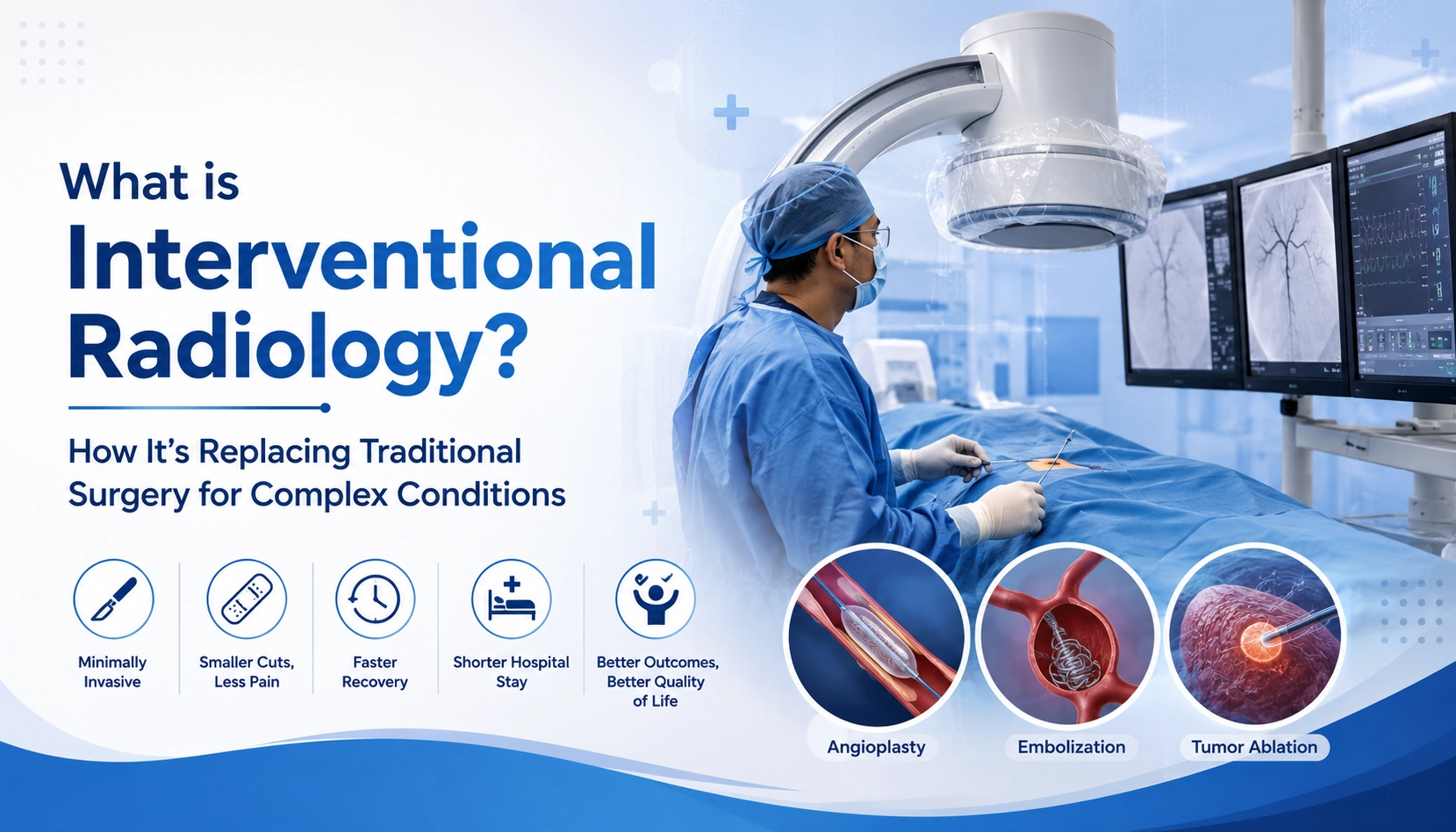
When a major artery supplying the brain becomes blocked, mechanical thrombectomy may offer another option for acute stroke care.
Instead of relying on medication to dissolve the obstruction, this procedure allows a specialist to reach the affected artery and extract the clot.
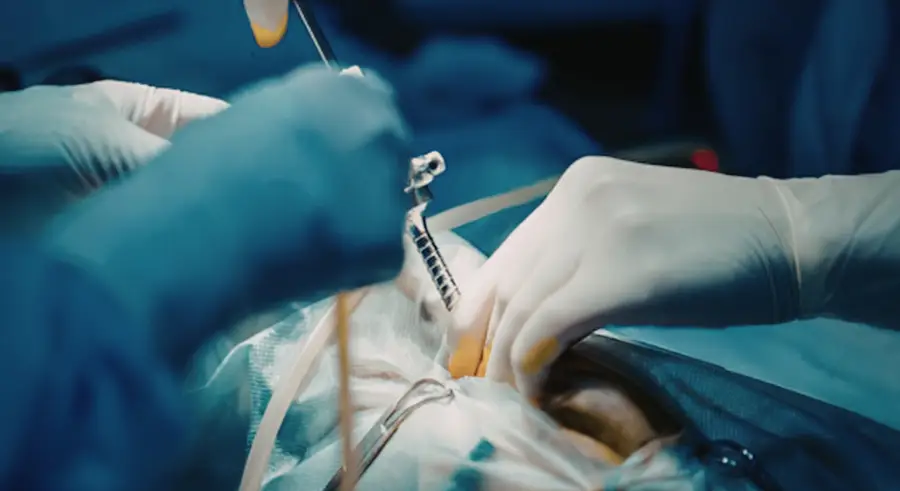
A catheter is introduced through an artery, usually in the groin or wrist. Using imaging guidance, the specialist advances it towards the blockage. A stent retriever or aspiration device is then used to remove the clot and help restore circulation.
This procedure is generally considered within 6 hours of symptom onset. Selected patients may benefit up to 24 hours after their last known well time, provided advanced imaging supports intervention.
Which Stroke Treatment Is Appropriate?
Thrombolysis and thrombectomy are not competing procedures. They address a blockage through different methods and may sometimes be used together.
The choice of treatment depends on:
- Whether a large artery is blocked.
- The location of the obstruction.
- How much brain tissue is affected.
- The time elapsed since symptoms began.
- The patient's overall medical condition.
A specialist team of doctors uses these findings to determine the most suitable approach. Neither procedure is appropriate for every patient.
What Happens After Stroke Treatment?
The end of emergency intervention does not necessarily mean that the effects of a stroke have disappeared. Some individuals may need continued support for difficulties affecting movement, communication or daily activities.
Rehabilitation following a stroke may involve:
- Physiotherapy: To address reduced strength and movement.
- Speech therapy: To manage language and swallowing difficulties.
- Occupational therapy: To develop skills needed for everyday tasks.
- Preventive medication: To manage underlying risk factors and reduce the possibility of another stroke.
The rehabilitation plan is adjusted according to the individual's progress and specific needs. Regular follow-up also helps doctors assess recovery and review preventive care.
Frequently Asked Questions
1. Is the golden hour a fixed deadline for stroke treatment?
No. It emphasises early medical intervention, but certain treatments remain possible beyond the first hour.
2. Can stroke treatment be provided after 4.5 hours?
Yes. Selected patients may qualify for mechanical thrombectomy up to 24 hours after they were last known to be well, depending on imaging findings.
3. Does thrombolysis remove the clot physically?
No. It uses medication to break down the clot. Mechanical thrombectomy physically extracts the obstruction.
4. Can a person recover completely after a stroke?
Recovery differs between individuals. Some regain most of their abilities, while others require long-term rehabilitation.
5. What should be done if stroke symptoms disappear?
Immediate medical assessment is still necessary. Temporary symptoms may indicate a transient ischaemic attack, which can signal an increased risk.
Conclusion
Effective stroke treatment involves recognising symptoms, identifying the type of stroke and making timely decisions about medical intervention. The golden hour reinforces the importance of early assessment, while thrombolysis and mechanical thrombectomy provide different options for eligible patients with ischaemic stroke.
At SRM Prime Hospital, Ramapuram, timely medical evaluation and appropriate specialist care are important in managing medical emergencies. Suspected stroke symptoms should never be ignored. Immediate emergency medical attention is essential.