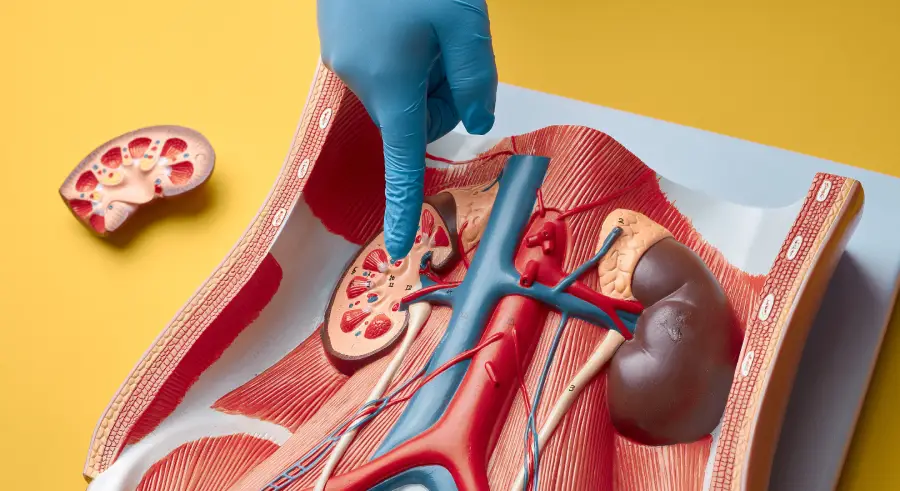


Nephrotic syndrome is a kidney disorder characterised by excessive protein loss through urine. It occurs when the kidney's filtering units, known as glomeruli, are damaged and allow proteins such as albumin to escape into the urine. Low albumin levels can lead to fluid build-up in body tissues, causing swelling.
The condition can affect both children and adults. Early recognition and identification of its underlying cause are important to prevent complications and preserve kidney function.
What Is Nephrotic Syndrome?
The kidneys normally filter waste and excess fluid from the blood while retaining essential proteins. In nephrotic syndrome, damage to the glomeruli disrupts this process, allowing significant amounts of protein to pass into the urine.
As protein levels in the blood decrease, fluid can move into surrounding tissues, resulting in swelling around the eyes, feet, ankles and abdomen.
Symptoms and Signs of Nephrotic Syndrome
Symptoms can appear slowly or develop within a short time. Common signs include:
- Swelling (oedema): Puffiness around the eyes, feet, ankles and abdomen.
- Foamy urine: Increased protein in urine can give it an unusually frothy appearance.
- Weight gain: Fluid accumulation may cause a sudden increase in body weight.
- Reduced appetite: Swelling in the abdomen may affect appetite.
- Fatigue: Changes in the body's fluid balance may contribute to tiredness.
Clinical findings identified through testing include:
- High cholesterol (hyperlipidaemia): Blood cholesterol levels may rise in response to reduced albumin levels.
These symptoms and clinical findings require medical evaluation and appropriate investigations.
What Causes Nephrotic Syndrome?
Nephrotic syndrome develops when the kidney's filtering units are damaged. Common causes include:
1. Kidney-Related Conditions
- Minimal change disease: A common cause in children that affects the normal functioning of kidney filters.
- Focal segmental glomerulosclerosis (FSGS): Leads to scarring in parts of the kidney's filtering units.
- Membranous nephropathy: A condition that affects the membranes of the glomeruli.
2. Other Medical Conditions
Certain health conditions can also contribute to kidney damage, including:
- Diabetes
- Systemic lupus erythematosus
- Hepatitis B and hepatitis C
- Certain cancers
- Some medications, particularly non-steroidal anti-inflammatory drugs (NSAIDs).
In some patients, the underlying cause may not be immediately identifiable.
How Is Nephrotic Syndrome Diagnosed?
Doctors may recommend different investigations to measure protein loss and examine kidney function.
- Urine tests: Identify and measure excess protein in urine.
- Blood tests: Assess albumin, cholesterol and kidney function.
- Kidney ultrasound: Provides images to examine kidney structure.
- Kidney biopsy: May be advised to determine the specific kidney disease causing the condition.
The findings help doctors decide on the most suitable treatment.
Treatment Options for Nephrotic Syndrome
Treatment is selected according to the underlying cause, the patient's age and the severity of the condition.
1. Medications
Doctors may prescribe:
- Corticosteroids: Commonly used to treat minimal change disease.
- Blood pressure medications: ACE inhibitors or ARBs may help control blood pressure and limit protein loss through urine.
- Diuretics: Help the body eliminate excess fluid and control swelling.
- Cholesterol-lowering medications: May be recommended when blood cholesterol levels are elevated.
- Immunosuppressants: Used in selected cases involving immune system abnormalities.
Not every patient requires all these medications. Treatment is tailored to the diagnosis and individual requirements.
2. Dietary and Lifestyle Changes
Patients may be advised to:
- Reduce salt intake to help control swelling.
- Follow a balanced diet with an appropriate amount of protein.
- Monitor body weight regularly.
- Follow medical advice regarding daily fluid intake.
- Avoid taking medications without medical advice, particularly non-steroidal anti-inflammatory drugs (NSAIDs).
Excessive protein intake should be avoided unless specifically recommended by a healthcare professional.
What Happens If Nephrotic Syndrome Is Left Untreated?
If left untreated, nephrotic syndrome can lead to complications, including:
- Blood clots: Protein loss can increase the risk of clot formation.
- Infections: Loss of protective proteins may make the body more vulnerable to infections.
- High blood pressure: Fluid retention can contribute to increased blood pressure.
- High cholesterol: Changes in blood protein levels can affect cholesterol levels.
- Chronic kidney disease: Certain underlying conditions can cause progressive damage to kidney function.
Sudden chest pain, breathlessness or painful swelling in one leg requires urgent medical attention.
Frequently Asked Questions
1. Is nephrotic syndrome a serious kidney condition?
It can lead to complications without appropriate treatment. However, some patients respond well to medication and achieve remission.
2. Can nephrotic syndrome be cured?
Certain forms respond well to treatment, while others may need ongoing management. The outcome depends on the underlying kidney condition.
3. Is nephrotic syndrome contagious?
No. It is not contagious and cannot spread between individuals.
4. Does nephrotic syndrome affect children?
Yes. It commonly affects children, particularly those with minimal change disease. Swelling around the eyes and foamy urine may be early signs.
5. Which doctor treats nephrotic syndrome?
A nephrologist (kidney specialist) diagnoses and manages the condition. Children may require a paediatric nephrologist.
Conclusion
Nephrotic syndrome requires timely diagnosis and suitable treatment to protect kidney function and reduce the risk of complications. Symptoms such as swelling, foamy urine and unexplained weight gain should be medically evaluated.
At SRM Prime Hospital, Ramapuram, Chennai, patients can seek medical evaluation for kidney-related concerns and guidance on appropriate investigations and treatment. Contact the hospital to arrange a consultation.