
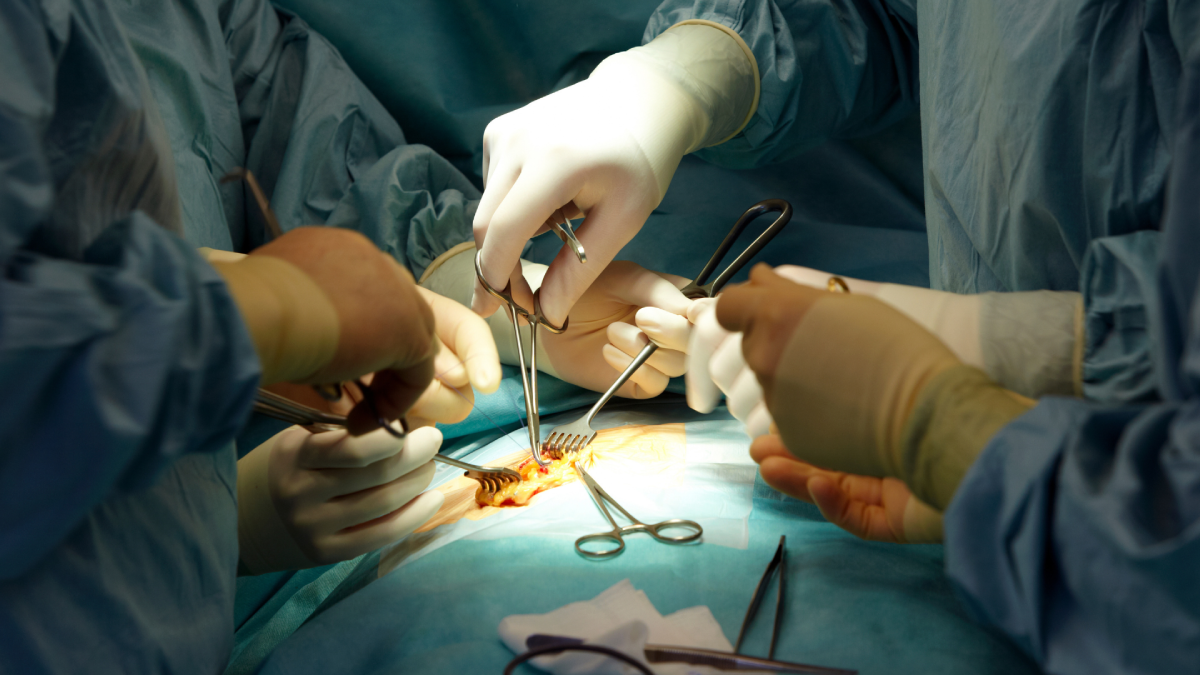
Piles are a common anorectal condition that can cause bleeding, swelling, itching and discomfort during bowel movements. Also known as haemorrhoids, they develop when blood vessels in the lower rectum or around the anus become enlarged. Choosing the right treatment depends on the stage of the condition, the severity of symptoms and the patient's overall health.
While early-stage piles may respond to dietary changes and medication, advanced cases may require medical procedures or surgery. Understanding the available treatment options helps individuals recognise when professional medical attention is necessary.
What Are the Four Stages of Piles?
Doctors classify internal haemorrhoids into four grades according to their size and whether they protrude through the anal opening. Each stage may require a different approach to management.
Grade 1 – Internal Piles
The enlarged blood vessels remain inside the rectum without protruding. Bleeding during bowel movements may be the first symptom. Early-stage piles are usually managed with dietary changes, adequate hydration and prescribed medication.
Grade 2 – Piles That Retract Naturally
The haemorrhoids protrude during bowel movements but return inside on their own. Bleeding, itching and discomfort may develop. Depending on the symptoms, doctors may recommend medication or minimally invasive procedures.
Grade 3 – Prolapsed Piles
The swollen tissue comes outside the anus and needs to be pushed back manually. Repeated protrusion can cause irritation and discomfort. Medical procedures or surgery may be considered.
Grade 4 – Permanently Prolapsed Piles
The haemorrhoids remain outside and cannot be pushed back inside. Swelling, pain and blood clots may occur. Surgery is often considered for these advanced cases.
When Should You Seek Piles Treatment?
Symptoms can vary between individuals. Some experience bleeding without pain, while others notice swelling and discomfort.
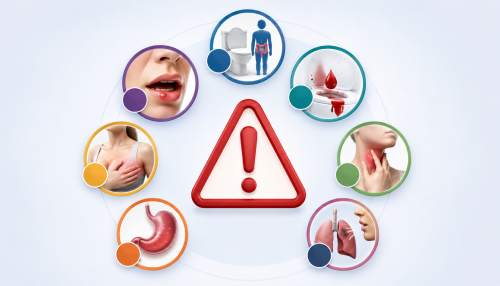
Medical evaluation is advisable if you experience:
- Blood on toilet paper or in the toilet bowl
- A lump or swelling around the anus
- Itching, irritation or mucus discharge
- Discomfort during bowel movements
- Tissue protruding from the anal opening
- Repeated episodes of rectal bleeding
Early diagnosis helps doctors identify the cause and recommend suitable treatment. Rectal bleeding should not automatically be attributed to haemorrhoids, as other gastrointestinal conditions can cause similar symptoms.
Piles Treatment: What Are the Available Options?
The choice of treatment depends on the haemorrhoid grade, symptoms and response to previous management. Not every case requires surgery.
1. Dietary Management and Medication
For uncomplicated early-stage piles, doctors generally begin with conservative management to make bowel movements easier and reduce pressure on the affected blood vessels.
Recommendations may include:
- Increasing fibre intake through fruits, vegetables and whole grains
- Drinking enough water to prevent hard stools
- Avoiding prolonged sitting on the toilet
- Not delaying the urge to pass stools
- Using prescribed creams to manage irritation
- Taking stool softeners when medically advised
2. Non-Surgical Procedures
When medication and lifestyle changes are insufficient, doctors may recommend minimally invasive procedures.
- Rubber Band Ligation: A small band is placed around the base of an internal haemorrhoid, cutting off its blood supply. The tissue gradually shrinks and separates.
- Sclerotherapy: A specialised solution is injected into the affected tissue to encourage it to shrink.
- Infrared Coagulation: Controlled infrared energy is applied to reduce blood supply to the haemorrhoid.
These procedures are generally suitable for selected internal haemorrhoids, particularly in earlier grades.
Laser Piles Treatment: Procedure and Benefits
Laser treatment is an option for selected cases of haemorrhoids. It uses controlled laser energy to shrink enlarged vascular tissue and reduce its blood supply.
During the procedure, the surgeon introduces a thin laser fibre into the haemorrhoid. Energy is delivered in a controlled manner, causing the affected tissue to contract.
Potential benefits of laser treatment include:
- Limited tissue disruption compared with conventional excision
- Less post-operative discomfort in some patients
- Reduced wound-related concerns
- Potentially shorter recovery in appropriately selected cases
However, laser treatment is not suitable for every patient. Large external haemorrhoids and advanced prolapse may require conventional surgery. The surgeon determines the appropriate approach after clinical examination.
When Is Piles Surgery Necessary?
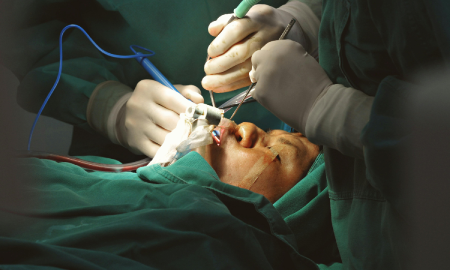
Surgery is generally considered when haemorrhoids cause significant symptoms, remain prolapsed or do not respond to less invasive treatment options.
Two established surgical approaches include:
Haemorrhoidectomy
The surgeon removes the enlarged haemorrhoidal tissue. This procedure is commonly considered for advanced piles and large external haemorrhoids.
Stapled Haemorrhoidopexy
A specialised stapling device repositions prolapsed internal haemorrhoidal tissue. It is suitable for selected patients.
What to Expect During Recovery?
Recovery depends on the procedure performed. Minimally invasive treatments may allow an earlier return to routine activities, while conventional surgery can involve a longer healing period.
Doctors may recommend:
- Eating fibre-rich meals
- Maintaining adequate fluid intake
- Avoiding excessive straining
- Following wound-care instructions
- Taking prescribed medication
- Attending follow-up consultations
Heavy bleeding, fever, severe pain or difficulty passing urine should be reported promptly.
Frequently Asked Questions
1. Can piles disappear without surgery?
Yes. Mild piles may settle with dietary changes, hydration and medication. Advanced cases may require a medical procedure.
2. Is laser treatment suitable for Grade 3 piles?
Laser treatment may be considered in selected Grade 3 cases. Suitability depends on the size of the haemorrhoids and the extent of prolapse.
3. Is piles surgery painful?
Some discomfort is expected after surgery, particularly following conventional haemorrhoidectomy. Anaesthesia and prescribed pain medication help manage post-operative discomfort.
4. Can piles develop again after treatment?
Yes. Recurrence is possible, especially when constipation and straining continue. Healthy bowel habits can help reduce the risk.
5. Does every case of rectal bleeding indicate piles?
No. Anal fissures, inflammatory bowel conditions and colorectal disorders can also cause bleeding. Proper medical evaluation is essential.
6. How do doctors decide between laser treatment and surgery?
Doctors consider the haemorrhoid grade, location, symptoms and previous treatment response before recommending an appropriate procedure.
Conclusion
Recognising the symptoms of haemorrhoids and seeking timely medical advice can help prevent complications and avoid delays in care. Treatment may involve dietary management, medication, minimally invasive procedures or surgery, depending on the clinical findings.
At SRM Prime Hospital, Ramapuram, Chennai, individuals can consult specialists for the assessment and management of anorectal conditions. A detailed evaluation helps determine a suitable treatment plan based on individual needs.