

Neuroscience
Comprehensive brain & spine care at SRM Prime Hospital Ramapuram, Chennai — expert neurologists, neurosurgeons, 3T MRI, Neuro ICU & stroke thrombectomy care.
About Our Neuroscience Department
Advanced Brain & Spine Care at SRM Prime Hospital, Ramapuram
At SRM Prime Hospital, our Department of Neuro Sciences is built to deliver comprehensive, world-class neurological and neurosurgical care for patients across Chennai and Tamil Nadu. We are a newly established, state-of-the-art multispeciality hospital — designed with a clear purpose: to make high-quality brain and spine care accessible, affordable, and compassionate.
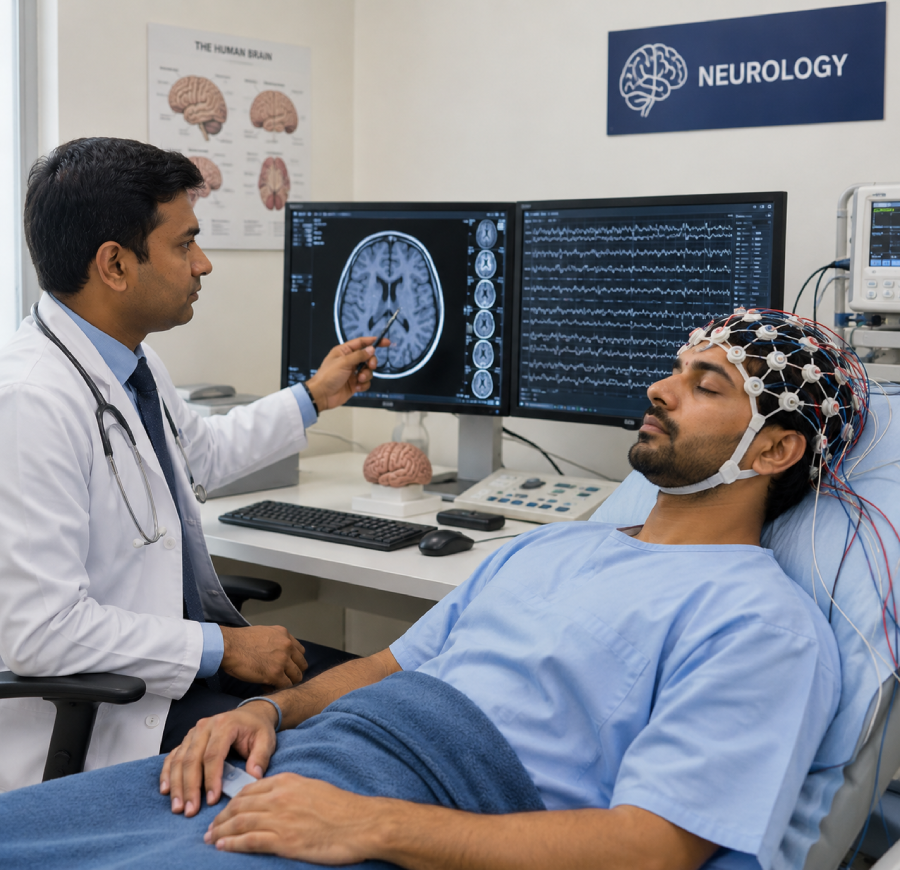
Our Neuro Sciences department brings together six dedicated specialists across neurology, neurosurgery, neuroimaging, and neuro-otology — offering the full spectrum of care under one roof. From diagnosing complex seizure and movement disorders to performing minimally invasive brain surgery and skull base procedures, our team is equipped to handle every level of neurological complexity.
With a 3T MRI, advanced neuroimaging, a dedicated Neuro ICU, and a Neuro Cath Lab, SRM Prime Hospital offers the diagnostic depth and clinical infrastructure needed to achieve accurate, timely diagnoses and superior treatment outcomes — right in the heart of Ramapuram.
Why Choose Us
Why Choose SRM Prime Hospital for Brain & Spine Care
An experienced, multidisciplinary neuro team with advanced technology and infrastructure — right in your neighbourhood. Six dedicated specialists, advanced neuroimaging, a Neuro ICU and Neuro Cath Lab, all under one roof.

High-field 3T MRI, neurophysiology lab, and video-EEG monitoring lab for precise brain and spine diagnostics.

Specialised intensive care for critically ill neurological and post-operative neurosurgical patients, with continuous monitoring.
Endovascular neurointerventional procedures — clot retrieval for stroke, aneurysm coiling, AVM treatment — in our dedicated Neuro Cath Lab.
Functional, endoscopic, and minimally invasive techniques for brain tumours, hydrocephalus, spine conditions, and skull base disorders.

Stroke response, trauma neurosurgery, and emergency neuro critical care around the clock. Emergency line: 044 3500 3500.
300+
Beds of Advanced Care
30+
Medical Specialities
7
Modular Operation Theatres
75+
Specialised ICU Beds
Top Procedures & Treatments
Neuro Sciences Procedures & Treatments
Every procedure is explained clearly to patients and families before it takes place. We recommend only what is clinically appropriate for your specific condition — across neurosurgery and endovascular neurointervention.
What is it?
A craniotomy is the most common surgical procedure for brain tumour removal. A portion of the skull (bone flap) is temporarily removed to access the brain tumour, which is then resected using microsurgical and neuro-navigation techniques. The bone flap is replaced and secured at the end of the procedure. The extent of tumour removal (gross total, subtotal, or biopsy) depends on the tumour's location, proximity to eloquent brain areas, and tumour type.
Why is it done?
For primary brain tumours (gliomas, meningiomas, metastases) that are causing symptoms, have grown on serial imaging, or require histopathological diagnosis to guide further treatment. For tumours in eloquent areas (speech, motor), awake craniotomy may be performed.
How is it done?
Under general anaesthesia (or awake sedation for awake craniotomy). Neuro-navigation (GPS-like imaging guidance) is used to locate the tumour precisely. Operating microscope and intraoperative neurophysiology monitoring are used throughout. The tumour is removed with brain tissue sparing techniques. Intraoperative ultrasound or MRI may be used to assess the extent of resection.
Duration
3–8 hours depending on tumour size and location.
Recovery
ICU monitoring for 24–48 hours. Dexamethasone (steroid) to reduce brain swelling. Hospital stay of 4–7 days. Follow-up MRI within 72 hours to assess extent of resection. Tissue is sent for histopathology — results guide the need for radiotherapy or chemotherapy.
Conditions Commonly Treated
Neurological Conditions We Diagnose & Treat
Our neuro team evaluates and manages the full range of neurological and neurosurgical conditions — from first-time seizures and severe headaches to complex brain tumours and spinal cord disorders.
An ischaemic stroke occurs when a blood clot or embolus blocks a blood vessel supplying the brain, cutting off oxygen and nutrients to a region of brain tissue. Brain cells begin to die within minutes. There are two main types: thrombotic stroke (clot forms in a brain artery, often from atherosclerosis) and embolic stroke (clot forms elsewhere — usually the heart in AF — and travels to the brain).
Sudden facial drooping (one side), arm weakness (one side), slurred or absent speech. Also: sudden severe headache, vision loss in one or both eyes, sudden loss of balance or coordination. Remember BEFAST — Balance, Eyes, Face, Arms, Speech, Time..
Emergency clot-dissolving medication (IV thrombolysis) if within the treatment window. Mechanical thrombectomy — a catheter-based procedure through our Neuro Cath Lab to physically remove the clot — for large vessel occlusions. Stroke unit care with continuous monitoring, physiotherapy, speech therapy, and secondary prevention to reduce the risk of a second stroke.
When to seek care
A stroke is a medical emergency. Call 044 3500 3500 immediately. Do not wait and observe. Every minute without treatment causes approximately 1.9 million brain cells to die. The earlier treatment begins, the better the outcome.
Blog & Articles
Latest Updates & Health Insights
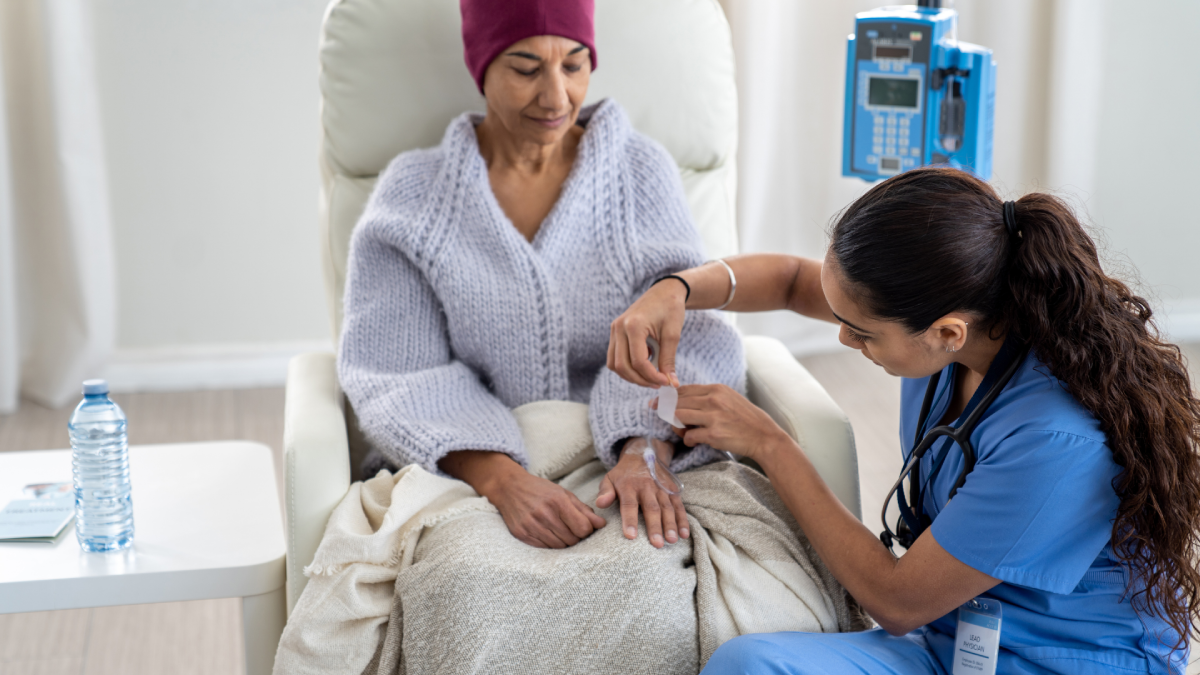
Chemotherapy: What to Expect, Chemotherapy Side Effects and How to Manage Them
Learn about chemotherapy side effects, what to expect during treatment, practical management tips, and warning signs that require immediate medical attention.
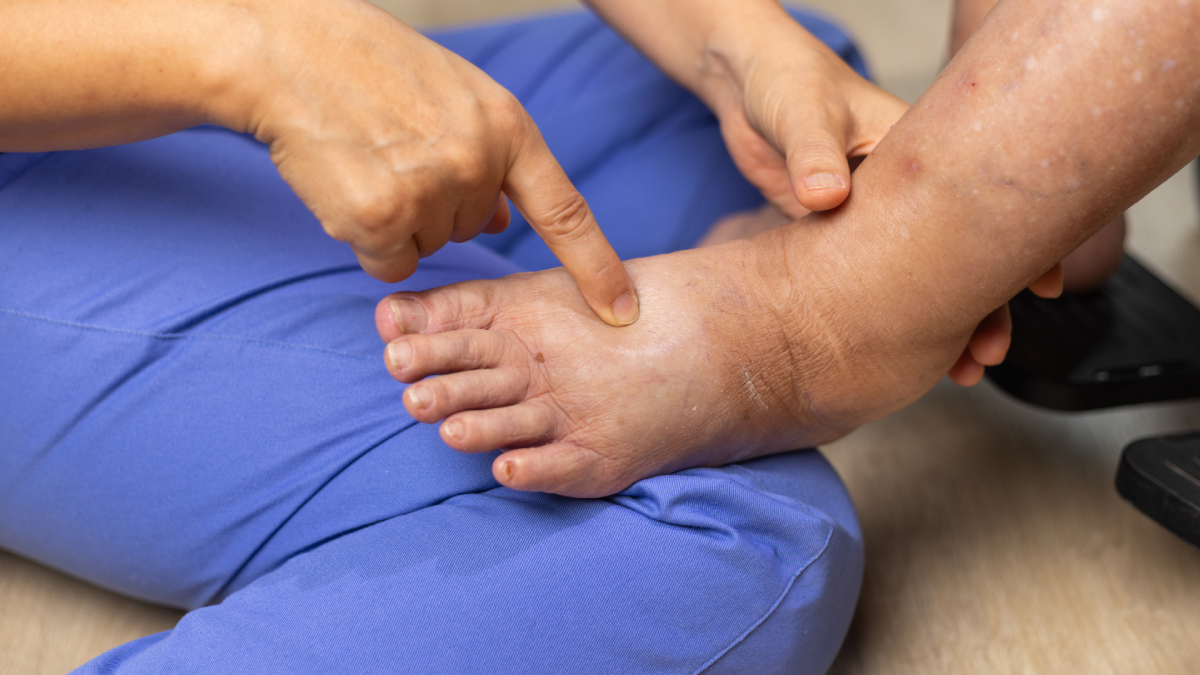
Recognising Diabetic Foot Problems Before They Get Worse
Learn about diabetic foot symptoms, early warning signs, daily checks and when changes like wounds, swelling or colour changes need medical care.
How to Choose the Right Specialist at SRM Prime Hospital
Learn how to choose the right SRM Prime Hospital specialist doctors based on symptoms, diagnosis, medical history and the specialist care you may need.
SRM PRIME Zone: Free Healthcare Benefits for Families Within 5 km of Ramapuram
SRM PRIME Zone: Get your free SRM PRIME Card if you live within 5 km of Ramapuram. 2 free specialist consults, 20% off lab tests, free ambulance and more.

Vomiting: Causes in Adults and Children and When It Becomes Serious
Learn the common vomiting causes in adults and children, warning signs, dehydration risks, and when vomiting needs prompt medical attention and evaluation.
How to Book an Appointment at SRM Prime Hospital
Learn how to book an appointment at SRM Prime Hospital, choose the right specialist, prepare medical records, and plan your consultation with confidence.
Request a Callback
Can’t Find What You’re Looking For?