
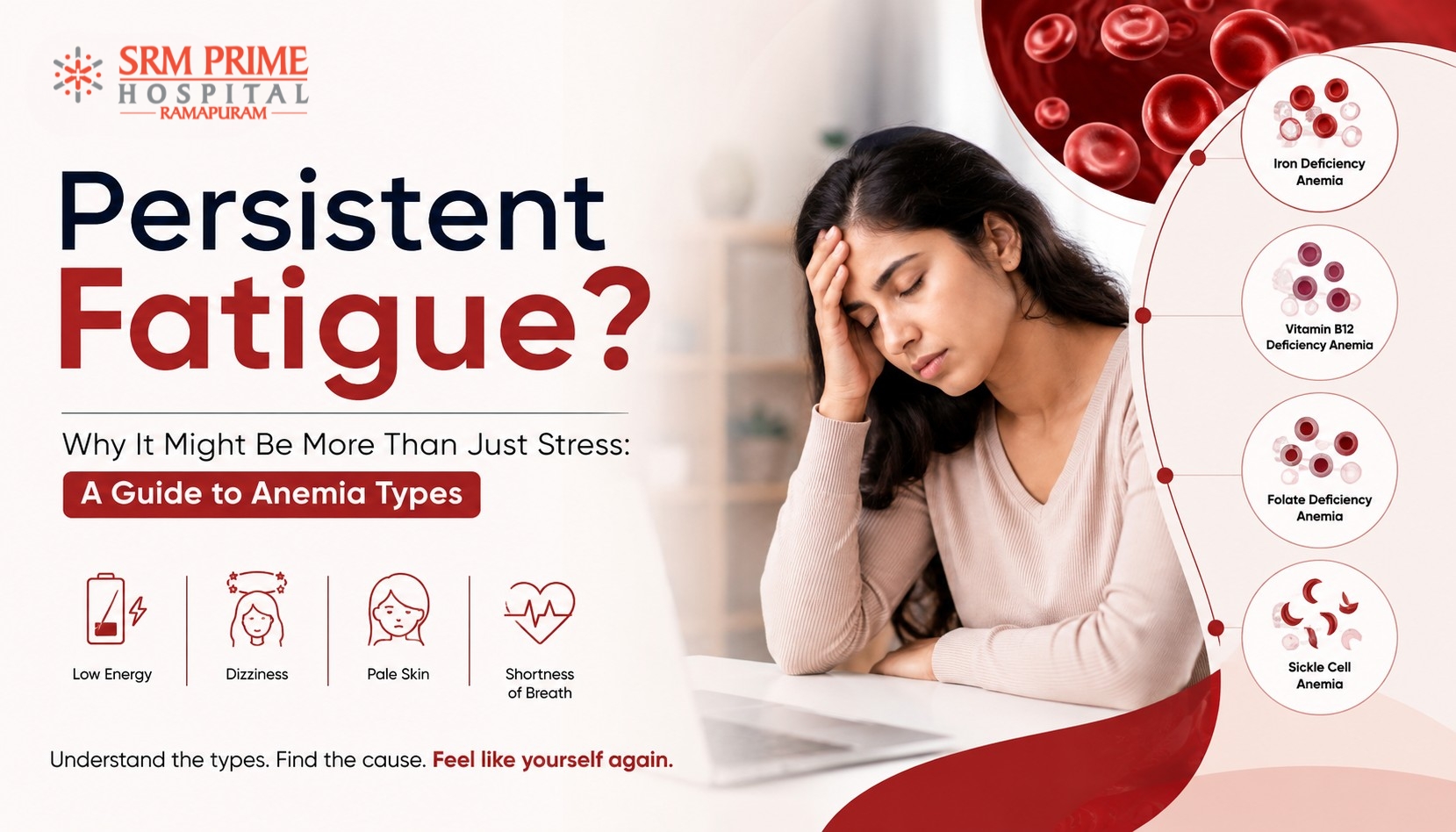
Feeling tired after a long day is normal. But when exhaustion becomes constant — even after proper rest — it could be your body signaling an underlying health issue. One of the most common yet often overlooked causes of persistent fatigue is anemia.
Anemia affects millions of people worldwide and can impact individuals of all ages. While stress, poor sleep, and busy lifestyles are often blamed for low energy, ongoing fatigue accompanied by weakness, dizziness, or breathlessness may indicate that your body is not getting enough healthy red blood cells.
Understanding the different types of anemia, their symptoms, causes, and treatment options can help ensure timely diagnosis and proper care.
What is Anemia?
Anemia is a condition in which the body lacks enough healthy red blood cells or hemoglobin to carry sufficient oxygen to tissues and organs. As oxygen levels decrease, the body struggles to produce energy efficiently, leading to fatigue and weakness.
Hemoglobin is an iron-rich protein found in red blood cells that transports oxygen throughout the body. When hemoglobin levels drop, normal bodily functions can become affected.
Common Symptoms of Anemia
Symptoms may develop gradually and are often mistaken for stress or overwork. Common warning signs include:
- Persistent tiredness or weakness
- Shortness of breath
- Dizziness or lightheadedness
- Pale skin
- Rapid heartbeat
- Cold hands and feet
- Headaches
- Difficulty concentrating
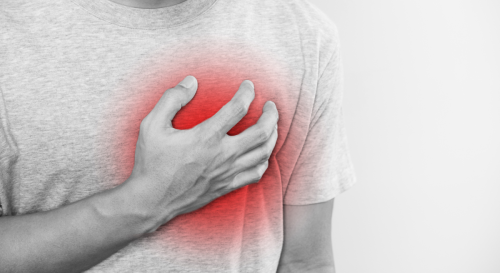
- Chest discomfort in severe cases
If left untreated, anemia can lead to serious health complications, especially in children, pregnant women, elderly individuals, and patients with chronic diseases.
Major Types of Anemia
1. Iron Deficiency Anemia
This is the most common type of anemia and occurs when the body lacks enough iron to produce hemoglobin.
Common Causes:
- Poor dietary iron intake
- Blood loss from heavy menstrual cycles
- Gastrointestinal bleeding
- Pregnancy
- Poor iron absorption
Symptoms:
- Extreme fatigue
- Brittle nails
- Cravings for non-food items (pica)
- Hair loss
- Pale appearance
Treatment:
- Iron-rich diet
- Iron supplements
- Treating the underlying cause of blood loss
Foods rich in iron include spinach, lentils, red meat, beans, dates, and fortified cereals.
2. Vitamin Deficiency Anemia
This type occurs when the body lacks vitamin B12 or folate, both essential for red blood cell production.
Causes:
- Poor nutrition
- Digestive disorders
- Certain medications
- Strict vegetarian or vegan diets without supplementation
Symptoms:
- Fatigue
- Tingling in hands and feet
- Memory problems
- Difficulty walking
- Mood changes
Treatment:
- Vitamin B12 injections or supplements
- Folate-rich foods
- Dietary modifications
3. Aplastic Anemia
A rare but serious condition where the bone marrow fails to produce enough blood cells.
Causes:
- Autoimmune disorders
- Viral infections
- Certain medications
- Radiation or chemotherapy exposure
Symptoms:
- Frequent infections
- Easy bruising
- Uncontrolled bleeding
- Severe weakness
Treatment:
- Blood transfusions
- Bone marrow transplant
- Immunosuppressive therapy
4. Hemolytic Anemia
In hemolytic anemia, red blood cells are destroyed faster than the body can replace them.
Causes:
- Infections
- Autoimmune diseases
- Genetic conditions
- Certain medications
Symptoms:
- Jaundice
- Dark urine
- Enlarged spleen
- Rapid heart rate
Treatment:
Depends on the underlying cause and may include medications, blood transfusions, or surgery.
5. Sickle Cell Anemia
A hereditary blood disorder where red blood cells become crescent-shaped, affecting oxygen flow and blood circulation.
Symptoms:
- Episodes of severe pain
- Fatigue
- Frequent infections
- Swelling in hands and feet
Treatment:
- Pain management
- Medications
- Blood transfusions
- Advanced therapies and long-term monitoring
Why Early Diagnosis Matters
Many people ignore symptoms of anemia because they assume stress or poor sleep is the cause. However, untreated anemia can affect the heart, brain, immune system, and overall quality of life.
Doctors typically diagnose anemia through:
- Complete Blood Count (CBC)
- Iron studies
- Vitamin level tests
- Bone marrow evaluation (in specific cases)
Early treatment can significantly improve energy levels, concentration, and long-term health outcomes.
Preventing Anemia
Simple lifestyle changes can help reduce the risk of certain types of anemia:
- Eat a balanced diet rich in iron and vitamins
- Include green leafy vegetables, fruits, legumes, and protein-rich foods
- Stay hydrated
- Avoid self-medicating without medical advice
- Seek medical evaluation for prolonged fatigue
- Attend regular health check-ups
Comprehensive Care at SRM Hospitals
SRM Hospitals offers advanced diagnostic services and expert care for patients experiencing persistent fatigue, nutritional deficiencies, and blood-related disorders. With experienced physicians, hematology specialists, advanced laboratory facilities, and personalized treatment plans, the hospital focuses on early detection and effective management of anemia and related conditions.
The multidisciplinary teams at SRM Hospitals help patients receive:
- Comprehensive blood investigations
- Nutritional counseling
- Advanced anemia management
- Specialized care for complex hematological disorders
- Preventive health screenings
Timely medical attention can make a significant difference in improving energy levels, overall wellness, and quality of life.
Conclusion
Persistent fatigue should never be ignored, especially when it continues despite adequate rest. While stress may contribute to exhaustion, anemia is a common medical condition that often goes undiagnosed until symptoms become severe.
Understanding the various types of anemia and recognizing early warning signs can help individuals seek timely treatment and prevent complications. If fatigue, weakness, or dizziness are affecting your daily life, consulting a healthcare professional is the first step toward restoring your health and vitality.


-vs-ESWL-Which-Procedure-is-Right-for-You.webp)




.webp)
.webp)

.webp)
+(1).webp)
.webp)