

About Our Orthopaedics Department
Comprehensive Bone, Joint & Spine Care at SRM Prime Hospital, Ramapuram
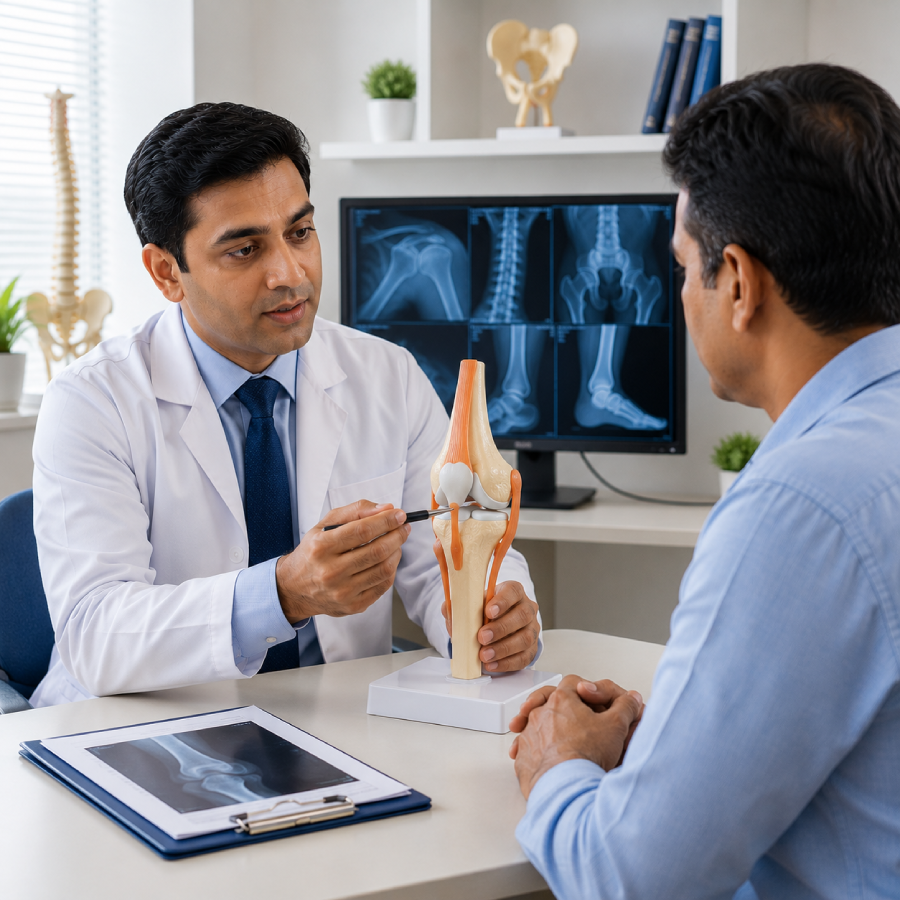
At SRM Prime Hospital, Ramapuram, our Orthopaedics Department is dedicated to restoring movement, relieving pain, and enabling patients to return to an active, independent life. As one of the most comprehensive orthopaedic hospitals in Chennai, we combine the expertise of senior orthopaedic surgeons with state-of-the-art diagnostic technology and structured rehabilitation — bringing together everything patients need under one roof.
Our orthopaedics team brings a combined experience of over 52 years of specialist clinical expertise spanning joint replacement surgery, arthroscopy, trauma and fracture management, sports medicine, shoulder and upper limb surgery, and spine care. Whether you are dealing with a sports injury, recovering from a road accident, struggling with arthritis pain, or requiring a complex joint replacement, our specialists have the surgical skill, diagnostic depth, and patient-first approach to guide you through every stage of your care.
From accurate diagnosis and conservative management through to minimally invasive arthroscopic surgery, total joint replacement, and post-operative physiotherapy rehabilitation — SRM Prime Hospital's Orthopaedics Department delivers a complete, patient-centred spectrum of musculoskeletal services, all within your community in western Chennai.
Why Choose Us
Why Choose SRM Prime Hospital for Orthopaedic Care
Experience world-class, patient-first care backed by advanced technology, expert specialists and a commitment to better outcomes.

Three dedicated orthopaedic consultants — each specialising in distinct sub-disciplines — ensuring that every patient is matched to the surgeon with the most relevant expertise for their condition.

Primary and revision total knee replacement, total hip replacement, shoulder arthroplasty, and elbow joint surgery — performed by fellowship-trained, internationally qualified surgeons.

Minimally invasive arthroscopic procedures for knee, shoulder, and other joints — enabling precise diagnosis and treatment of ligament tears, cartilage damage, and rotator cuff injuries with faster recovery.

Digital X-ray, CT scan, 3T MRI, musculoskeletal ultrasound, and DEXA bone density scanning — all coordinated by our orthopaedic team for accurate diagnosis and treatment planning.
Round-the-clock emergency orthopaedic care for fractures, dislocations, road traffic accidents, and acute sports injuries — including surgical fixation, ORIF, and complex periarticular fracture management.
Tailored post-surgical and non-surgical physiotherapy programmes to restore strength, flexibility, and functional independence — guided by clinical protocols from initial recovery to return-to-sport.
300+
Beds of Advanced Care
30+
Medical Specialities
7
Modular Operation Theatres
75+
Specialised ICU Beds
Meet Our Orthopaedics Team
Our Orthopaedics Department is led by three highly experienced consultants whose combined expertise spans over five decades of clinical, academic, and surgical practice across joint replacement surgery, arthroscopy, trauma care, sports medicine, shoulder surgery, and reconstructive orthopaedics. Each specialist is trained at the highest national and international levels — ensuring patients receive world-class orthopaedic care at SRM Prime Hospital.
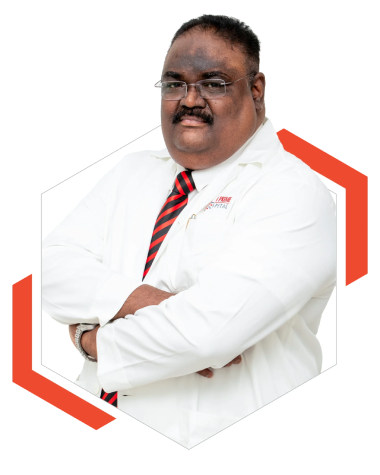
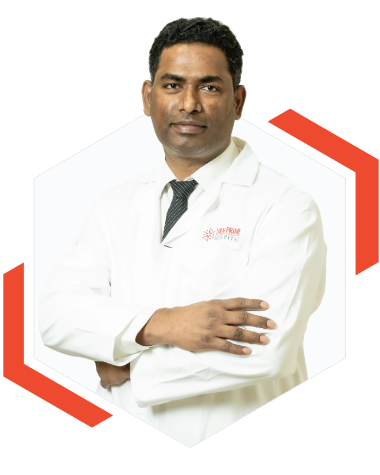
Dr. Mohan G
Senior Consultant – Orthopaedics
25+ years of experience

English • Tamil
10:00 - 16:00
•
Mon–Sat
Dr. Mohan K C
Senior Consultant – Orthopaedics
16+ years of experience
English • Tamil • Telugu
10:00 - 15:00
•
Mon–Sat
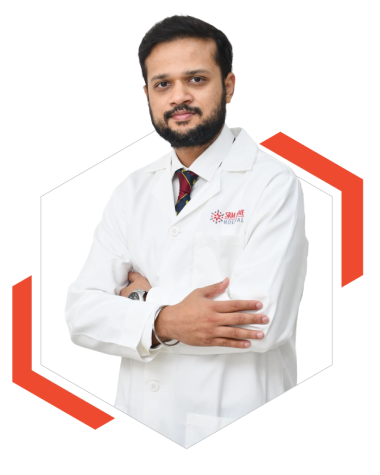
Dr. Nikhil Jawaharlal Nahar
Consultant – Orthopaedics
11+ years of experience
English • Tamil • Hindi
09:00 - 18:00
•
Mon–Sat
Key Highlights
Specialised Orthopaedic Services
Complete musculoskeletal care - from conservative treatment to joint replacement and rehabilitation.
Complete resurfacing of damaged knee joint surfaces — femur, tibia, and patella — using metal and polyethylene implants. Indicated for advanced osteoarthritis, rheumatoid arthritis, and post-traumatic arthritis. Both primary and complex revision procedures performed.
Conditions Explained
Conditions We Commonly Treat
Osteoarthritis (OA) is one of the most common musculoskeletal conditions in India — caused by progressive degradation of articular cartilage, with secondary changes in subchondral bone, synovium, and periarticular structures. It most commonly affects the knee, hip, and shoulder joints. OA incidence rises sharply in individuals over 50, and is associated with obesity, prior joint injury, and occupational loading.
Deep aching joint pain — worsening with activity and relieved partially by rest; morning stiffness lasting less than 30 minutes; joint swelling and warmth; crepitus (grinding sensation) with movement; progressive loss of range of motion; difficulty climbing stairs, rising from chairs, or walking; and bony deformity in advanced disease (varus or valgus knee deformity).
Weight-bearing X-ray of affected joint — assessment of joint space narrowing, osteophytes, and alignment. MRI for cartilage and soft tissue assessment. Conservative management: physiotherapy, weight loss, activity modification, analgesia, and intra-articular injections (steroid or hyaluronic acid). Surgical management: arthroscopy for symptom relief in selected cases; partial or total knee/hip/shoulder replacement for advanced OA unresponsive to conservative treatment.
Diagnostic & Imaging Services
Advanced Orthopaedic Diagnostics
Accurate musculoskeletal diagnosis requires the right imaging at the right time. SRM Prime Hospital provides a comprehensive orthopaedic diagnostic platform — all coordinated by our clinical team to ensure the correct investigation is selected for each clinical scenario, minimising diagnostic delay and enabling precise treatment planning.

Standing knee X-rays for alignment and joint space; hip X-rays (AP pelvis, lateral) for arthritis and fractures; cervical and lumbar spine X-rays for spondylosis, deformity, and instability; fracture assessment (minimum 2 views always).

Complex periarticular fractures — tibial plateau, distal femur, acetabulum, calcaneum; pre-surgical planning and implant templating; bone tumour characterisation; CT arthrogram for cartilage assessment.

ACL, PCL, meniscal tears; rotator cuff; labral pathology (shoulder, hip); cartilage defects; bone marrow oedema; spinal disc herniation and cord compression; soft tissue tumours; bone stress injuries.

Dynamic assessment of rotator cuff; assessment of tendons (Achilles, patellar, elbow); bursae; soft tissue masses; ultrasound-guided injections for shoulder, knee, hip, and elbow.

Bone mineral density (BMD) measurement at lumbar spine and hip; T-score and Z-score reporting; fracture risk assessment; treatment response monitoring in osteoporosis.

Carpal tunnel syndrome diagnosis and severity grading; cubital tunnel (ulnar nerve) compression; peripheral neuropathy; cervical and lumbar radiculopathy confirmation.
Orthopaedic Emergencies
24/7 Care for Orthopaedic Emergencies



Patient Journeys
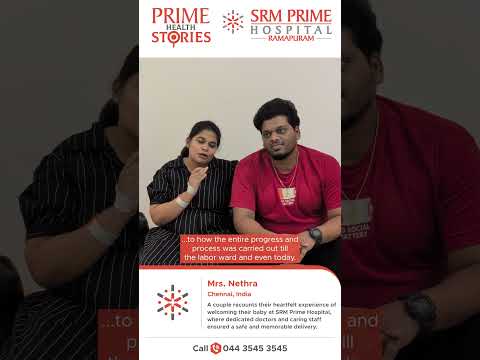
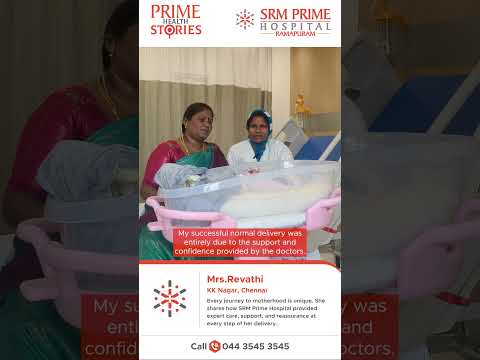
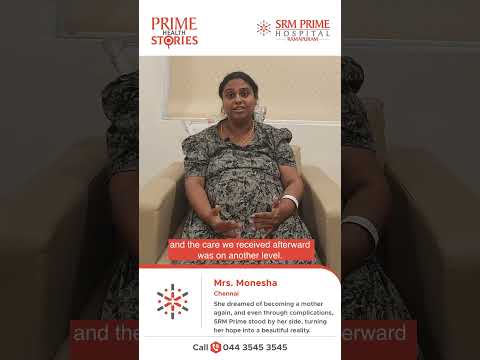
Thousands of patients have trusted us during their most important health moments. Their stories reflect the expertise of our doctors, the clarity of our guidance, and the compassion that supports them at every stage of their treatment.







Frequently Asked Questions
You should consult an orthopaedic surgeon when joint pain, back pain, or a sports injury has not improved with conservative measures (rest, over-the-counter pain relief, physiotherapy) within 4–6 weeks; when pain is severe, constant, or worsening; when there is significant swelling, deformity, or inability to use a limb; following any significant trauma (road accident, fall, sports injury); or when you have been told you may need joint replacement, fracture fixation, or orthopaedic surgery.
Most patients begin walking with support within 24–48 hours of total knee replacement surgery. Hospital stay is typically 3–5 days. By 6 weeks, most patients can manage daily activities independently. Return to driving is usually possible at 6–8 weeks. Full recovery — with optimal strength, flexibility, and function — is achieved by 3–6 months, supported by a structured physiotherapy programme.
Yes. Our orthopaedic team regularly performs arthroscopic (keyhole) procedures for the knee (ACL reconstruction, meniscal repair, cartilage procedures), shoulder (rotator cuff repair, Bankart stabilisation, SLAP repair, subacromial decompression), ankle, and hip. Arthroscopy allows precise diagnosis and treatment of joint pathology through small incisions, with significantly less post-operative pain and faster recovery compared to open surgery.
Many sports injuries respond well to conservative management — structured physiotherapy, bracing, activity modification, and progressive rehabilitation — and do not require surgery. The decision depends on the specific injury, its severity, the patient's age and activity level, and treatment response. ACL tears in recreational athletes, for example, can sometimes be managed non-surgically with intensive rehabilitation. Our team always begins with a thorough clinical and imaging assessment before recommending the most appropriate management pathway.
In a partial (unicompartmental) knee replacement, only the damaged compartment of the knee is resurfaced — medial, lateral, or patellofemoral — leaving the healthy compartments and cruciate ligaments intact. In a total knee replacement (TKR), all three compartments are resurfaced. Partial replacement offers faster recovery and a more natural-feeling knee but is only suitable for carefully selected patients with isolated single-compartment disease. Your surgeon will advise which option is appropriate based on your X-ray findings, knee alignment, weight, activity level, and clinical examination.
Yes. Our Orthopaedics Department offers comprehensive osteoporosis assessment, including DEXA bone density scanning, FRAX fracture risk calculation, blood tests for secondary causes, and evidence-based pharmacological treatment (bisphosphonates, denosumab, teriparatide) and lifestyle counselling. We also manage fragility fractures — hip, vertebral, and wrist fractures — and work to prevent secondary fractures through Fracture Liaison Service (FLS) protocols.
Yes. Our orthopaedic team assesses and manages a range of spinal conditions — including lumbar disc prolapse with sciatica, cervical disc disease and cervical radiculopathy, lumbar spinal stenosis, spondylosis, and spinal deformity (scoliosis and kyphosis). Management includes clinical assessment, MRI imaging, physiotherapy, targeted injections, and surgical referral for cases with progressive neurological deficit or failed conservative treatment. We also provide emergency assessment for cauda equina syndrome.
Our orthopaedic team holds advanced postgraduate qualifications and fellowships across national and international institutions. Dr. Mohan G holds MS (Orthopaedics), DNB, MCh Orthopaedics (Seychelles / USAIM American Board), with fellowships in Trauma (Germany), and Arthroplasty (PGI Chandigarh and Singapore). Dr. Mohan K C holds DNB (Orthopaedic Surgery) and a Post-doctoral Fellowship in Joint Replacement (FIJR), with advanced training in the USA, Singapore, Mumbai, and Pune. Dr. Nikhil Nahar holds MRCS (Edinburgh), FRCS (London), MCh Orthopaedics (UK), and FEBOT (European Board of Orthopaedic Trauma) — with subspeciality fellowship training in shoulder, upper limb, and arthroplasty surgery.
Blog & Articles
Latest Updates & Health Insights
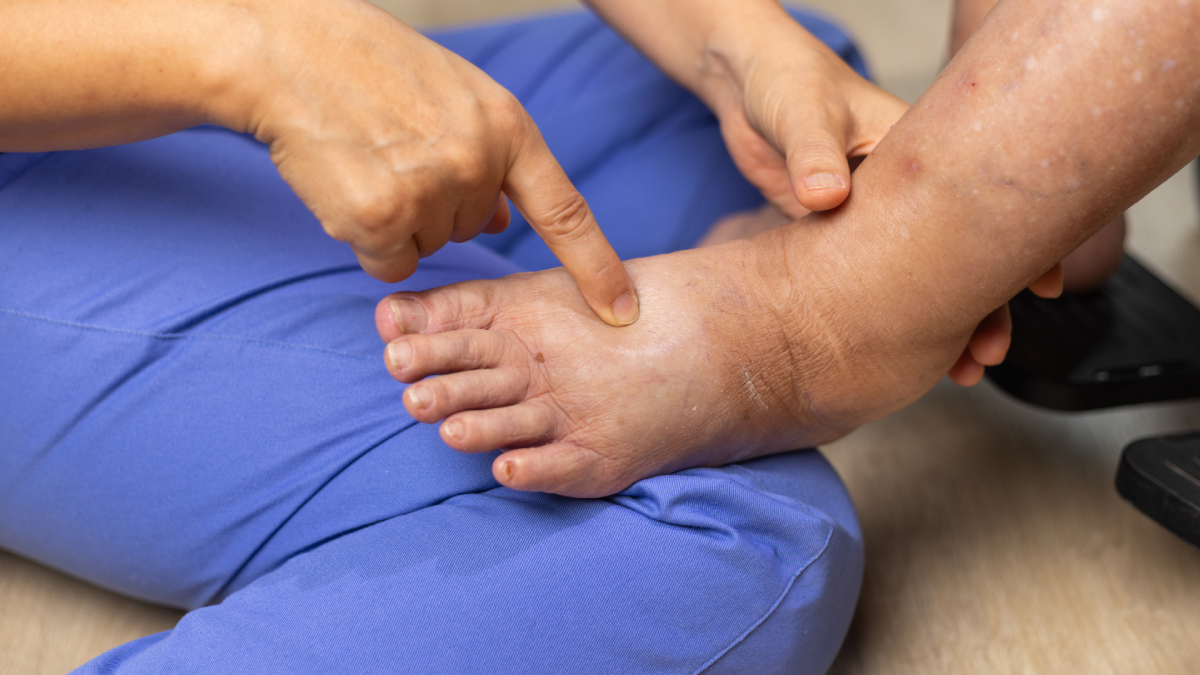
Recognising Diabetic Foot Problems Before They Get Worse
Learn about diabetic foot symptoms, early warning signs, daily checks and when changes like wounds, swelling or colour changes need medical care.
How to Choose the Right Specialist at SRM Prime Hospital
Learn how to choose the right SRM Prime Hospital specialist doctors based on symptoms, diagnosis, medical history and the specialist care you may need.
SRM PRIME Zone: Free Healthcare Benefits for Families Within 5 km of Ramapuram
SRM PRIME Zone: Get your free SRM PRIME Card if you live within 5 km of Ramapuram. 2 free specialist consults, 20% off lab tests, free ambulance and more.

Vomiting: Causes in Adults and Children and When It Becomes Serious
Learn the common vomiting causes in adults and children, warning signs, dehydration risks, and when vomiting needs prompt medical attention and evaluation.

How to Book an Appointment at SRM Prime Hospital
Learn how to book an appointment at SRM Prime Hospital, choose the right specialist, prepare medical records, and plan your consultation with confidence.
Acidity Symptoms: When Everyday Heartburn May Be Signalling More Than Indigestion
Learn about acidity symptoms, common triggers, warning signs and when recurring heartburn may need medical assessment for reflux or GORD.
Request a Callback
Can’t Find What You’re Looking For?