

About Our Neurology Department
Advanced Brain & Spine Care at SRM Prime Hospital, Ramapuram
At SRM Prime Hospital, our Department of Neuro Sciences is built to deliver comprehensive, world-class neurological and neurosurgical care for patients across Chennai and Tamil Nadu. We are a newly established, state-of-the-art multispeciality hospital — designed with a clear purpose: to make high-quality brain and spine care accessible, affordable, and compassionate.
Our Neuro Sciences department brings together six dedicated specialists across neurology, neurosurgery, neuroimaging, and neuro-otology — offering the full spectrum of care under one roof. From diagnosing complex seizure and movement disorders to performing minimally invasive brain surgery and skull base procedures, our team is equipped to handle every level of neurological complexity.
With a 3T MRI, advanced neuroimaging, a dedicated Neuro ICU, and a Neuro Cath Lab, SRM Prime Hospital offers the diagnostic depth and clinical infrastructure needed to achieve accurate, timely diagnoses and superior treatment outcomes — right in the heart of Ramapuram.
Best Neuro Sciences Hospital in Chennai
Trusted Brain & Spine Care in Chennai's Ramapuram
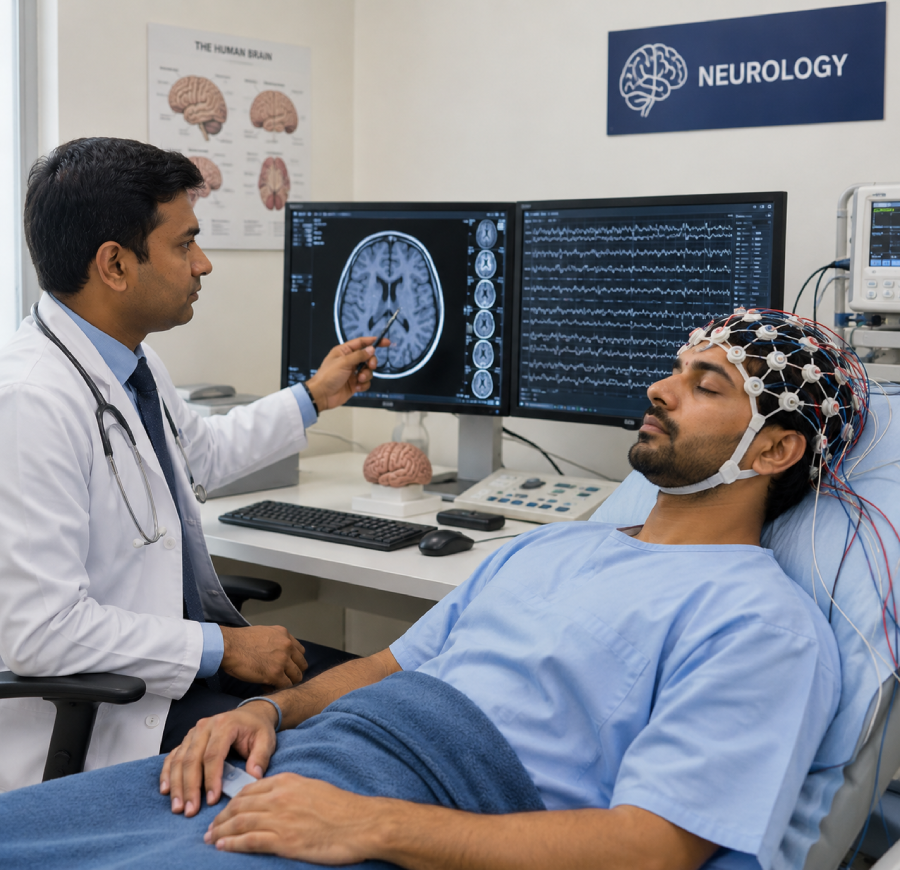
An experienced, multidisciplinary neuro team with advanced technology and infrastructure — right in your neighbourhood. Six dedicated specialists, advanced neuroimaging, a Neuro ICU and Neuro Cath Lab, all under one roof.

High-field 3T MRI, neurophysiology lab, and video-EEG monitoring lab for precise brain and spine diagnostics.

Specialised intensive care for critically ill neurological and post-operative neurosurgical patients, with continuous monitoring.

Endovascular neurointerventional procedures — clot retrieval for stroke, aneurysm coiling, AVM treatment — in our dedicated Neuro Cath Lab.
Functional, endoscopic, and minimally invasive techniques for brain tumours, hydrocephalus, spine conditions, and skull base disorders.

Stroke response, trauma neurosurgery, and emergency neuro critical care around the clock. Emergency line: 044 3500 3500.
300+
Beds of Advanced Care
30+
Medical Specialties
7
Modular Operation Theatres
75+
Specialized ICU Beds
Our Neurology Specialists
Consult experienced consultants for neurology care at SRM Prime Hospital.
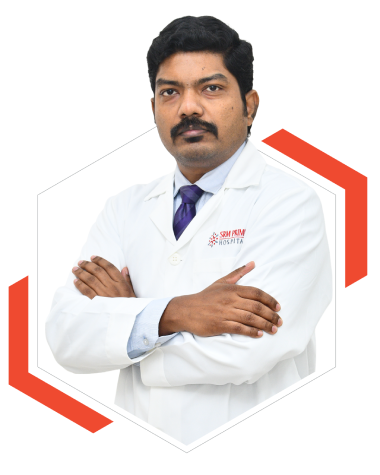
Dr. Arulalan Mathialagan
Consultant - ENT, Neurology
13 + Years experience

English • Tamil
10:00 - 16:00
•
Mon-Tue-Wed-Thu-Fri-Sat
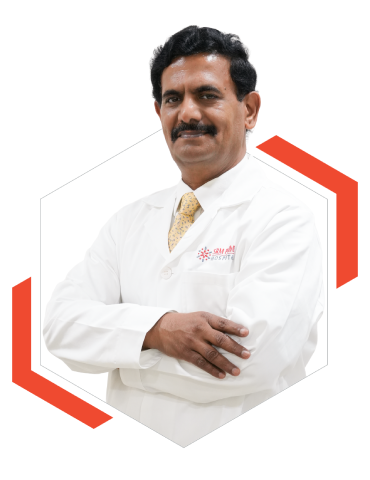
Dr. Chandrasekar K
Clinical Lead & Senior Consultant - Neurosurgery, Neurology
37 + Years experience
English • Tamil • Hindi
09:00 - 16:00
•
Mon-Tue-Wed-Thu-Fri-Sat
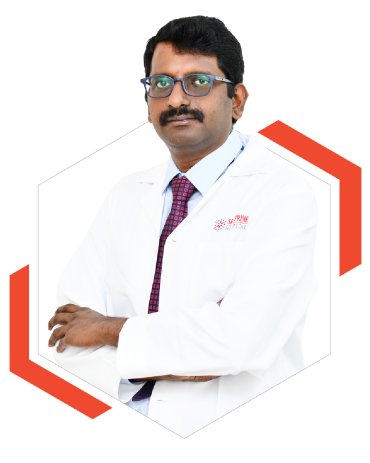
Dr. Krishna Kumar G
Consultant - Neurosurgery, Neurology
14 + Years experience
Tamil • Telugu • Hindi • English
09:00 - 16:00
•
Mon-Tue-Wed-Thu-Fri-Sat
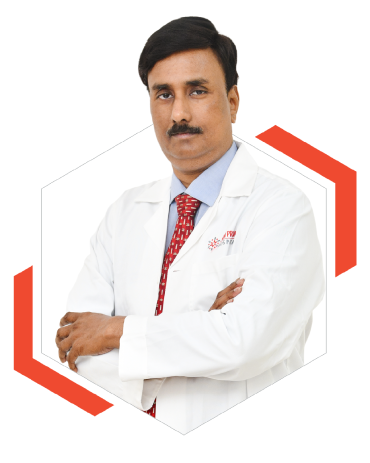
Prof. Dr. Subramaniyan K
Clinical Lead & Senior Consultant - Neurology
20 + Years experience
English • Tamil
09:00 - 18:00
•
Mon-Tue-Wed-Thu-Fri-Sat
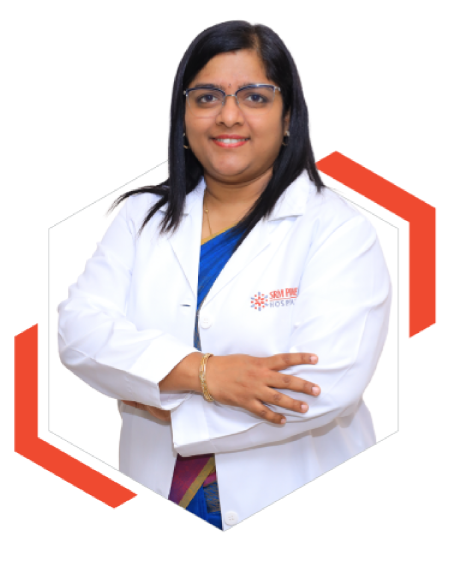
Dr. Swathi T
Consultant - Neurology
10 + Years experience
English • Tamil
10:00 - 16:00
•
Mon-Tue-Wed-Thu-Fri-Sat
Top Procedures & Treatments
Neuro Sciences Procedures & Treatments
Every procedure is explained clearly to patients and families before it takes place. We recommend only what is clinically appropriate for your specific condition — across neurosurgery and endovascular neurointervention.
What is it?
A craniotomy is the most common surgical procedure for brain tumour removal. A portion of the skull (bone flap) is temporarily removed to access the brain tumour, which is then resected using microsurgical and neuro-navigation techniques. The bone flap is replaced and secured at the end of the procedure. The extent of tumour removal (gross total, subtotal, or biopsy) depends on the tumour's location, proximity to eloquent brain areas, and tumour type.
Why is it done?
For primary brain tumours (gliomas, meningiomas, metastases) that are causing symptoms, have grown on serial imaging, or require histopathological diagnosis to guide further treatment. For tumours in eloquent areas (speech, motor), awake craniotomy may be performed.
How is it done?
Under general anaesthesia (or awake sedation for awake craniotomy). Neuro-navigation (GPS-like imaging guidance) is used to locate the tumour precisely. Operating microscope and intraoperative neurophysiology monitoring are used throughout. The tumour is removed with brain tissue sparing techniques. Intraoperative ultrasound or MRI may be used to assess the extent of resection.
Duration
3–8 hours depending on tumour size and location.
Recovery
ICU monitoring for 24–48 hours. Dexamethasone (steroid) to reduce brain swelling. Hospital stay of 4–7 days. Follow-up MRI within 72 hours to assess extent of resection. Tissue is sent for histopathology — results guide the need for radiotherapy or chemotherapy.
Conditions Commonly Treated
Neurological Conditions We Diagnose & Treat
Our neuro team evaluates and manages the full range of neurological and neurosurgical conditions — from first-time seizures and severe headaches to complex brain tumours and spinal cord disorders.
An ischaemic stroke occurs when a blood clot or embolus blocks a blood vessel supplying the brain, cutting off oxygen and nutrients to a region of brain tissue. Brain cells begin to die within minutes. There are two main types: thrombotic stroke (clot forms in a brain artery, often from atherosclerosis) and embolic stroke (clot forms elsewhere — usually the heart in AF — and travels to the brain).
Sudden facial drooping (one side), arm weakness (one side), slurred or absent speech. Also: sudden severe headache, vision loss in one or both eyes, sudden loss of balance or coordination. Remember FAST — Face, Arms, Speech, Time.
Emergency clot-dissolving medication (IV thrombolysis) if within the treatment window. Mechanical thrombectomy — a catheter-based procedure through our Neuro Cath Lab to physically remove the clot — for large vessel occlusions. Stroke unit care with continuous monitoring, physiotherapy, speech therapy, and secondary prevention to reduce the risk of a second stroke.
When to seek care
A stroke is a medical emergency. Call 044 3500 3500 immediately. Do not wait and observe. Every minute without treatment causes approximately 1.9 million brain cells to die. The earlier treatment begins, the better the outcome.
Patient Journeys
Thousands of patients have trusted us during their most important health moments. Their stories reflect the expertise of our doctors, the clarity of our guidance, and the compassion that supports them at every stage of their treatment.
Blog & Articles
Latest Updates & Health Insights
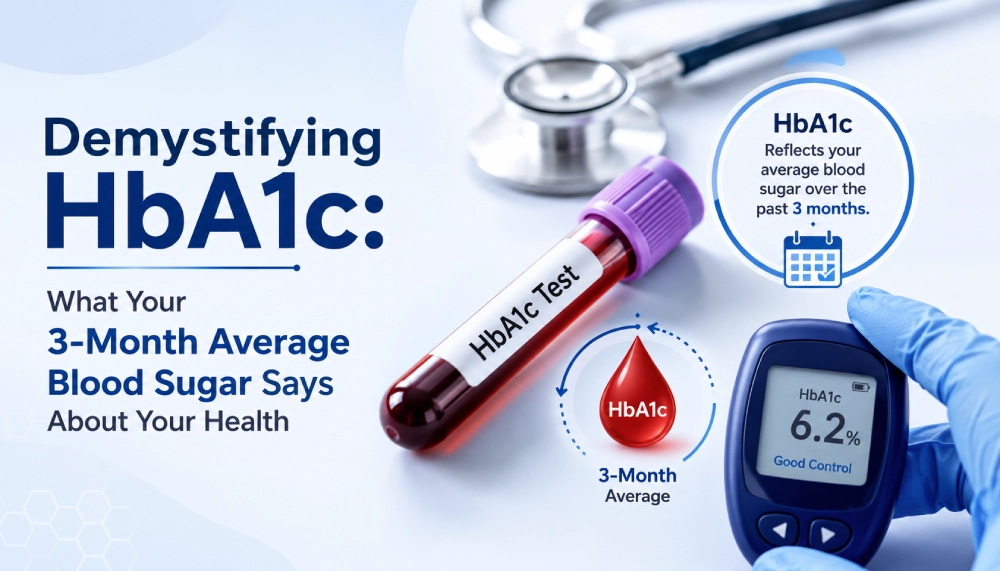
Demystifying HbA1c: What Your 3-Month Average Blood Sugar Says About Your Health
Learn what the HbA1c test measures, how it reflects your average blood sugar over the past three months, what the results mean, and why regular testing is essential for diabetes prevention and management.
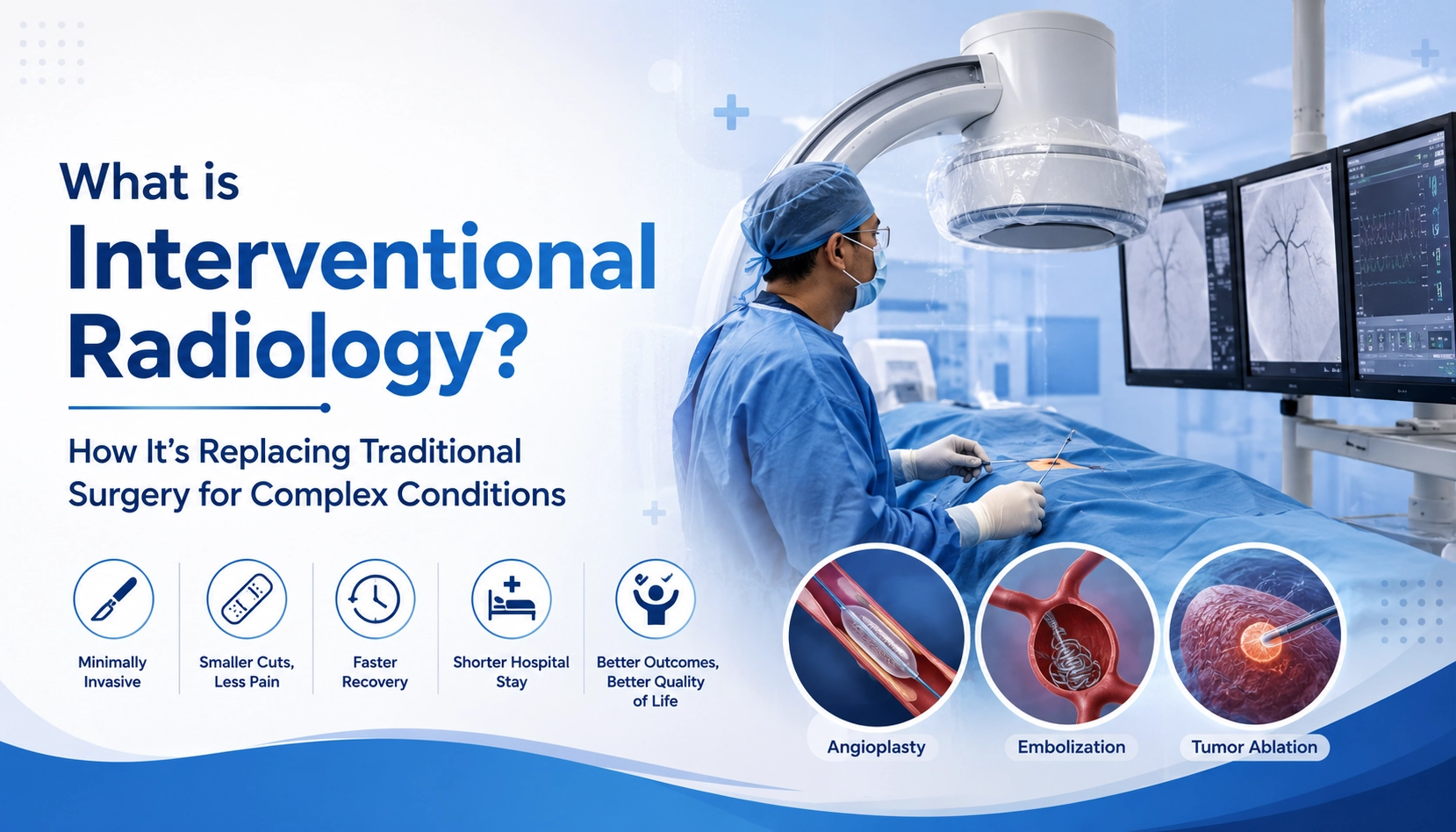
What is Interventional Radiology? How It’s Replacing Traditional Surgery for Complex Conditions
Learn what Interventional Radiology is, how it treats complex conditions with minimally invasive procedures, and why it offers faster recovery, less pain, and fewer risks compared to traditional surgery.
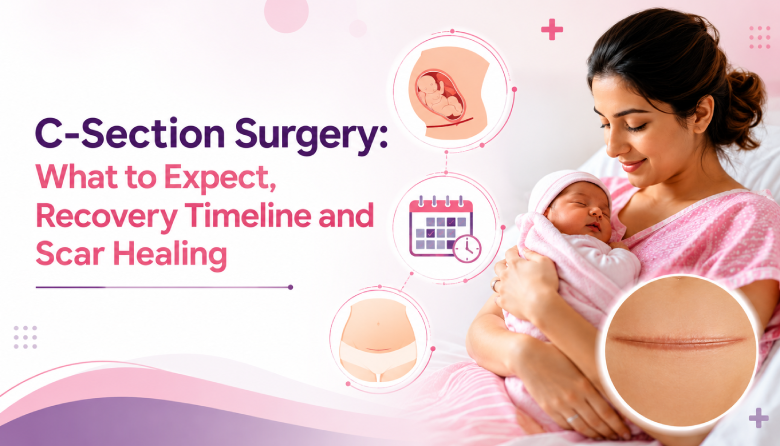
C-Section Surgery: What to Expect, Recovery Timeline and Scar Healing
Complete guide to C-section (caesarean) surgery at SRM Prime Hospital Chennai. Why it is done, what happens during surgery, week-by-week recovery, and scar healing tips.
-vs-ESWL-Which-Procedure-is-Right-for-You.webp)
Kidney Stone Surgery: PCNL vs Laser Lithotripsy (RIRS) vs ESWL — Which Procedure Is Right for You?
Expert comparison of kidney stone surgical procedures at SRM Prime Hospital Chennai. PCNL vs RIRS laser lithotripsy vs ESWL — understand which procedure is right for your kidney stone.
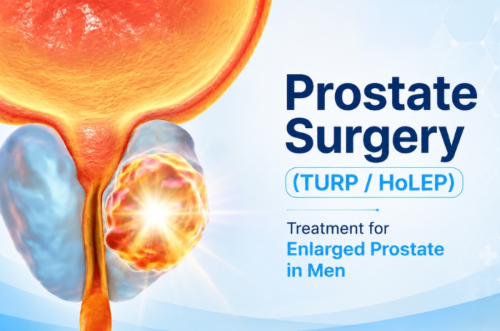
Prostate Surgery (TURP / HoLEP): Treatment for Enlarged Prostate in Men
Complete guide to enlarged prostate surgery at SRM Prime Hospital Chennai. TURP vs HoLEP laser prostate surgery — what each involves, outcomes, and recovery.
Hip Replacement Surgery: Who Needs It, Types, Recovery and Walking Timeline
Learn about hip replacement surgery, recovery timeline, implant lifespan, anterior vs posterior approach, and physiotherapy after surgery. Consult expert joint replacement specialists at SRM Prime Hospital.
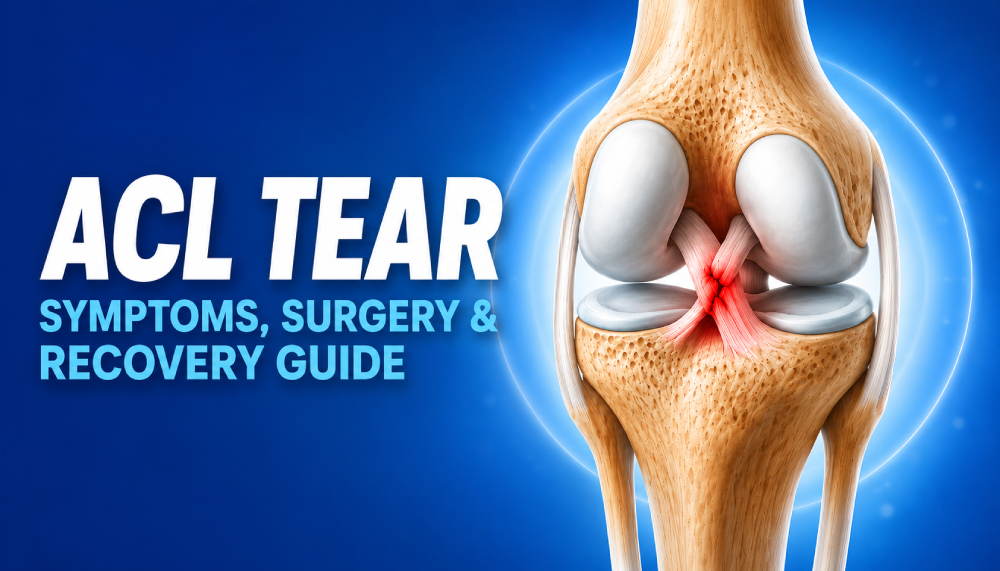
ACL Surgery: What Is It, Arthroscopic Reconstruction, and Returning to Sport
Learn about ACL tear symptoms, arthroscopic ACL reconstruction, graft options, rehabilitation phases, and recovery timelines. Get expert sports injury care at SRM Prime Hospital.
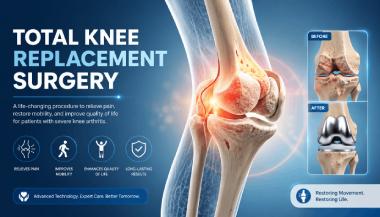
Total Knee Replacement Surgery: What to Expect, Recovery Timeline and Cost in Chennai
Learn about knee replacement surgery, recovery timeline, robotic-assisted knee replacement, exercises, risks, and long-term results. Consult expert joint replacement surgeons at SRM Prime Hospital.
Back Pain: Causes, Red Flags and the Right Treatment for Your Pain
Learn about back pain causes, symptoms, sciatica, MRI indications, yoga benefits, and treatment options. Discover expert tips for relief and recovery from chronic back pain.
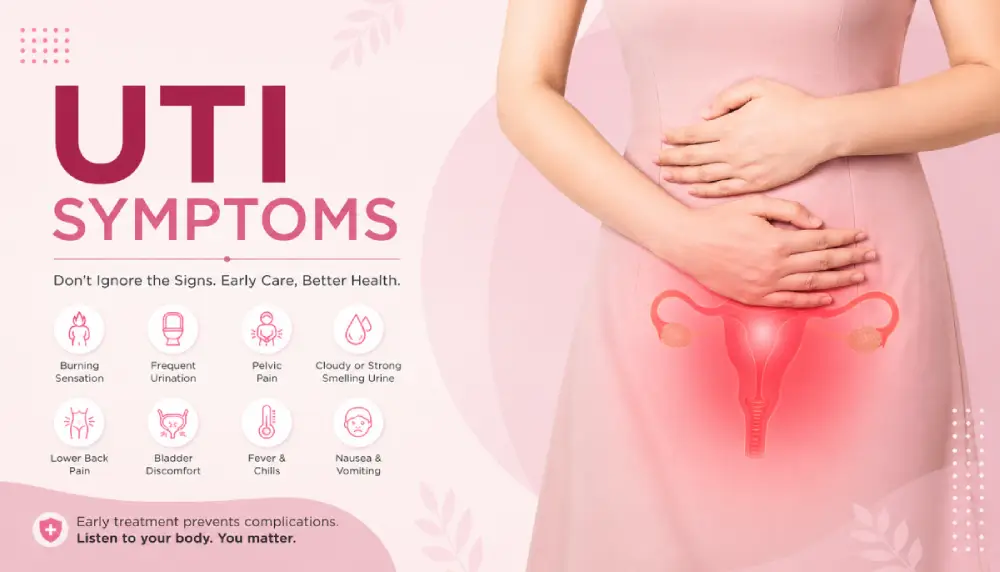
UTI Symptoms, Causes, Treatment and Prevention in Women
Learn the common symptoms, causes, treatment, and prevention tips for urinary tract infections (UTIs) in women. Know when to seek medical care and how to prevent recurrent UTIs.
PCOS Symptoms, Diet, Treatment and Fertility: A Complete Guide for Women
Learn about PCOS symptoms, causes, fertility issues, diet plans, and treatment options. Discover how lifestyle changes and expert care can help manage PCOS effectively.
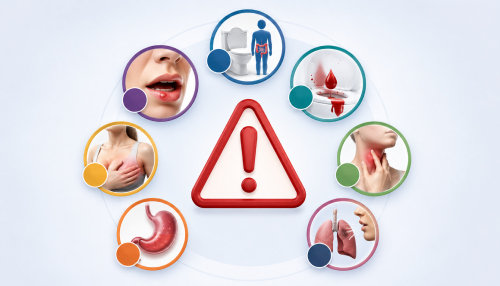
7 Cancer Warning Signs You Must Never Ignore
Learn the early warning signs of cancer, symptoms to watch for, and recommended cancer screenings for Indians. Early detection saves lives. Consult experts at SRM Prime Hospital.
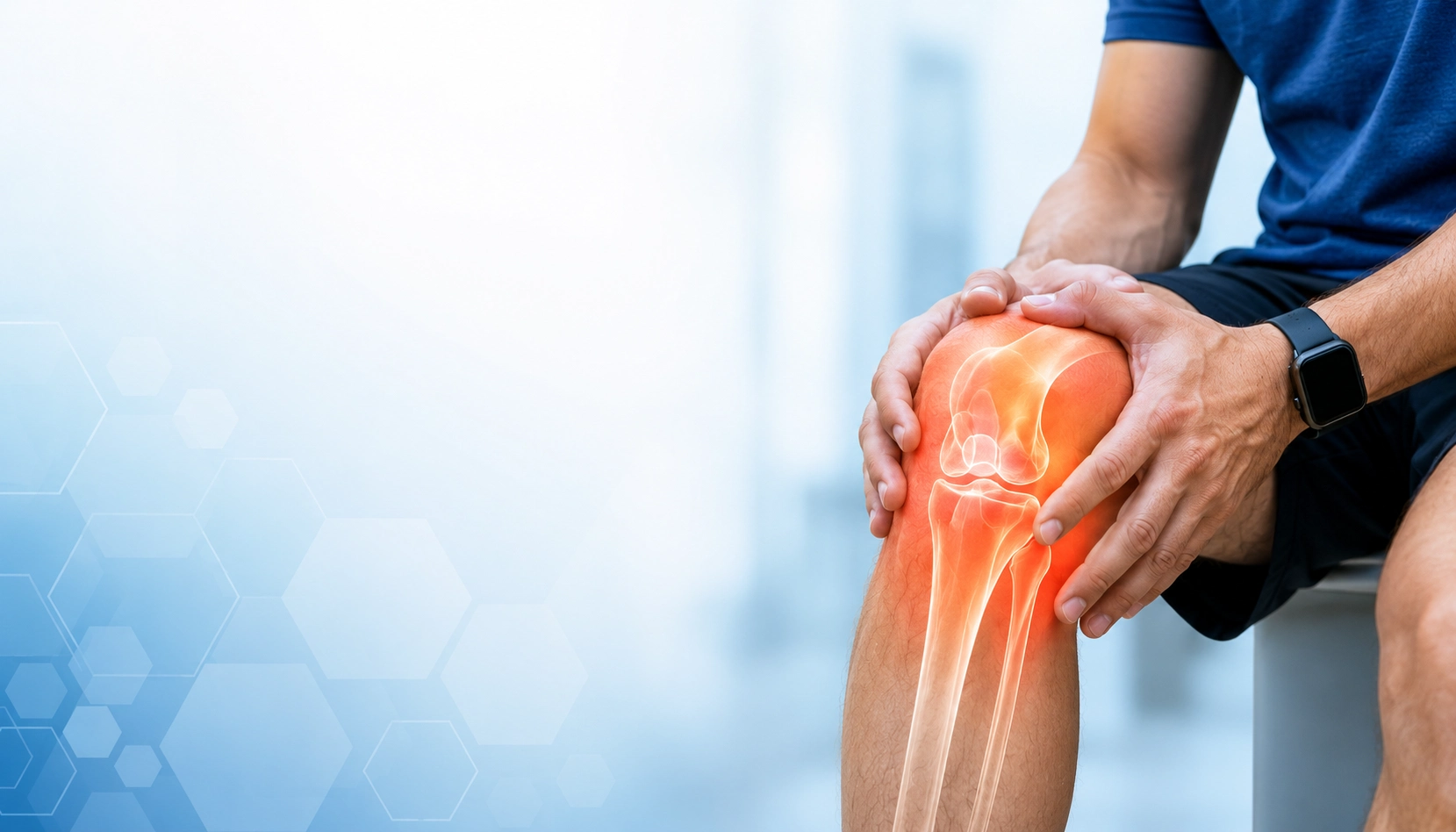
Joint Pain and Arthritis: Types, Symptoms and When to See a Doctor
Learn about the different types of arthritis, common joint pain symptoms, causes, and when to see a doctor. Explore expert orthopaedic and rheumatology care at SRM Prime Hospital.
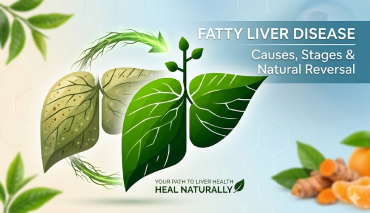
Fatty Liver Disease: Causes, Stages and How to Reverse It Naturally
Fatty liver often has no symptoms. Learn its causes, warning signs, stages, and proven lifestyle changes to reverse fatty liver naturally before it progresses.
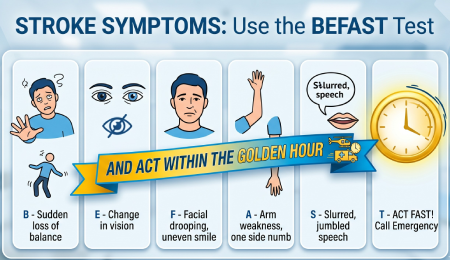
Stroke Symptoms: Use the BEFAST Test and Act Within the Golden Hour
Learn the early warning signs of stroke using the BEFAST test. Discover stroke symptoms, risk factors, mini-stroke (TIA) signs, and the importance of emergency treatment at SRM Prime Hospital for faster recovery and better outcomes.

Dermatology Treatment at SRM Prime Hospital for Chronic Skin Conditions
Explore advanced dermatology treatment for chronic skin conditions at SRM Prime Hospital. Expert care for psoriasis, eczema, acne, hair loss, pigmentation, and more with personalized treatment plans and modern technology.
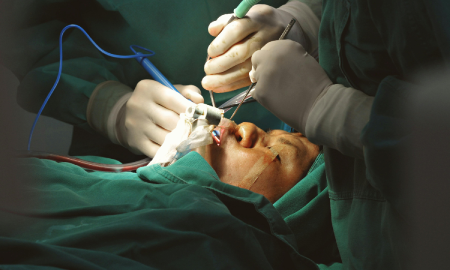
Sinus Surgery and Advanced ENT Care at SRM Prime Hospital
.webp)
Asthma Symptoms in Adults: Early Signs and Treatment Options
.webp)
Migraine vs Headache: Key Differences Explained
Understand migraine vs headache differences, including symptoms, triggers, and treatments. Learn how to identify migraines vs tension headaches and when to seek medical care.

Persistent Cough: When It Might Be More Than a Cold
Learn about persistent cough causes, including asthma, allergies, GERD, and infections. Discover when a cough lasting over 3 weeks needs medical attention and how early diagnosis helps prevent complications.
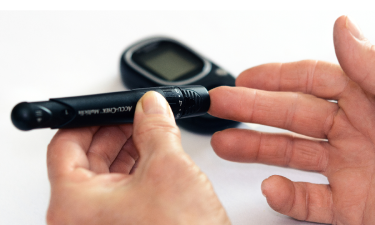
Early Signs of Diabetes You Should Not Ignore
.webp)
Breathlessness During Daily Activities: A Closer Look at Breathlessness Causes and When to Get Checked
Learn breathlessness causes and when shortness of breath needs medical attention. Identify warning signs early and seek timely care.
+(1).webp)
Childhood Vaccination Myths vs Medical Facts
Childhood vaccination explained with myths vs facts. Learn safety, benefits, risks, and why childhood vaccination protects your child’s health.
.webp)
Fever in Children: When Parents Should Worry
Learn when fever in children is normal and when it needs urgent care. Understand symptoms, warning signs, and when parents should worry.
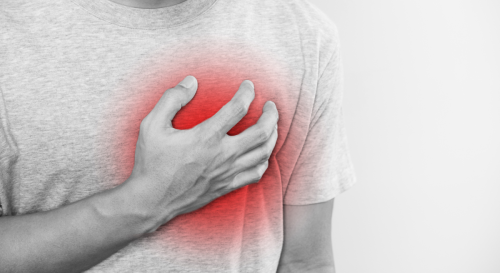
Silent Heart Attack Symptoms You Should Never Ignore
Learn the silent heart attack symptoms you should never ignore. Discover warning signs, causes, and when to seek immediate medical attention.
Why Preventive Health Checkup Is Important at Every Age
Learn why preventive health checkup is important at every age. Discover its benefits and how preventive health checkup supports lifelong wellness.