

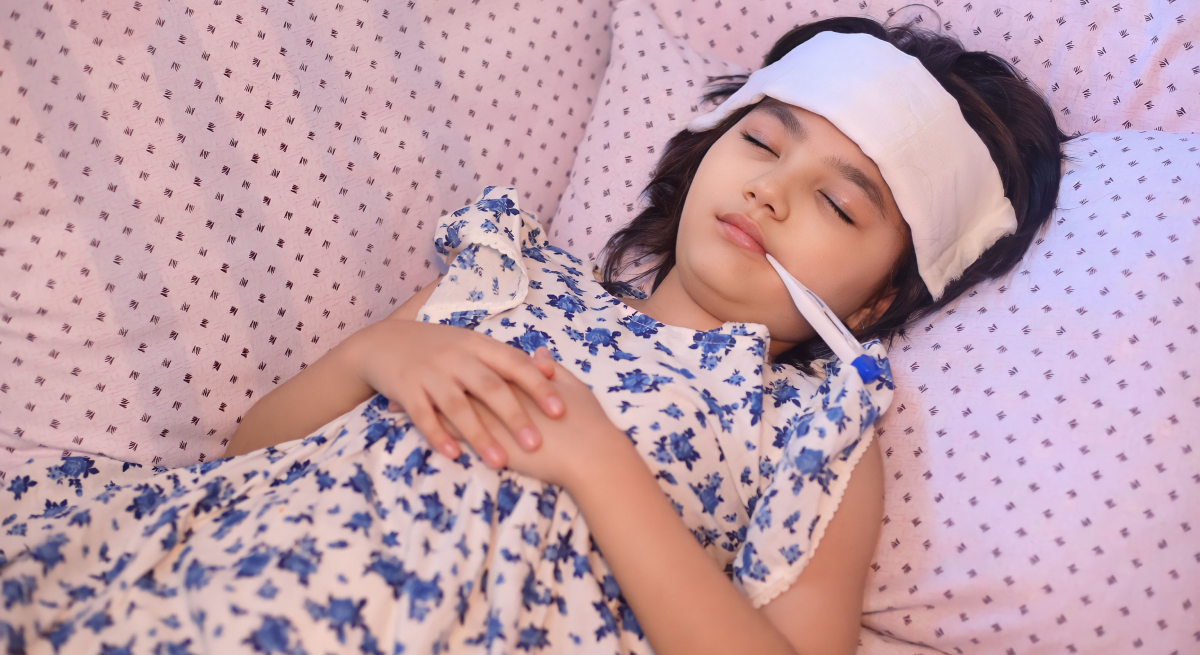
Fever in children is one of the most common reasons parents rush to the doctor. The moment the thermometer crosses 100°F, anxiety kicks in. Is it something serious? Should you give medicine right away? Do you need to visit the hospital? These questions are natural. While fever in children is often a sign that the body is fighting an infection, there are times when parents should pay closer attention. Understanding what is normal and what needs medical care can help you stay calm and make the right decision.
What Is Considered a Fever?
A fever is usually defined as a body temperature above 100.4°F (38°C). It is not an illness on its own. It is a symptom. In most cases, fever in children happens due to:
- Viral infections (like the common cold or flu)
- Bacterial infections
- Ear infections
- Throat infections
- Urinary infections
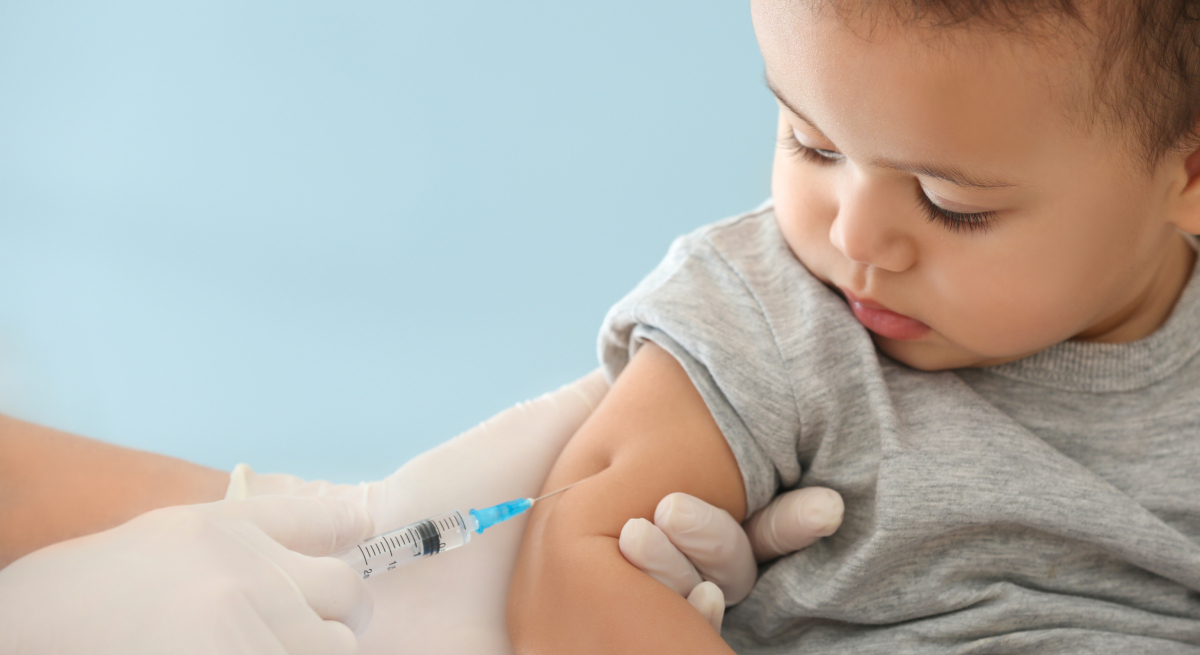
- Post-vaccination reactions
- Inflammation - Post injury/ stress response.
Doctors often explain that fever is the body’s natural defense system. It helps fight germs. So, the number on the thermometer is not always the main concern. The child’s overall behavior matters more.
When Fever in Children Is Usually Not Dangerous
In many cases, fever in children is mild and settles within 2–3 days. You may not need to panic if:
- Your child is active and playing
- They are drinking fluids normally
- They are responding when you talk to them
- The fever reduces with medication
- Child passing urine regularly.
Even temperatures up to 102–103°F can be common in viral infections. Pediatric experts often say that how the child looks and behaves is more important than the exact temperature reading.
Signs That Parents Should Worry
While most fevers are harmless, certain warning signs need medical attention. Fever in children becomes concerning when it is associated with:
Age Matters
- Below 3 months: Any fever above 100.4°F needs immediate medical care.
- 3–6 months: Fever above 101°F should be checked by a doctor.
Young babies have weaker immune systems. In them, fever can signal a serious infection.
High Fever That Persists
- Fever lasting more than 3 days
- Fever above 104°F
- Fever that keeps returning frequently
Persistent fever in children may indicate bacterial infections or other underlying conditions.
Unusual Behavior
- Extreme sleepiness or difficulty waking up
- Continuous crying confusion and irritability
- Reduced urination
- Refusal to eat or drink
- Breathing difficulty
Doctors often observe that behavioral changes are stronger indicators than the temperature itself.
Additional Symptoms to Watch
- Severe headache
- Stiff neck
- Rash that does not fade on pressing
- Repeated vomiting
- Seizures (febrile seizures)
- Dehydration (dry lips, no tears, reduced urination)
If any of these appear along with fever in children, medical help should not be delayed.
Understanding Febrile Seizures
One of the most frightening experiences for parents is seeing their child have a seizure during a fever. Febrile seizures can happen in children between 6 months and 5 years.
Though they look alarming, most febrile seizures are short and do not cause long-term damage. However, you should seek medical evaluation immediately after a seizure episode. Doctors usually check for the cause of fever and guide parents on prevention.
How to Manage Fever at Home
If your child has mild fever and is otherwise active, you can manage it at home with simple steps:
- Keep them well hydrated with water, ORS, soups, or breast milk
- Dress them in light clothing
- Allow adequate rest
- Use doctor-recommended fever medication in the correct dose
- Sponge with lukewarm water if needed
Avoid cold water baths or ice packs. They can make the child uncomfortable and cause shivering.
Medical professionals often remind parents that fever is not the enemy. Treat the child, not just the number on the thermometer.
When to Visit the Doctor Immediately
Seek urgent care if fever in children is associated with:
- Difficulty breathing
- Bluish lips
- Continuous vomiting
- Severe abdominal pain
- Stiff neck
- Non-stop crying in infants
- Signs of dehydration
- Fever in newborns
Timely medical assessment can prevent complications and provide peace of mind.
A Doctor’s Perspective on Fever in Children
Pediatric specialists often observe that most emergency visits for fever in children are due to fear rather than severity. In reality, viral infections are the most common cause and usually resolve with supportive care.
However, what differentiates a mild case from a serious one is:
- Age of the child
- Duration of fever
- Associated symptoms
- Child’s activity level
From a third-person medical viewpoint, careful observation at home combined with awareness of red flags helps parents avoid unnecessary panic while ensuring safety.
Frequently Asked Questions
1. How long does fever in children usually last?
Most viral fevers last 2–3 days. If fever continues beyond 3 days, medical consultation is advised.
2. Is 102°F fever dangerous?
Not always. If the child is active and drinking fluids, it may not be serious. Monitor symptoms along with temperature.
3. Should I wake my child to give fever medicine?
If the child is sleeping comfortably, it is usually not necessary. Rest helps recovery. However, follow your doctor’s advice.
4. Can teething cause fever?
Teething may cause a slight rise in temperature but not high fever. Persistent or high fever likely has another cause.
5. When should I worry about dehydration?
Watch for dry mouth, no tears while crying, sunken eyes, or reduced urination. These are warning signs.
Final Thoughts
Fever in children is common and often harmless. It is usually a sign that the body is fighting infection. Instead of focusing only on the temperature, observe your child’s overall behavior, hydration, and comfort.
Parents should worry when fever is persistent, very high, or accompanied by alarming symptoms. Trust your instincts. If something feels unusual, consult a doctor.
For expert pediatric evaluation and compassionate care, families can seek guidance from experienced specialists at SRM Prime Hospital, where timely assessment ensures children receive the right treatment at the right time.
Understanding fever calmly and confidently empowers parents to care better and worry less.