
1 in 4 heart attacks occurs without typical chest pain
Most people imagine a heart attack as sudden, dramatic chest pain that demands immediate attention. But that’s not always the case. Silent heart attack symptoms can appear mild, confusing, or even go unnoticed. Many people mistake them for acidity, fatigue, or muscle strain. The danger? You may not realize your heart has been affected until serious damage has already occurred. Understanding silent heart attack symptoms is not about fear, it's about awareness. When you know what to look for, you give yourself or your loved ones a better chance at timely care and recovery.
What Is a Silent Heart Attack?
A silent heart attack happens when blood flow to the part of the heart is blocked, but the symptoms are subtle or unusual. Unlike a typical heart attack, there may not be intense chest pain.
Many patients discover it later during routine ECG tests, Echo | Routine health checkup done for other reasons. By then, the heart muscle may already have suffered damage.
The word “silent” does not mean harmless. It simply means the warning signs were quiet.
Common Silent Heart Attack Symptoms
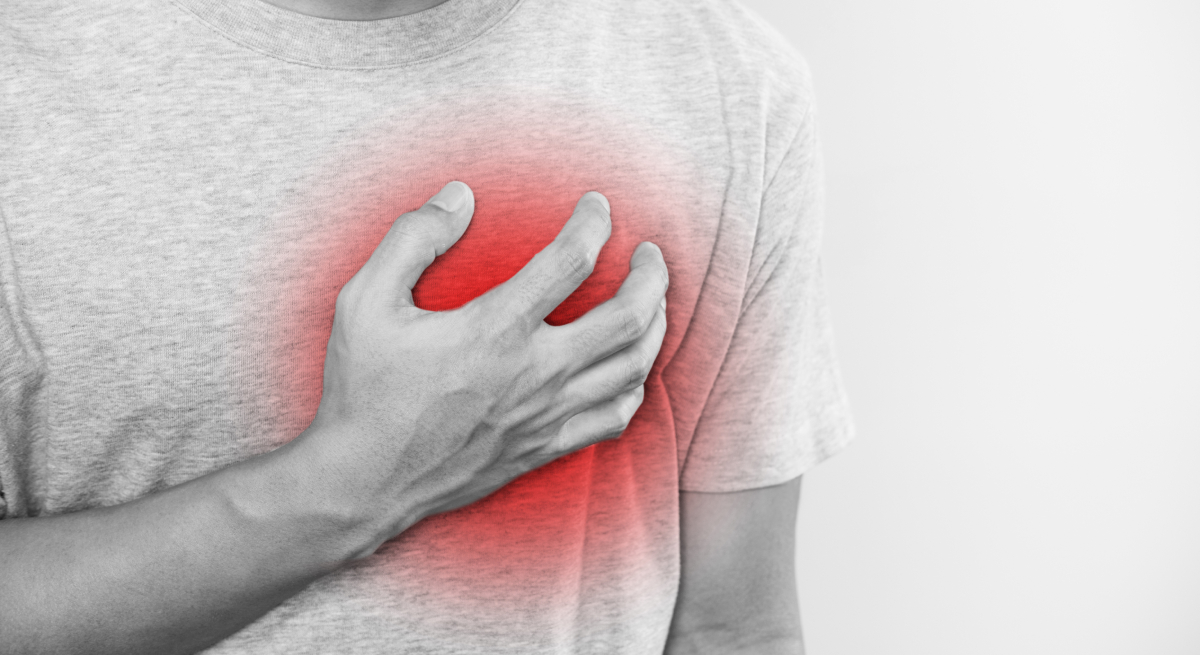
1. Mild Chest Discomfort
Instead of crushing pain, it may feel like:
- Tightness, Heaviness or Pressure
- A squeezing sensation
- Mild burning that feels like indigestion
Many people ignore this because it is not severe.
2. Shortness of Breath
You may feel breathless while walking, climbing stairs, or even resting. If this feeling is new or unexplained, it should not be dismissed.
3. Unusual Fatigue
One of the most overlooked silent heart attack symptoms is extreme tiredness. If someone who is usually active suddenly feels drained without reason, the heart may be struggling.
4. Nausea or Stomach Discomfort
Some people experience:
- Nausea
- Vomiting
- Upper abdominal heaviness
It can feel like gas trouble or food poisoning.
5. Pain in Other Areas
Discomfort may spread to:
- Jaw
- Neck
- Back
- Shoulders
- Arms (especially the left arm)
Because the pain is not centered in the chest, many do not connect it to the heart.
Why Silent Heart Attack Symptoms Are Often Ignored
Several reasons explain why people miss the warning signs:
- Symptoms are mild
- They appear gradually
- People assume it is stress or acidity
- Lack of awareness
- Fear of hospitals
In many cases, people continue their daily routine without realizing their heart is in danger.
Who Is at Higher Risk?
Silent heart attack symptoms are more common in certain groups:
- People with diabetes
- Older adults
- Individuals with high blood pressure
- Smokers
- Those with high cholesterol
- Women
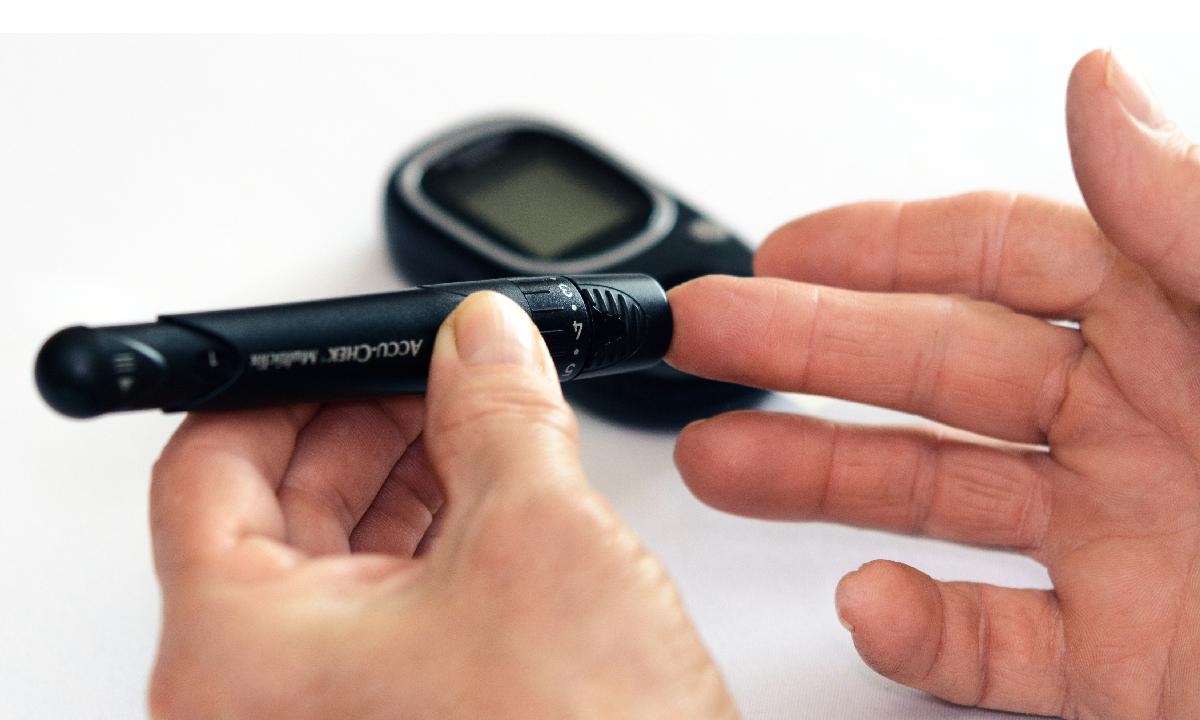
Diabetes is especially risky because nerve damage reduces pain sensation. So the heart suffers quietly.
Silent Heart Attack Symptoms in Women
Women often experience different warning signs compared to men.
Instead of severe chest pain, women may notice:
- Extreme fatigue
- Shortness of breath
- Sleep disturbances
- Back or jaw pain
- Nausea
Because these signs are not dramatic, they are often ignored or misdiagnosed.
When Should You Seek Medical Help?
Go to the nearest healthcare facility it symptoms last > 5mins:
You should not wait for “severe” pain. Seek immediate medical care if you notice:
- Sudden shortness of breath
- Unexplained sweating
- Persistent chest pressure | Heaviness
- Pain spreading to the jaw or arm
- Lightheadedness or dizziness
If symptoms last more than 5 minutes, do not delay.
Even if it turns out to be nothing serious, it is always better to check.
How Doctors Detect Silent Heart Attacks
Silent heart attack symptoms may pass unnoticed, but doctors can detect past damage through:
- ECG (Electrocardiogram)
- Blood tests (Troponin)
- Echocardiogram
- Coronary angiogram
Easy test prevents future major heart attacks
Regular health check-ups play a major role in identifying hidden risks early.
Prevention: Protecting Your Heart
You cannot always predict silent heart attack symptoms, but you can reduce your risk.
Healthy Habits That Matter
- Maintain a balanced diet
- Exercise at least 30 minutes daily
- Stop smoking
- Control blood pressure
- Manage blood sugar
- Reduce stress
- Annual heart health checkup after 40 (easier if diabetes)
Prevention is not about doing everything perfectly. It is about making consistent, realistic choices.
Why easy early detection matters
A silent heart attack can weaken the heart muscle. Over time, this may lead to:
- Heart failure
- Irregular heartbeat
- Increased risk of another heart attack
- Reduced exercise capacity
Many people only realize something was wrong after experiencing complications. That is why awareness of silent heart attack symptoms is not optional, it is essential.
A Unique Perspective: The “Busy Life” Trap
In today’s fast-paced world, people push through discomfort. Deadlines, responsibilities, and daily stress often come before personal health.
A person may think:
“I’ll rest later.”
“It’s just gas.”
“I don’t have time for a hospital visit.”
This mindset can be dangerous.
Heart health rarely shouts. It whispers first. Those whispers of mild fatigue, slight discomfort, shortness of breath are easy to overlook. But listening early can save years of life.
Frequently Asked Questions
Can a 1 in 4 heart attack happen without chest pain?
Yes. Many silent heart attack symptoms do not include severe chest pain. That is what makes them difficult to identify.
How long do silent heart attack symptoms last?
They may last a few minutes, come and go, or feel mild for hours. Because they are subtle, people often ignore them.
Are silent heart attacks common?
They are more common than most people think. Some studies suggest a significant number of heart attacks go unnoticed until later tests reveal them.
Can you survive a silent heart attack?
Yes, many people survive. However, if it goes damaged heart muscle can increase risk of heart failure & future heart attacks.
How can I confirm if I had one?
Only medical tests like an ECG, Echo | Cardiac MRI can confirm previous heart damage.
Final Thoughts
Silent heart attacks may not cause severe pain, but they can still damage heart muscle. The body often sends small signals before a major event. Ignoring them does not make them disappear.
If you or someone close to you notices unexplained fatigue, shortness of breath, chest pressure, or unusual discomfort, do not delay seeking medical advice.
Early testing – ECG & Echocardiogram can identify heart damage & help prevent future major heart attacks or heart failure.
Do not wait for severe pain. When symptoms are new/unusual, timely medical evaluation makes a significant difference.
“Your heart works for you every second. Listening to it easily can save your life.”